I Was the Guy Kicked Off ‘Taxi’ After the First Season
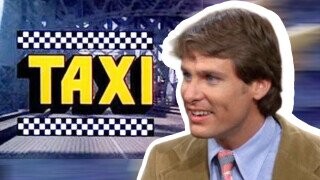
The moment John Burns stepped through the doors of the Sunshine Cab Company, his days were numbered. Things seemed good at the start; in the very first episode of Taxi, Burns, a country bumpkin who had just arrived in the big city, almost immediately got a job as a cabbie. But it was all downhill from there.
Throughout Season One, Burns appeared less and less, and in some episodes, he barely spoke at all. There were only two episodes that saw him lead the story: one in which he gets married to a woman he just met, and another focused around a dinner party with him, his new wife, Alex Reiger (Judd Hirsch) and Latka Gravas (Andy Kaufman). Beyond that, he was usually stuck playing seventh fiddle in a cast of seven.
It was little wonder then that when Taxi returned for Season Two, Burns was gone, never to be mentioned again.
Don't Miss
While Burns’ whereabouts in the Taxi universe remains unconfirmed, the actor who played him, Randall Carver, is doing just fine. He continued to act and appeared in shows like Malcolm in the Middle and movies like There Will Be Blood. He even got to play himself in the 1999 Andy Kaufman biopic Man on the Moon. And while he was saddened to get cut from Taxi after just one season, he still holds the gig close to his heart and was happy to share his short-lived memories as a cabbie with me.
How did you get the role on Taxi in the first place?
I was told I had an audition over at Paramount. I went over there and got the script and looked over it. I had a really good audition. I didn’t hear from them for a while, then they called me back and said they were interested. Finally, after three or four more calls, they said, “You’re it.” I auditioned over at NBC on the Tonight Show stage, right on Johnny Carson’s star.
Do you remember what they originally told you about your character?
They said he’d be the new guy in town, and he’d be learning. He was from out of town in the Midwest. I fell right into the character. They were going to explore a lot of stories about how a new guy from outside of New York could just come in and suddenly end up being a cab driver and all the complications that he would have trying to do that. But they didn’t really go that way once things started.
It did seem like, after the pilot, they weren’t quite sure what to do with your character.
Yeah, they had all East Coast writers. They should have picked some writers from the Midwest that would know what happens when you move to New York and you’re just trying to get around the city.
Of all the actors you worked with on the show, you probably interacted the most with Judd Hirsch. What was it like to work with him?
I was always excited to work with anybody on that show because everybody was really good. But I was especially excited to work with Judd Hirsch because of his background on Broadway and everything. I worked one way when I first started working on Taxi, then I started watching Judd Hirsch and following his example, not mimicking him, but I liked his approach to things. He was very professional, and there was no attitude. There was just the work.
I recently saw him and Danny DeVito perform The Sunshine Boys. My wife Shelley and I let them know we were in the audience, and they came out afterwards and said hi. We all talked for about a half hour just standing there. The same thing happened a few years ago — they were filming It’s Always Sunny in Philadelphia about two blocks from my house. I went up to the crew and told them to tell Danny that Randy Carver’s here. He dropped everything and came over and we conversed for a bit.
There were a few breakout characters from Taxi, but his was probably the biggest.
His and Reverend Jim. I remember when they got Christopher Lloyd to play Reverend Jim as a guest star — I thought, “Boy, they got a real one here. This guy’s not sober.” He had white foam in the corners of his mouth, and you could see the slobber coming from him. I thought, “Jiminy Christmas, they’ve got to get this guy. He’s incredible.” Little did I realize I’d be the one going out the door when he was walking in.
I’ve thought a lot about getting the boot from the show because that’s generally the kiss of death. For a guy to be on a hit series and then he leaves after the first season, there’s not much going to be heard from him ever again. I did a series called Six O’Clock Follies about Armed Forces Television in Vietnam. I was the third lead in that. That came from the casting director of Taxi who realized what a raw deal I got.
We shot four of those shows, and then they had a big party over at Warner Bros., with big screens lowered from the ceiling. There were probably 300 people there, and they were all celebrating because the show turned out great. Then the network feed comes on: “Ladies and gentlemen, we have an announcement to make.” They announced that we had lost eight men trying to rescue the hostages in Iran. Soon, I heard from somebody that we were canceled. It was the worst time to launch a show like that.
What was it like for you to appear in Man on the Moon with the rest of the Taxi cast so many years later?
It was wonderful. It was déjà vu all over again. When we walked onto the sound stage, they had recreated the Taxi garage. It was perfect. It was the exact size and everything. The stains on the wall, the cab there, Louie’s cage — all of it was spot-on.
Also, on the first day of shooting, Buffalo Bob from Howdy Doody passed away, and Jim Carrey led a procession as Andy Kaufman with a Howdy Doody doll, walking through the streets of Universal Studios.
Speaking of Man on the Moon, what did you think about Andy Kaufman?
I had met Andy long before Taxi. I went to see him at The Improv, and after the show, I made it a point to meet him. I introduced myself, and I had a couple of friends with me, so we took him over to this bar near The Improv. It was late at night, and he had chocolate ice cream with chocolate syrup and tons and tons of nuts on it, and more chocolate on top of that. He ate that at about 2:30 in the morning.
Were you there for the infamous day where he came in as Tony Clifton and security carried him off the lot?
Yes! It was great! Jeff Conaway and Tony Danza were pissed off about it, but I thought it was great. It all happened so oddly. We were there at the table reading, and Ed Weinberger, who was one of the executive producers, said they were going to have a fellow come in named Tony Clifton. He was a new actor, and Andy Kaufman wasn’t going to be there. He was going to do the part of Louie’s brother.
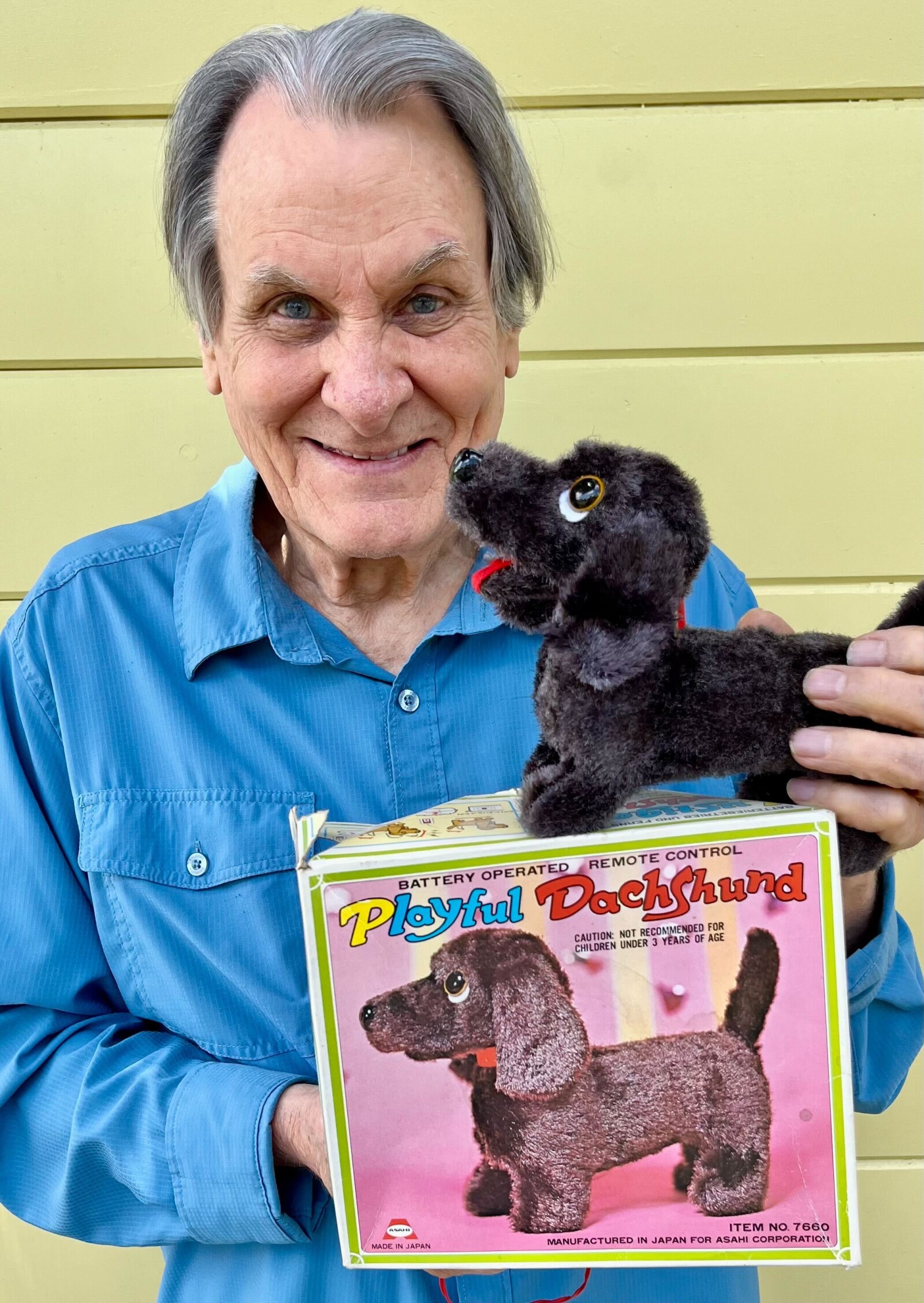
Tony Clifton came in, and we all knew it was Andy. He had this thick makeup on and this Vegas jacket and he was a horrible actor. He was flubbing his lines and wanting to make up lines and doing all kinds of stuff. We finished the first day and everybody left, but we came back the next day and he was even worse. He came in with three hookers, and he brought wrapped presents for all the major stars on Taxi. He gave us all these little mechanical dogs. I’ve still got mine. I just love his little face — it looks like Andy.
Didn’t somebody smash theirs?
Judd smashed his.
Is there anything else you’d like to say about the experience of making Taxi?
Well, I’ve said this before. I was the best of Taxi — the Pete Best.
