27 Deep Dives Into the Earliest Days of Filmmaking
Join us back in the 1800s, will you?
27 Deep Dives Into the Earliest Days of Filmmaking

Since every living person today was born into a world that included filmmaking, we probably all take it for granted. Well, except for some uncontacted Amazonian tribesmen. Could you imagine being there for that magical moment when pictures somehow began moving? Wed probably burn such a filmmaking wizard at the stake! 

Luckily, weve never had to live in fear of film. Well, other than horror movies. But we meant filmmaking in general, not a specific genre. You know what we mean.

Anyway, today, we’re gonna transport you back to the early days of movie witchcraft. Just watch out for the torch-wielding locals!

The First Use of Frame Tinting

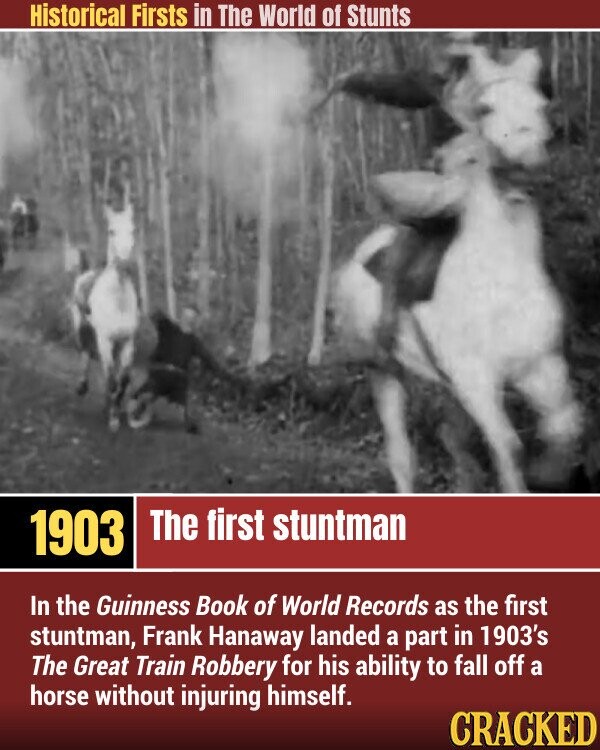
Historical Firsts in Practical Effects Frame tinting 1903 The Great Train Robbery would tint three frames of film red as a gun was fired, to give the blast a visual pop. This was later used by Hitchcock in 1945's Spellbound. CRACKED

Source

The First Glass Shot

Historical Firsts in Practical Effects 1907 The glass shot Known as Hollywood's first effects man, Norman О. Dawn shot real-life footage through painted settings on glass in 1907's Missions of California. This layering could place an in-studio actor on the edge of a cliff, like Chaplin in 1925's The Gold Rush. CRACKED

Source

The First Copyrighted Motion Picture

The first copyrighted motion picture. 1894 CRACKED.COM W.K. Dickson copyrighted Fred Ott's Sneeze, a 5-second film of Thomas Edison's assistant snorting some sketchy 1800's stimulant and then, spoiler alert, sneezing.

Source

The First Full-Length Stop-Motion Animation

Historical Firsts in Practical Effects The first full-length 1925 stop-motion animation Stop-motion pioneer Willis O'Brien developed several innovations for The Lost World that are still used today. Не created a technique that joined stop- motion and live-action onscreen at the same time. CRACKED

Source

The First Quantum Leap in Danger

Historical Firsts in The World of Stunts The first quantum 1920s leap in danger Buster Keaton's hilarious and life-threatening stunts raised the bar. In 1928's Steamboat Bill, Jr. a two- ton house falls as he stands precisely in its open window, and in 1924's Sherlock, Jr. a gush of water breaks his neck! Let's not forget 1926's The General. CRACKED

Source

The First Use of Green Screen

Historical Firsts in Practical Effects Hg1 Frank Williams: Grandfather 1916 of the green screen 5 Fig.2. 6 Williams' traveling matte system shot actors or vehicles against a black background and isolated them to be placed on other moving images. It could only work in black and white, but is a direct precursor of blue/green screen technology. CRACKED

Source

The First Use of Double Exposure

Historical Firsts in Practical Effects 1909 George Albert Smith patents double exposure Не built his own movie camera and used his newly patented double exposure technique to make a ghost for his 1909 short The Corsican Brothers. CRACKED

Source

The First Realistic Sword Fight

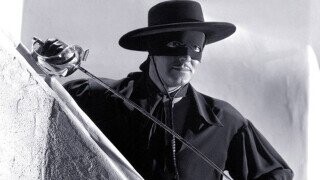
Historical Firsts in The World of Stunts The first realistic 1920 sword fighting In 1920's The Mark of Zorro, Douglas Fairbanks brought in a fencing master, creating the first realistic on-screen swordplay. Prior to this, films had primitive whacking, but this opened doors for the countless swashbuckling films to come. CRACKED

Source

The First Big Hollywood Star

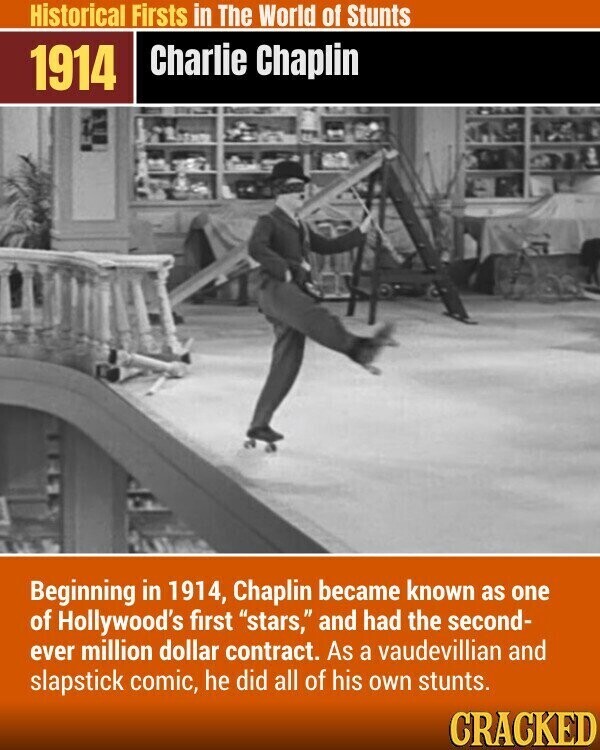
Historical Firsts in The World of Stunts Charlie Chaplin 1914 Beginning in 1914, Chaplin became known as one of Hollywood's first stars, and had the second- ever million dollar contract. As a vaudevillian and slapstick comic, he did all of his own stunts. CRACKED

Source

The First Use of Color Film

Historical Firsts in Practical Effects The earliest known 1902 color film footage British inventors Edward Turner and Frederick Lee produced color motion picture tests of Turner's children playing. Не died before perfecting it, but his work led to Kinemacolor in 1906 (the world's first motion picture in natural colors.) CRACKED

Source

The First Special Effect

Historical Firsts in Practical Effects The first-ever special effect 1895 Shot at Edison Labs in New Jersey, 1895's Execution of Mary, Queen of Scots was the first film to use a visual effect. They used stop- action for her beheading, and since no one had ever seen special effects, viewers thought they actually killed the actress. CRACKED

Source

The First Gunfight Scenes

IN THE EARLY DAYS OF CINEMA, REAL BULLETS WERE FIRED AT ACTORS. Before blanks, squibs, and special effects were invented, directors would hire sharpshooters to shoot over actors' heads during gunfight scenes. CRACKED.COM

Source

The First Oscar for Best Special Effects

Historical Firsts in Practical Effects The first Academy Award_ 1939 for Best Special Effects. The Rains Came won the first-ever special effects Oscar. Of its $2.5 million budget, $500k was used for flood and earthquake scenes. The effects took almost 50 days, requiring 350 laborers, 14 cameras, and 33 million gallons of water. CRACKED

20th Century Studios

Listverse

The First Use of the Schüfftan Process

Historical Firsts in Practical Effects Metropolis and the creation 1927 of the Schüfftan Process At $1.5 million (in 1927 dollars!), Fritz Lang's effects-driven Metropolis was the most expensive movie ever at the time. Eugen Schüfftan created an effect that projected actors into miniature sets that were too large or ornate to be created in full. CRACKED

Public Domain

MTV

The First Special Effect Screen Credit

Historical Firsts in Practical Effects The term. Special Effect 1926 gets its first screen credit In the 1920s, studios began dedicating entire departments to special effects, and the term Special Effect first appears in the credits of 1926's What Price Glory? CRACKED

Fox Film Corporation

FX Making Of

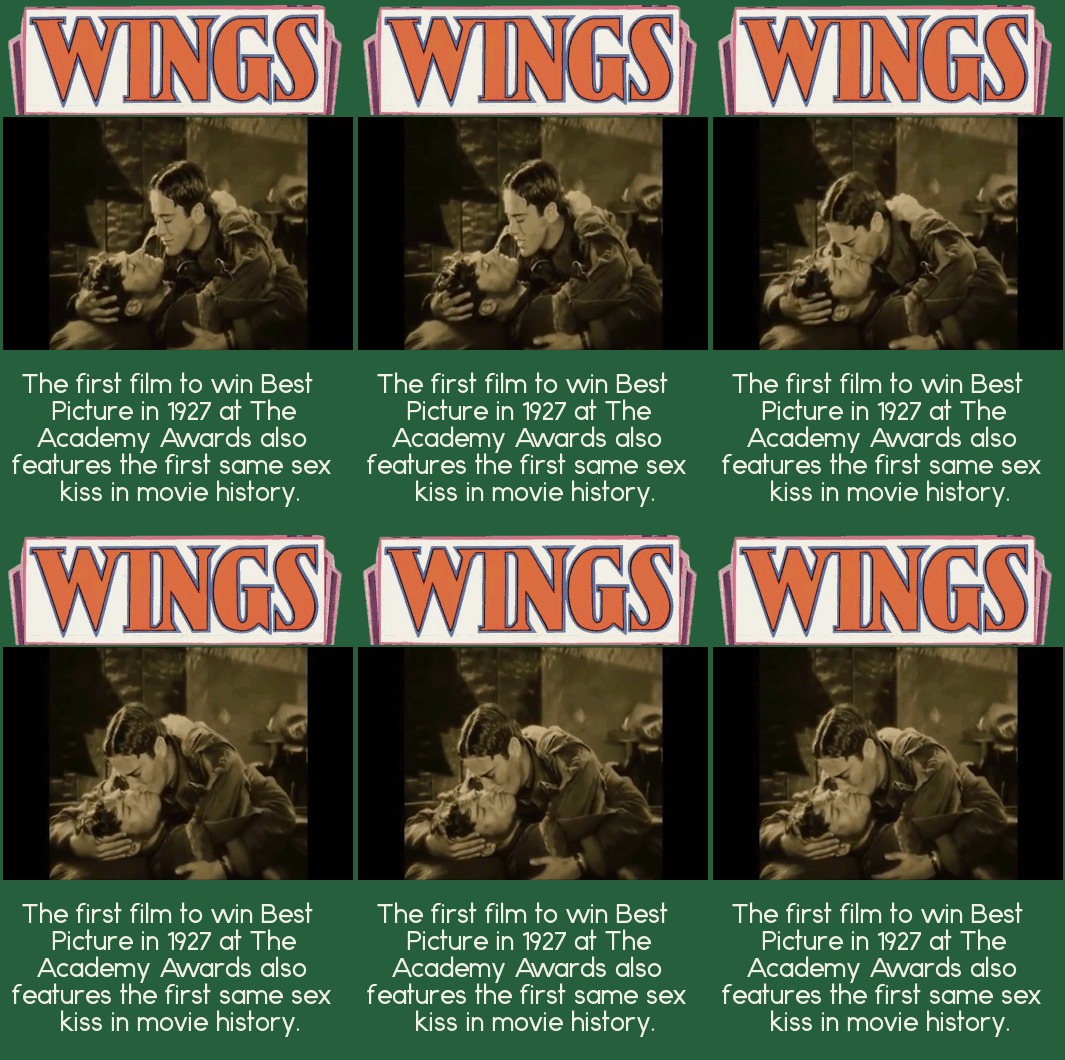
The First Oscar Winner

27 Deep Dives Into the Earliest Days of Filmmaking

Tags:

Scroll down for the next article
Forgot Password?