The Unfortunate History of 'Jingle Bells'

Readers, we regret to report that the classic Christmas carol “Jingle Bells” has been revealed to be problematic. Now, we know what you’re about to say: “Buzz off,” because you are a time traveler from the 1930s. “What could be so offensive about an innocent song like ‘Jingle Bells’?” First of all, have you seen the original lyrics of “Jingle Bells”? There’s all kinds of antisocial behavior in there, mostly womanizing and reckless driving. But we’re not here to talk about that. We’re here to talk about blackface.
No one is quite sure exactly when and where James Lord Pierpont wrote “Jingle Bells,” since he moved from Boston to Georgia around the time of its composition, but we can nail down its first performance with relative certainty. According to historian Kyna Hamill, “the earliest performance I could find is in a blackface minstrel hall in Boston, a hall called Ordway Hall, which was situated in the old Province House on Washington Street, in September 1857.”
Hold on, now. That doesn’t mean--
Don't Miss
“ was performed by someone named Johnny Pell,” Hamill continued, a “fairly well-known minstrel actor at the time.”
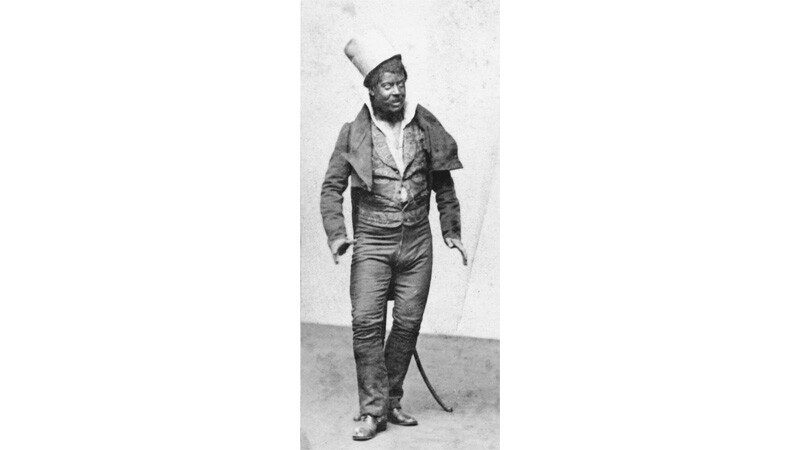
But that doesn’t mean Pierpont intended to--
“Pierpont capitalized on minstrel music,” Hamill also wrote, pointing out that “Jingle Bells” was little more than a Frankenstein of dozens of popular “sleighing songs” of the time period and Pierpont was only after a quick buck. In fact, the whole purpose of the song was to “satiriz black participation in northern activities,” with the “laughing all the way” bit meant to evoke one of Pell’s signature songs, “The Laughing .” It took decades for the song to shed its minstrel associations and be adopted as a Christmas carol. That’s right: It’s not even about Christmas.
Well. Balls.
But does that mean you can never again extol the virtues of riding in a one-horse open sleigh without committing a racism? No. Does that mean there’s anything wrong with choosing not to? Also no. But of course, Hamill received so much harassment that she had to go on the record that it’s okay to sing “Jingle Bells” and one New York school had to defend its decision to drop the song from its holiday concert, because as with everything concerning Christmas in America, no one can just be normal about this.
