60 Facts and Opinions About the ‘Gidget’ TV Show on Its 60th Anniversary
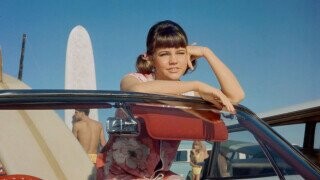
“Wait’ll you see my Gidget! You’ll want her for your valentine!”
So sing The Four Freshmen in the theme song for Gidget, the series adaptation of the film series, which premiered 60 years ago this week, and which you can still watch for free today.
But should you? These 60 anniversary facts and opinions should help you decide.
Gidget is a real person — and a surfer, like her fictional avatar, whose nickname was a portmanteau of “girl” and “midget” — whose government name is Kathy Kohner-Zuckerman.
Her father, Frederick Kohner, was a prolific screenwriter and Czech Jew who had moved to the U.S. after fleeing Europe ahead of World War II. He was the one who initially immortalized Kathy in his 1957 novel Gidget.
The Gidget universe encompasses several movies starting with, simply, Gidget, starring Sandra Dee. In addition to its theatrical and TV movie sequels, there have also been two comic books, a couple of board games and a stage musical, starring future Smash and Halston star Krysta Rodriguez and directed by Francis Ford Coppola.
The Gidget TV show marks the first screen credit for future Oscar winner Sally Field. (She previously played “Beatnik Girl In Lineup” in the movie Moon Pilot, but it was an uncredited role.)
Gidget — whose real name in the TV show is Frances Lawrence — is a 15-and-a-half-year-old who has just discovered surfing and is taking to it with a single-minded focus. Some shots of Gidget on her surfboard are clearly fake.

Others seem like they could possibly really be Sally Field doing her own stunts?

Maybe???
Gidget lives with her widowed father, Russell (Don Porter), an English professor at UCLA, who is given to quoting poetry and in one episode sends Gidget on a treasure hunt built on clues from Shakespeare verses. Apparently none of this was alienating for 1965 audiences, even in a show targeted toward teenagers.
They live in the WandaVision house.
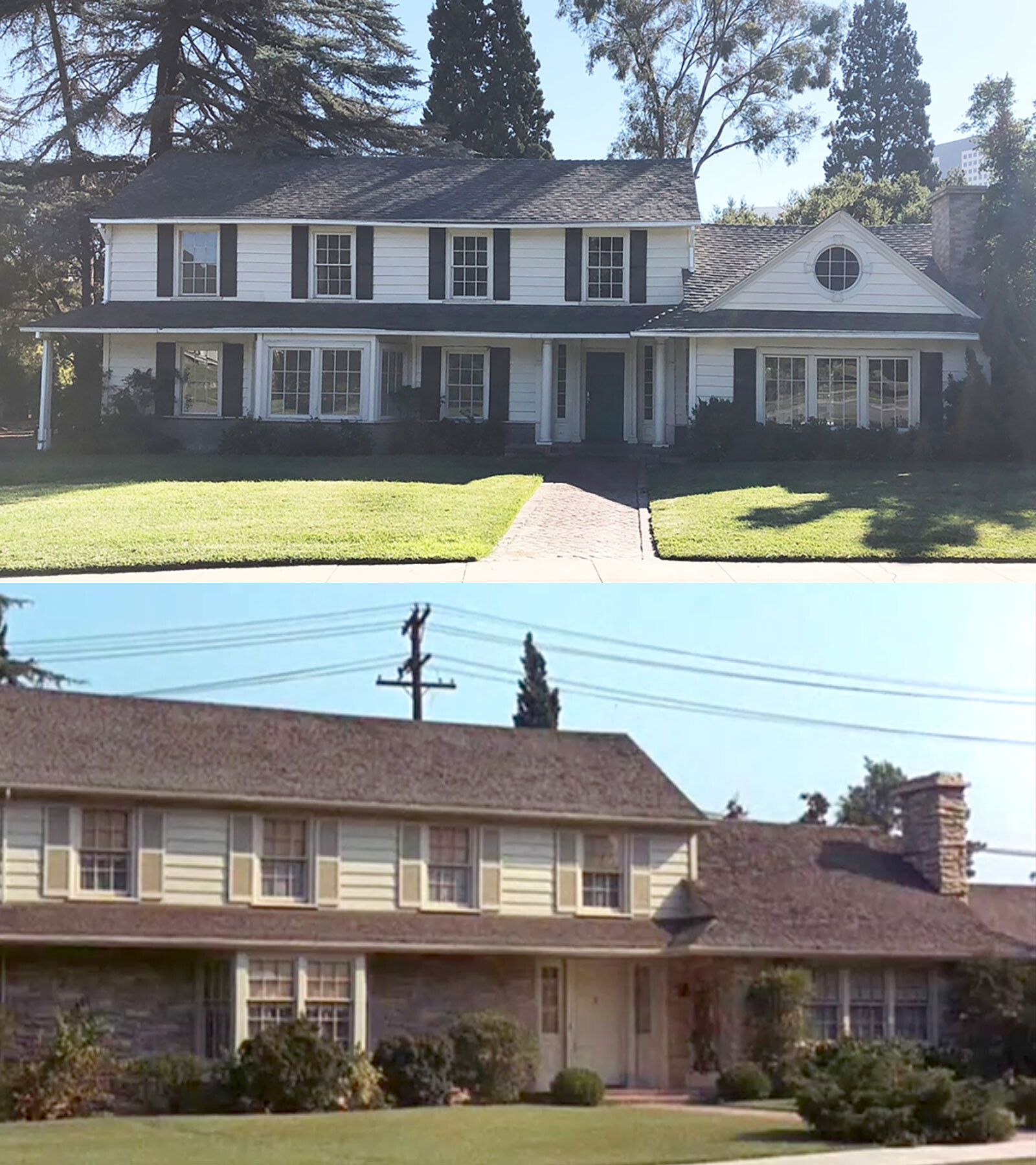
Don’t say “they’re not the same, the roof on the garage side is different” because they can change those for productions. This was also the house in The Middle minus a whole story.
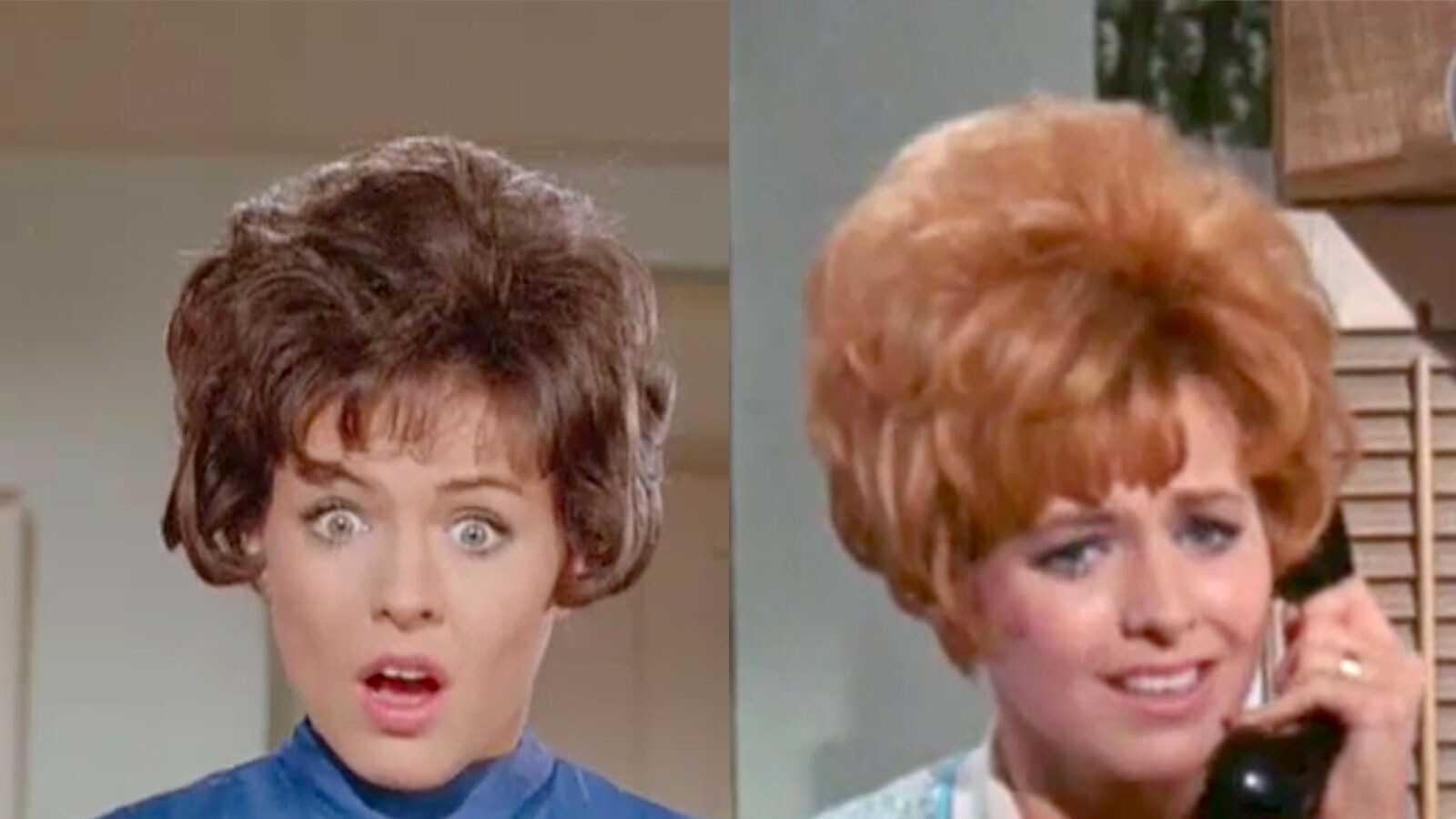
Gidget also has an older sister, Anne (Betty Conner). About a third of the way through the series, Anne’s hair gets MUCH taller and no one talks about it.
You can tell you’re never supposed to be on Anne’s side because she is often dressed in beige.
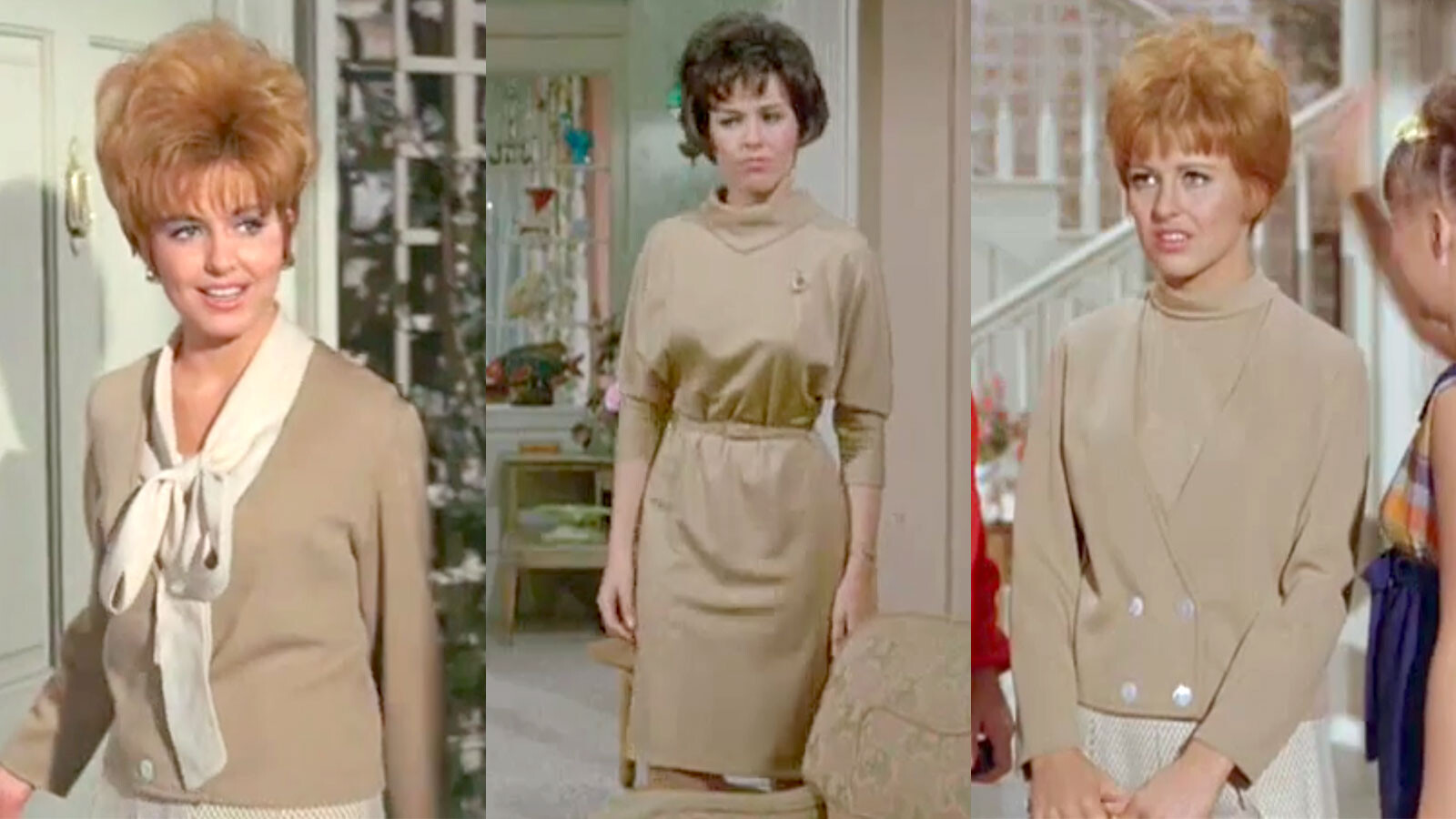
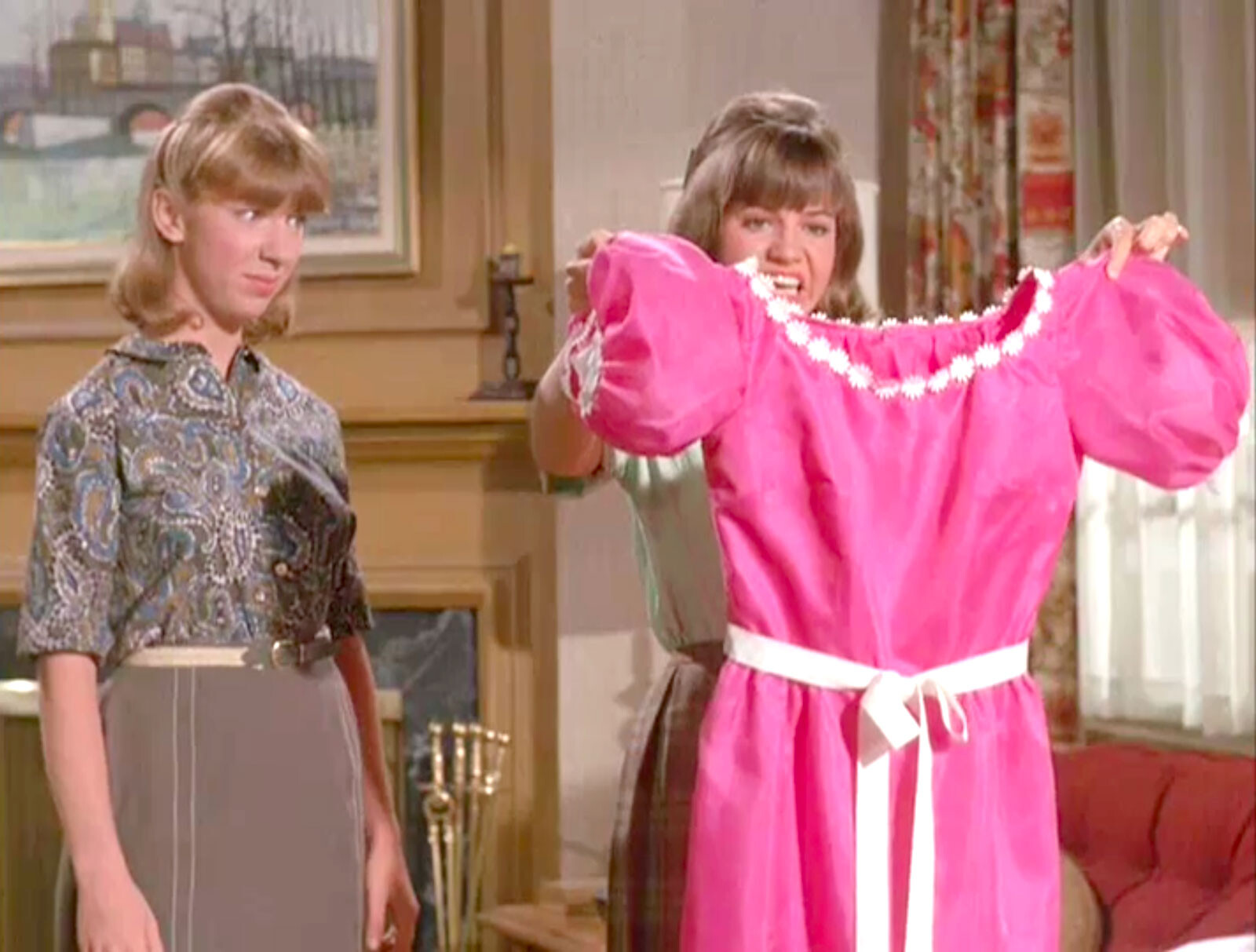
Anne is also clearly trying to dim Gidget’s shine out of jealousy: This formal dress she picks out for Gidget is an overtly aggressive choice.
Gidget’s brother-in-law John (Pete Duel) is a psychology grad student given to lecture people about their true motivations like a know-it-all, but one of the most 1965 things about the show is how other characters are constantly quoting pop psychology concepts — even this dingbat who entered the Lawrences’ lives because she’s an English student with a crush on Russell.
Considering there’s a psychologist in the family, one of the other most 1965 things about the show is how little anyone even gestures toward Gidget’s dead mother? Instead, we hear about Anne trying to promote herself into that status with Gidget, or that Russell is letting Gidget mother him by cooking for him and calling the police to find him when he stays out late on a date.
Gidget has done more than any person alive to promote beach fashion.

The A-plot of the series premiere revolves around Anne reading Gidget’s diary and how wrong it is; I don’t think you can have a teen show without one, so they were wise to get it out of the way as soon as possible.
The first episode also implies that Gidget may have had sex with her college-student boyfriend Jeff (Stephen Mines)! IMAGINE!!!
And that’s not all: Later, we meet an acquaintance of Gidget’s named Pokey (Heather North) and are explicitly told it’s not because she’s slow; “I hear you’re bringing new blood to the orgy” is how Pokey asks Gidget about her date to the class luau. So that’s Pokey.
Generally, the function of Gidget’s best friend Larue (Lynette Winter) is to be a sad sack who’s invisible to boys.
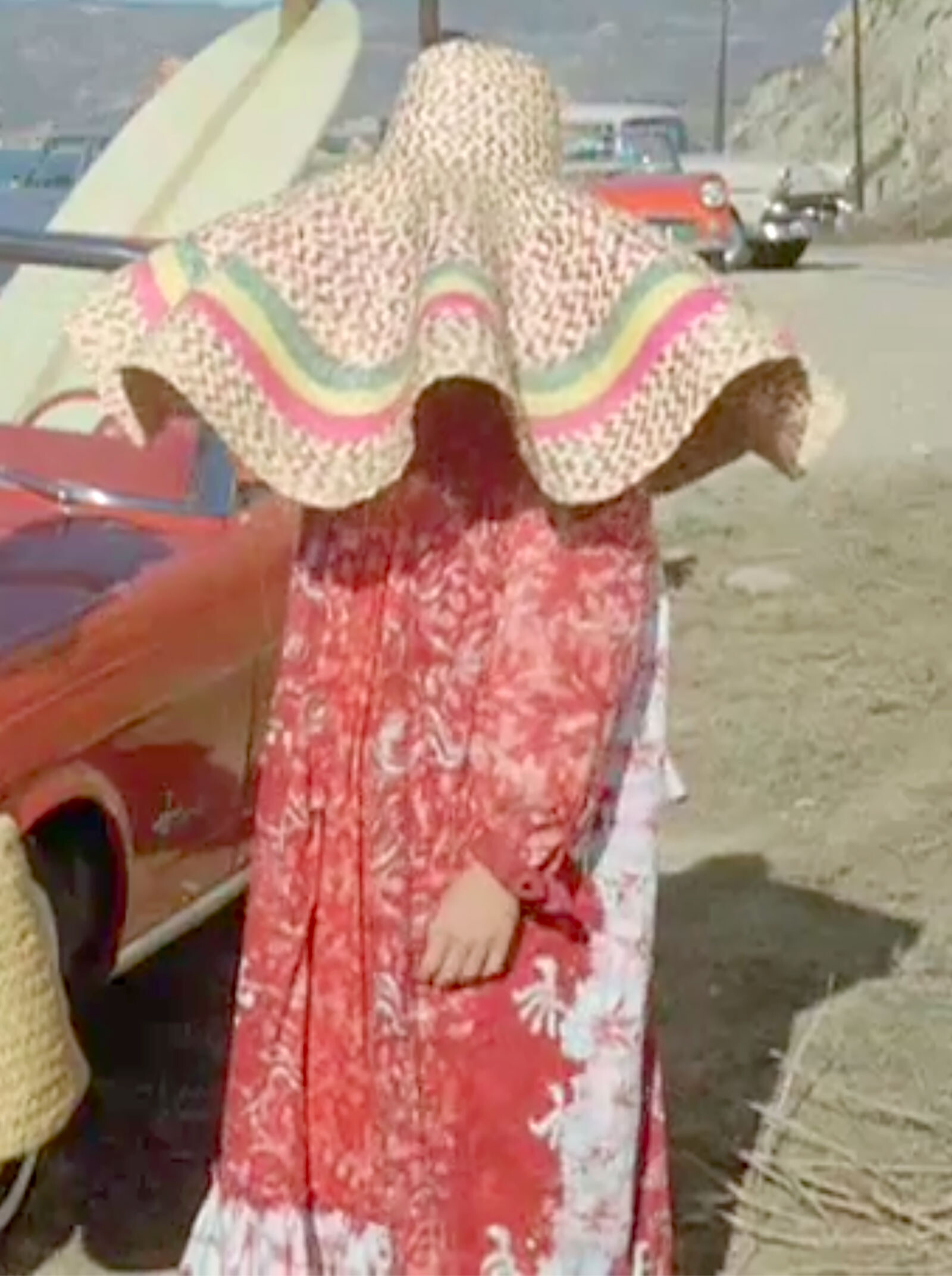
She’s also a skin health pioneer way ahead of her time.
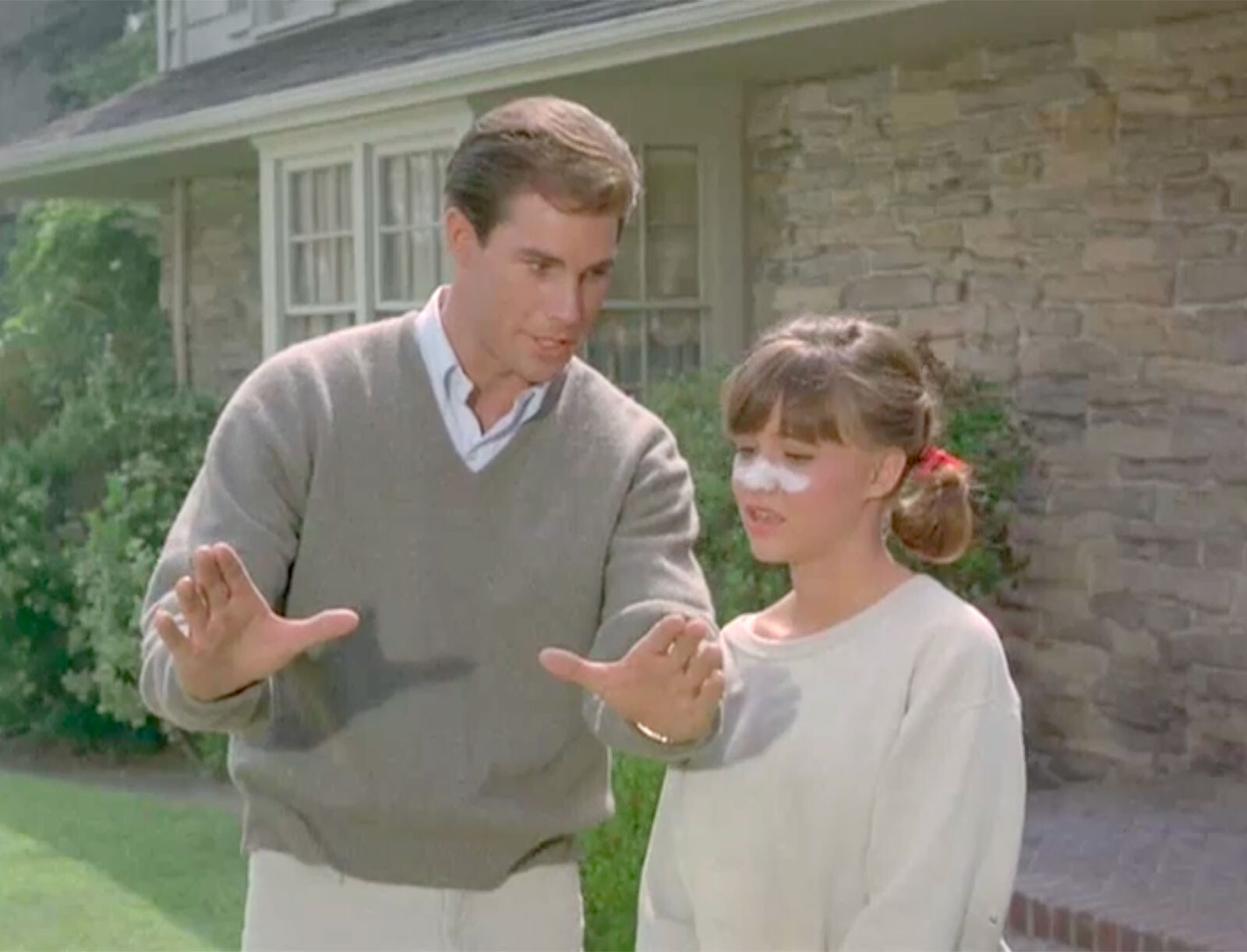
Gidget tries, but she isn’t on Larue’s level.
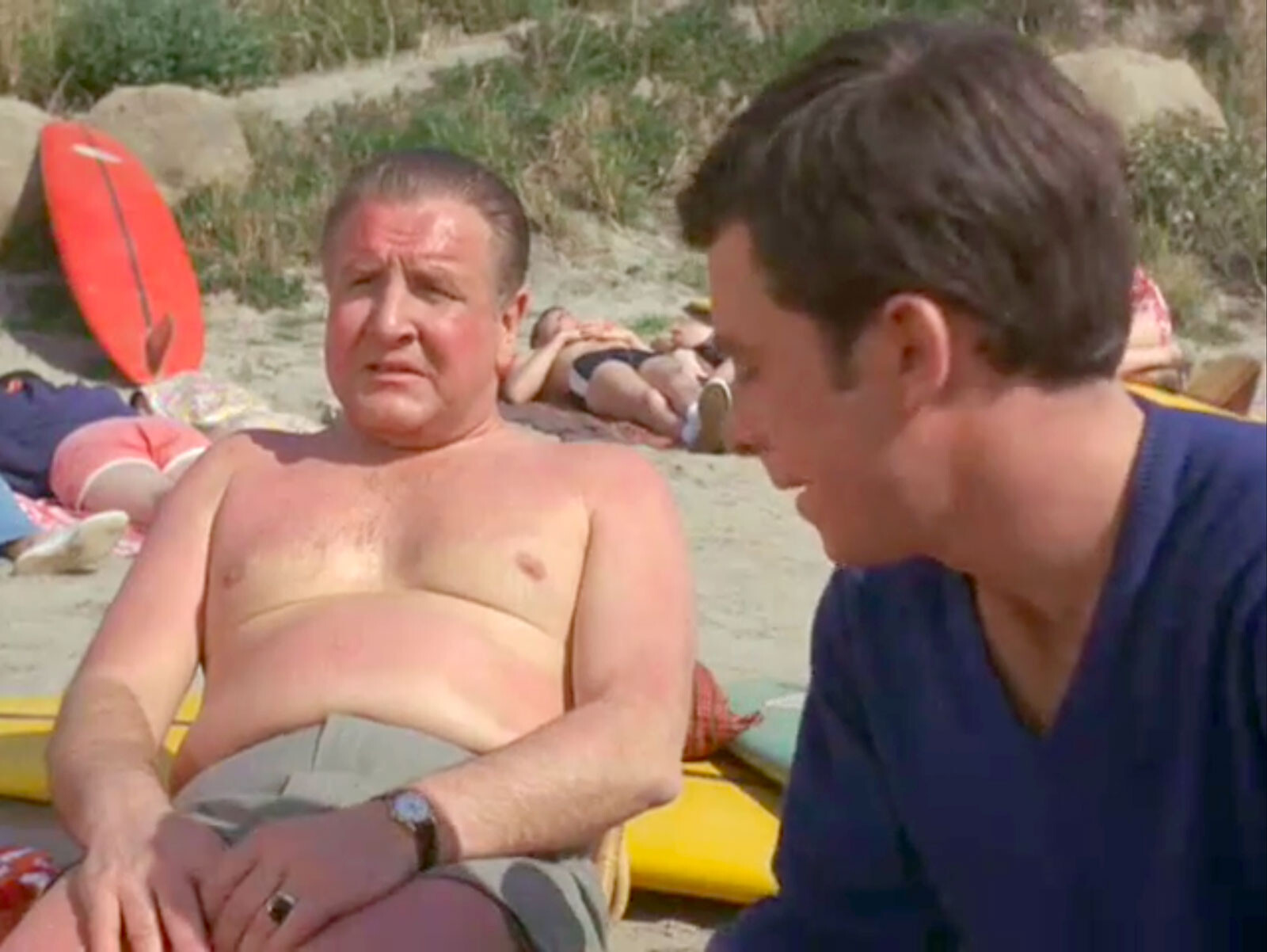
And we can’t even get into poor Mel (Herb Voland!)
The show never calls out that Gidget uses idle moments for bust exercises.
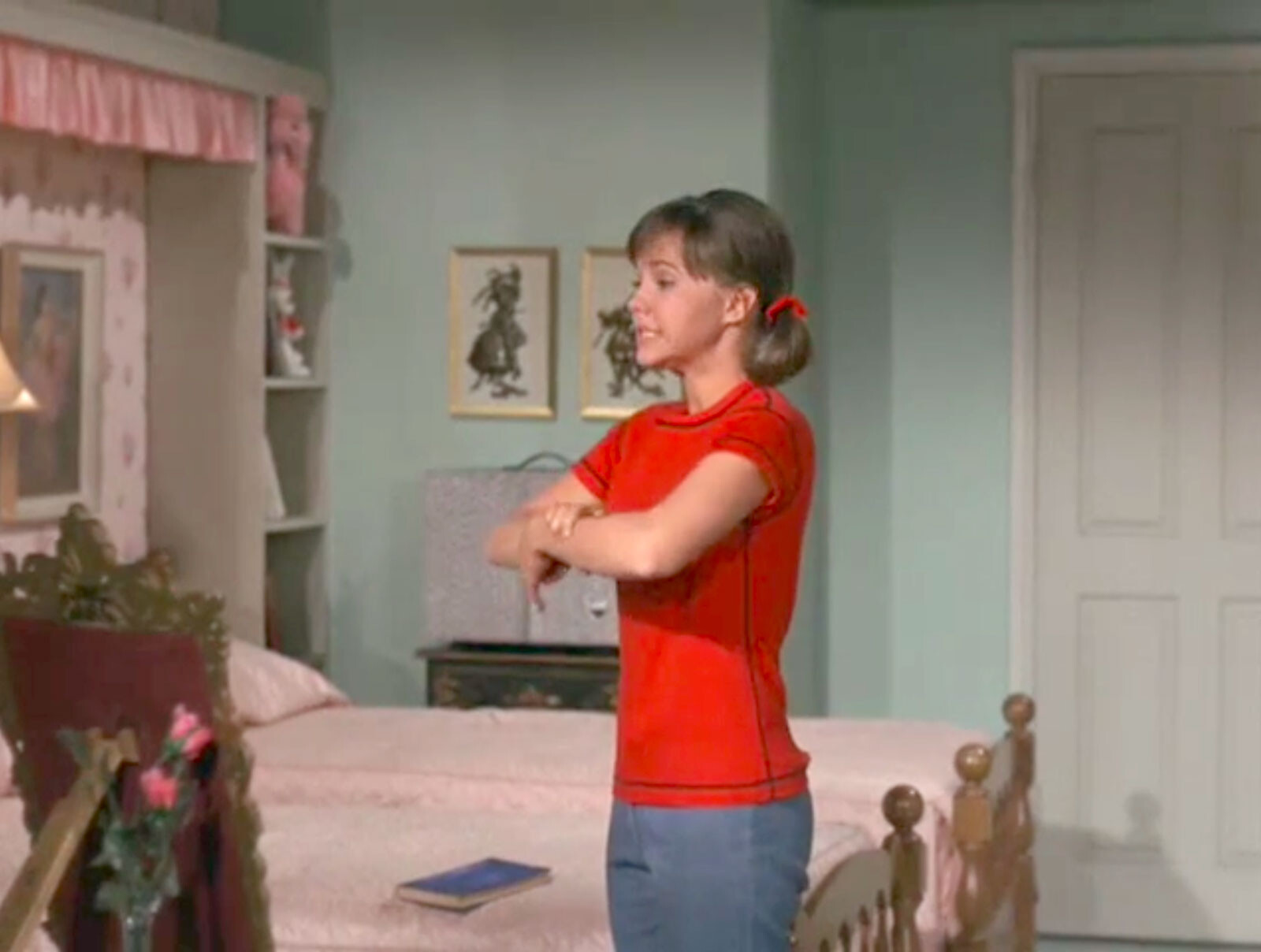
But anyone who read Are You There God? It’s Me, Margaret knows exactly what she’s doing.
Sometime between the series premiere and the second episode, Gidget’s bed undergoes mitosis.

Gidget and Pokey aren’t the only surf kids with kooky nicknames: There’s also Buff, Buzz, Cornbread, Jackass, Kahuna, King Mannix, Siddo and Tacky — and by the way, there’s no law that says you can’t do this in your friend group, too.
Generally, Gidget has a feminist heart and a clear sense of justice. But for every episode where she displays a nonconformist view — like when a one-episode love interest talks about giving up his itinerant surfing lifestyle for a house in Los Angeles and a job at an electronics factory and she’s turned off by his “creepy suburban dream” — there’s another where she and her female friends are basically pre-enacting The Rules to make the boys ask them on dates earlier than the day of.
Don’t get me started on the episode where Gidget wants to take auto shop so that she can repair the pink and green “hearse” she wants to buy and her father says the school shouldn’t let her do it.
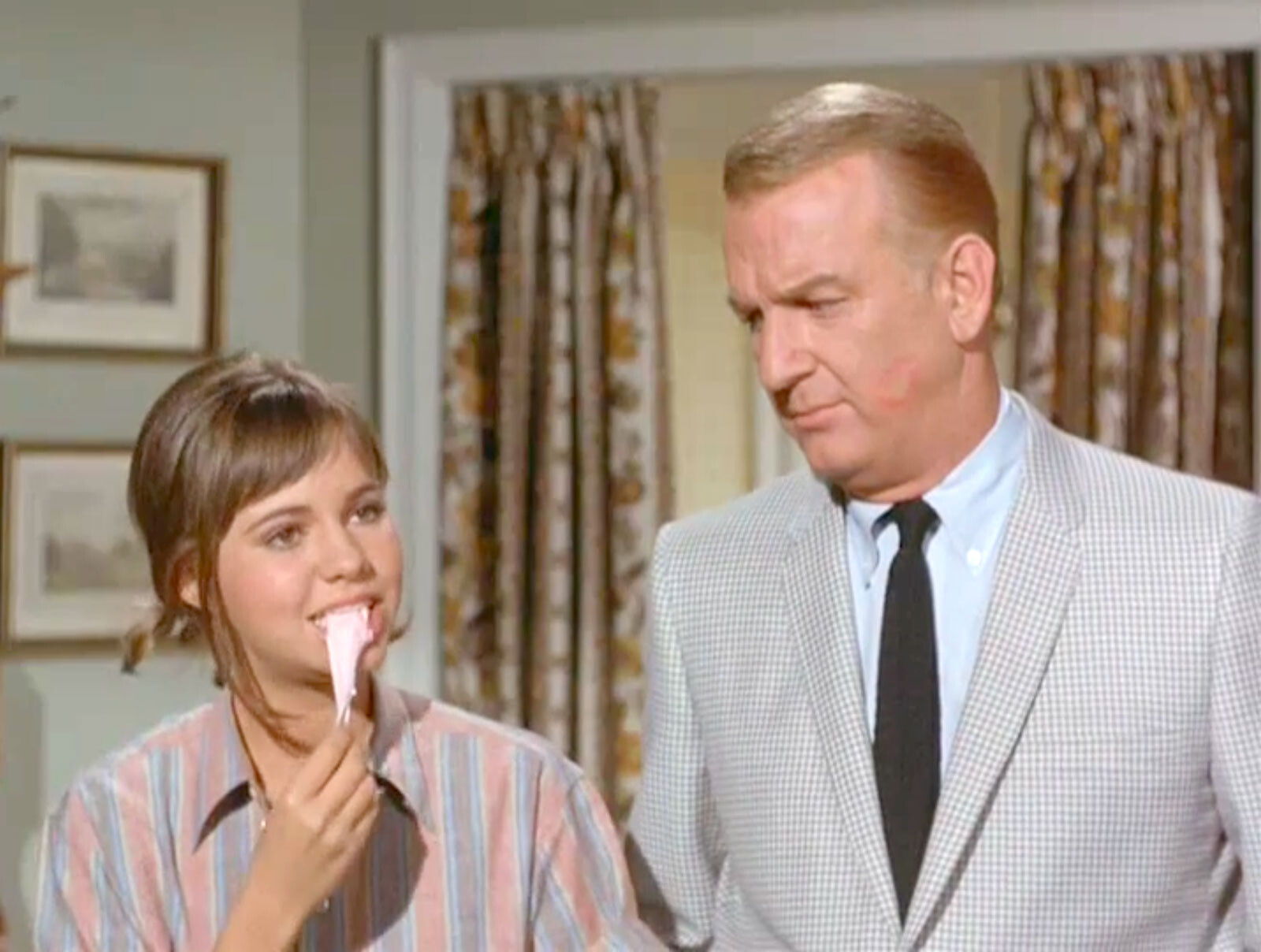
But usually Anne is the drip who’s trying to make Gidget act more “ladylike” — an insane goal when the most tomboyish Gidget ever looks is this.
E.W. Swackhamer directed eight episodes, more than anyone else. Among the 101 directing credits in his career, Swackhamer also directed Lookwell, the legendarily failed sitcom pilot. Before that, Swackhamer helmed the TV movie Terror at London Bridge, in which Jack The Ripper comes back to life and starts murdering people in Lake Havasu, Arizona, where the old London Bridge has been rebuilt as a tourist attraction, and David Hasselhoff plays the cop who has to stop him.
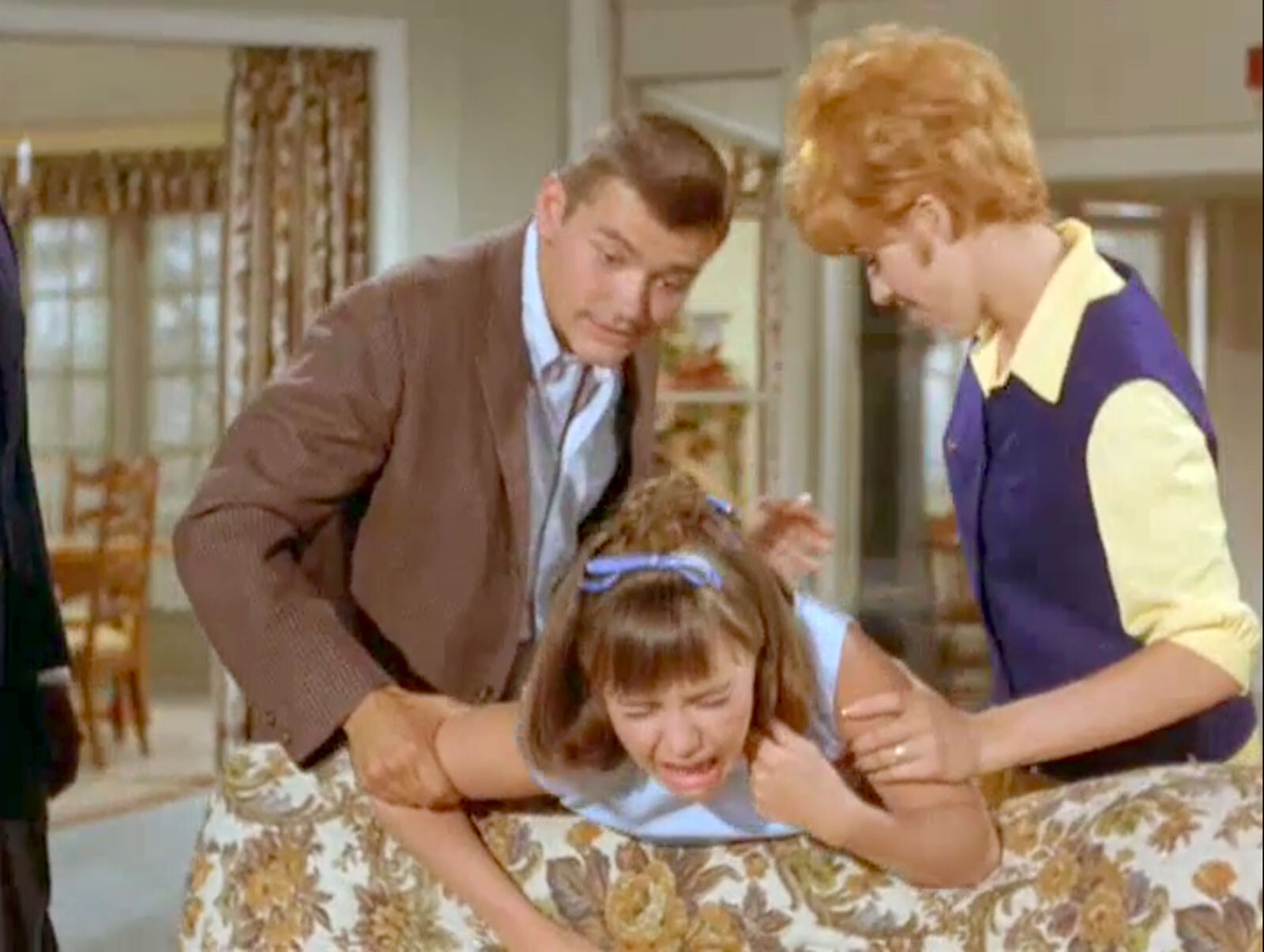
Apparently 1965 was a time when not only your parents might spank you but so might your sister and brother-in-law?
Despite the obvious glamor of the California surfing subculture — even filtered through what a broadcast network judges acceptable to air, you’ve got adorable outfits, fun slang, sun-kissed beaches and multiple twentysometing guys dropping out from society — Gidget is frequently stressed about measuring up to the norms of refined characters from “back east.”
Can she hold the interest of a Princeton student? Does Larue’s “smooth, sophisticated New Yorker” cousin think Gidget is “baked squash”? How can she get through a luncheon with Jeff’s parents?!
If only Truman Capote had been a little faster with “La Côte Basque, 1965” (despite the title, it was published in 1975) so Gidget could understand that even the highest-level socialites are absolute messes behind closed doors.
The first Black character to get lines on the show — in Episode Nine — is Irving, apparently a classmate of Gidget’s at Westside High School.
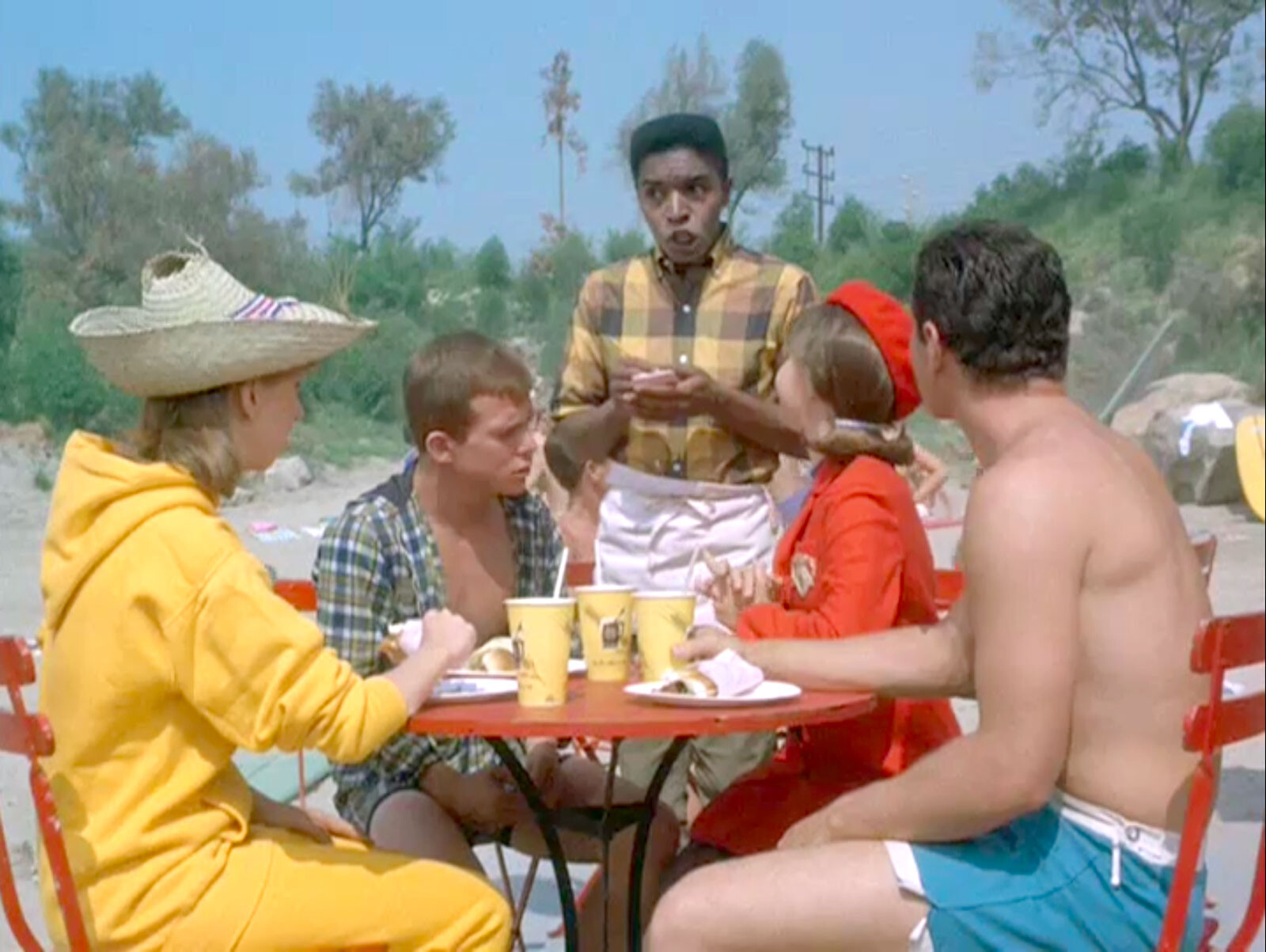
Irving is a waiter at the beach snack bar that even Larue sees fit to be imperious with. Irving is uncredited even though he’s in two scenes and gets a punchline. Gidget has decided to go along with a plan to send her to a prestigious school in Paris, and asks Irving, “Do you have frog’s legs?” “No, I’d say they’re more like bird’s legs,” he replies. “That’s why I couldn’t make the football team.”
Justice for this actor!
Gidget was doing fake movie titles way before Seinfeld.

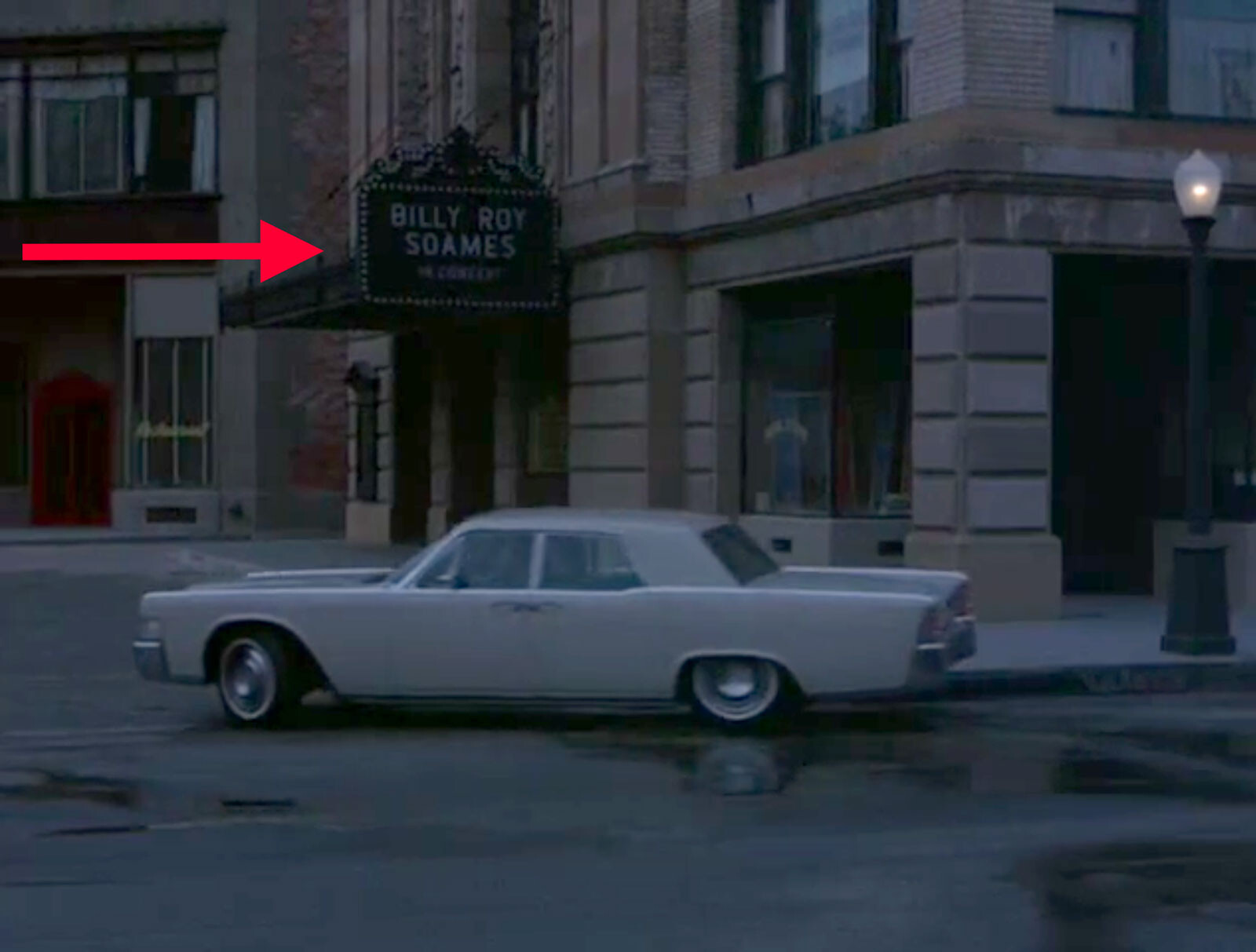
While the show can be progressive, as previously noted, the most hilariously tone-deaf episode has to be the tenth: “All the Best Diseases Are Taken.” Fired up by an album of protest songs by an artist called Billy Roy Soames, Gidget — president of the Civics Club because she ran unopposed — looks around for a cause to support and complains that there aren’t any. Soon, however, she finds one in the Spring Street Theater, which has hiked movie prices only for the early show on Saturday night because it’s the one all the kids go to.
Gidget’s strike on the theater makes news, at which point a higher-up in UCLA’s alumni organization dispatches someone to warn Russell to quell Gidget’s campaign before the unrest spreads to campus. When Russell reluctantly tries to talk to Gidget about it, he’s vague about the causes he supported when he was her age — you know, the second world war and the fight against Nazism — and tries to tell her what a wonderful world she’s growing up into. There is no mention that protests on campus might be about the Vietnam draft or the civil rights movement.
Gidget doesn’t back down and wins a moral victory: The theater raises its prices on all shows, so teenagers aren’t being discriminated against anymore. I guess the show’s position is that activism is pointless? Oh well, never mind: on to the episode where Gidget gives Larue a makeover!
One of the treatments Gidget tries on Larue involves peanut butter in her hair. Sounds like this isn’t something you necessarily want to try at home.
This is also the episode where Gidget starts going hard into comical misunderstandings. Larue wants her father to buy her an older horse. At the same time, Russell is very complimentary and encouraging about Larue’s new look. Hearing parts of conversations about Larue’s generosity about the horse’s age and John’s sighting of Russell driving Larue somewhere convinces everyone that they’re in love — and eventually even that Russell may have asked Larue’s father for her hand? She’s 16, and it’s weird.
Not only does Larue’s father buy her the horse: In the next episode we also learn that Larue has a Spanish-speaking housekeeper who’s still on the clock at nighttime. This explains why Larue also drives a candy-apple red Mustang: Larue’s family is loaded!
There are rival surf crews with matching uniforms!

The first Asian-American characters — in Episode 13 — are depicted arguing in Japanese.
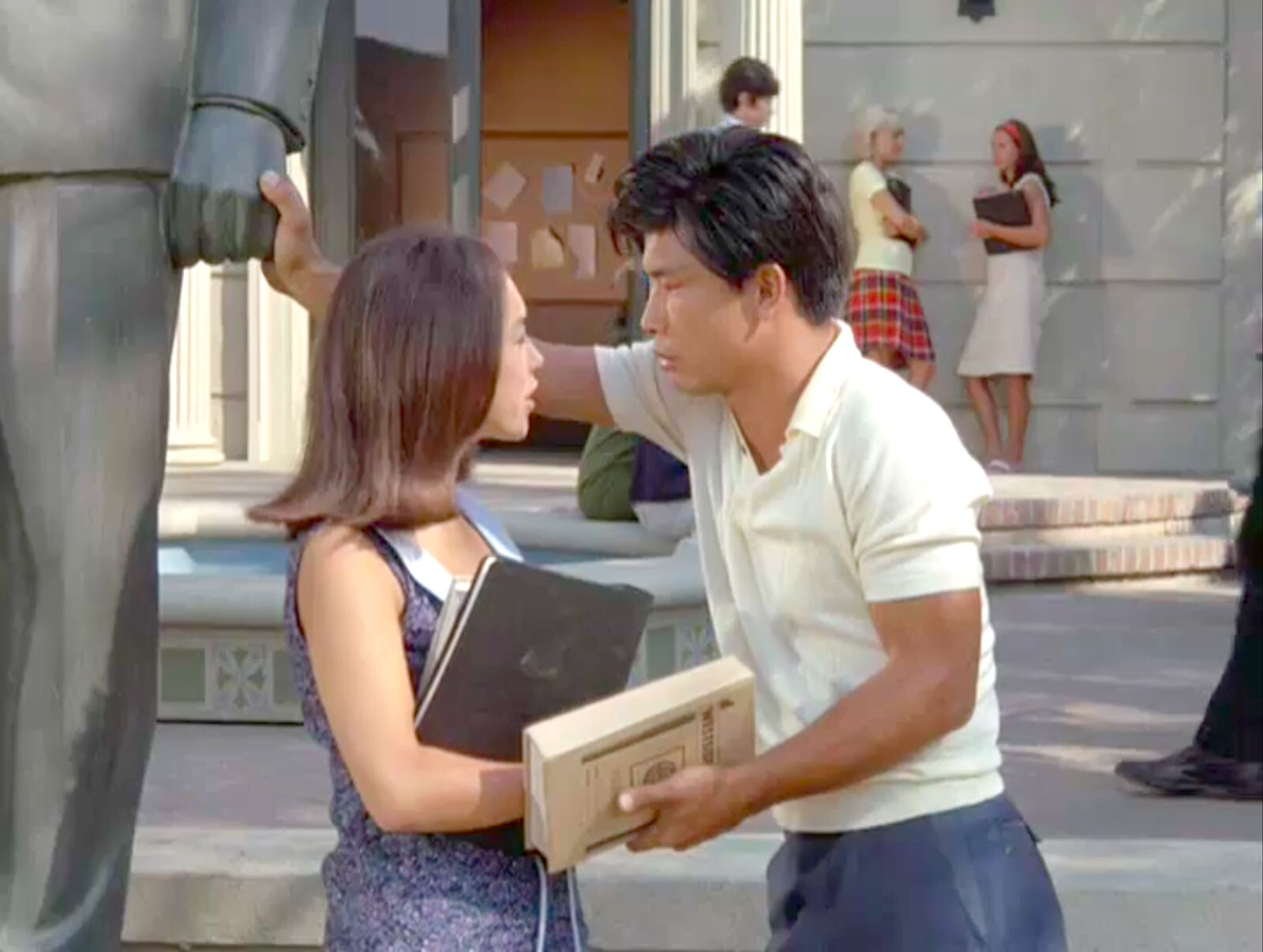
The fight isn’t subtitled, but the last word is “kamikaze” and ends on a stereotypically Asian-sounding music sting. Later, we see that Karen’s (Caroline Barrett) beach cover-up is a shortie kimono.
Choices were made that haven’t stood the test of time.
A setback lets us learn the components of Gidget’s “Heartbreak Special” sandwich: “Cheese, tongue, peanut butter, spaghetti, pumpernickel on the bottom, angel food on the top.” I’m not on board with most of that, but using a slice of angel food cake as bread is inspired.
One of IMDb users’ top-rated episodes, “Like Voodoo,” features Zangara (Jeanne Gerson), who’s parked her trailer on the beach and stolen Gidget’s surfboard to sell it; there’s really no question about ownership in that the surfboard’s design includes Gidget’s name. When Larue and Gidget take the board back, Zangara curses them, and bad luck follows Gidget for the rest of the episode.

Kind of rough to go out for a role like this and try to feel excited when you get it, I imagine?
One of the slapstick bad luck moments involves a cat finding its way onto Anne and John’s new washing machine and getting fully FLUNG off by Pete Duel as John in an era when I’m sure it would never occur to anyone to have anyone from the Humane Society on set to monitor animal actors’ safety. I assume this cat landed on its feet, but: bad episode for both the Roma and feline communities.
Representation of guys from Bensonhurst takes a hit in “Ego a Go Go.” Chuck (Ed Griffith) is a football player taking remedial English from Russell so that he can maintain his eligibility; he believes Russell’s daughter and her friend are named “Gadget” and “Leroy,” but at least he can lift a chair on one hand!
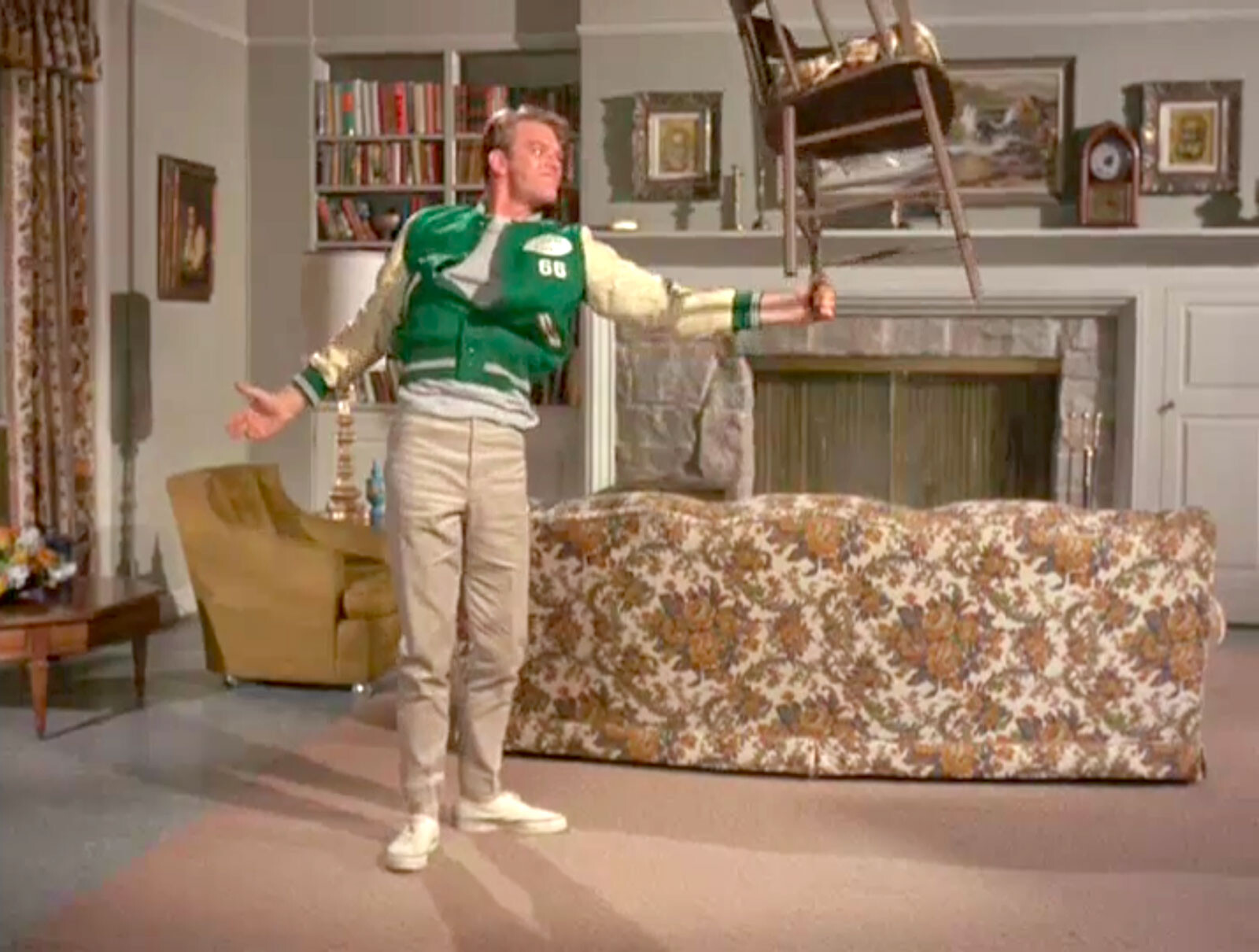
They had callbacks in the era before you could record a TV episode and watch it at your convenience?!
The Playboy Club may or may not exist in the Gidget universe.

What we know for sure is that there is a Tomcat Club that’s just ethical enough not to hire 15-and-a-half-year-old Gidget when she hears another surfer girl bragging about her tips.
“Lolita was only 12.” Jesus, John!
You might be alarmed that on her first driving lesson with Russell, neither he nor Gidget is wearing a seatbelt.
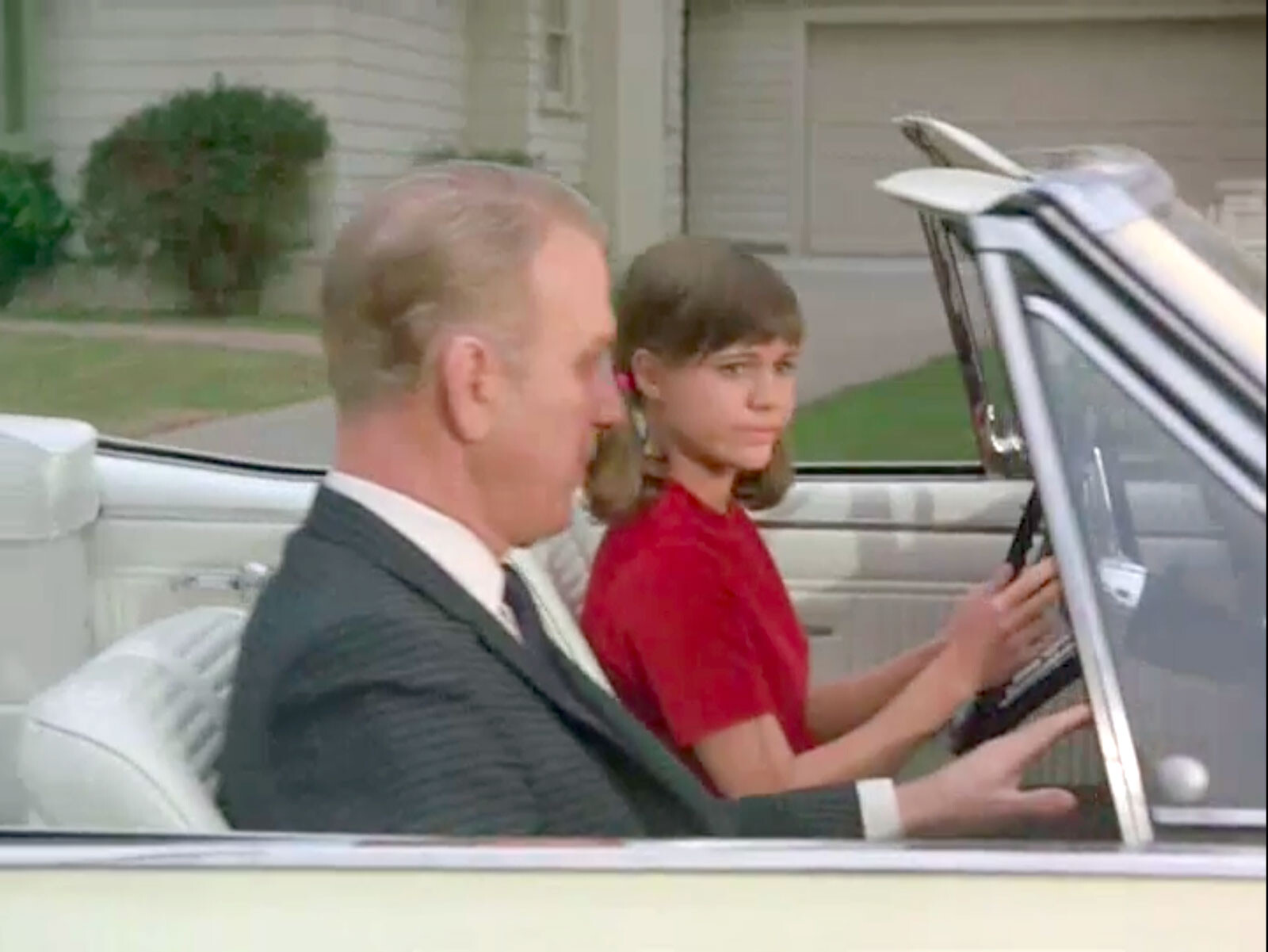
Then you look closer and realize the car may not have seatbelts.
It doesn’t matter how this king got here.
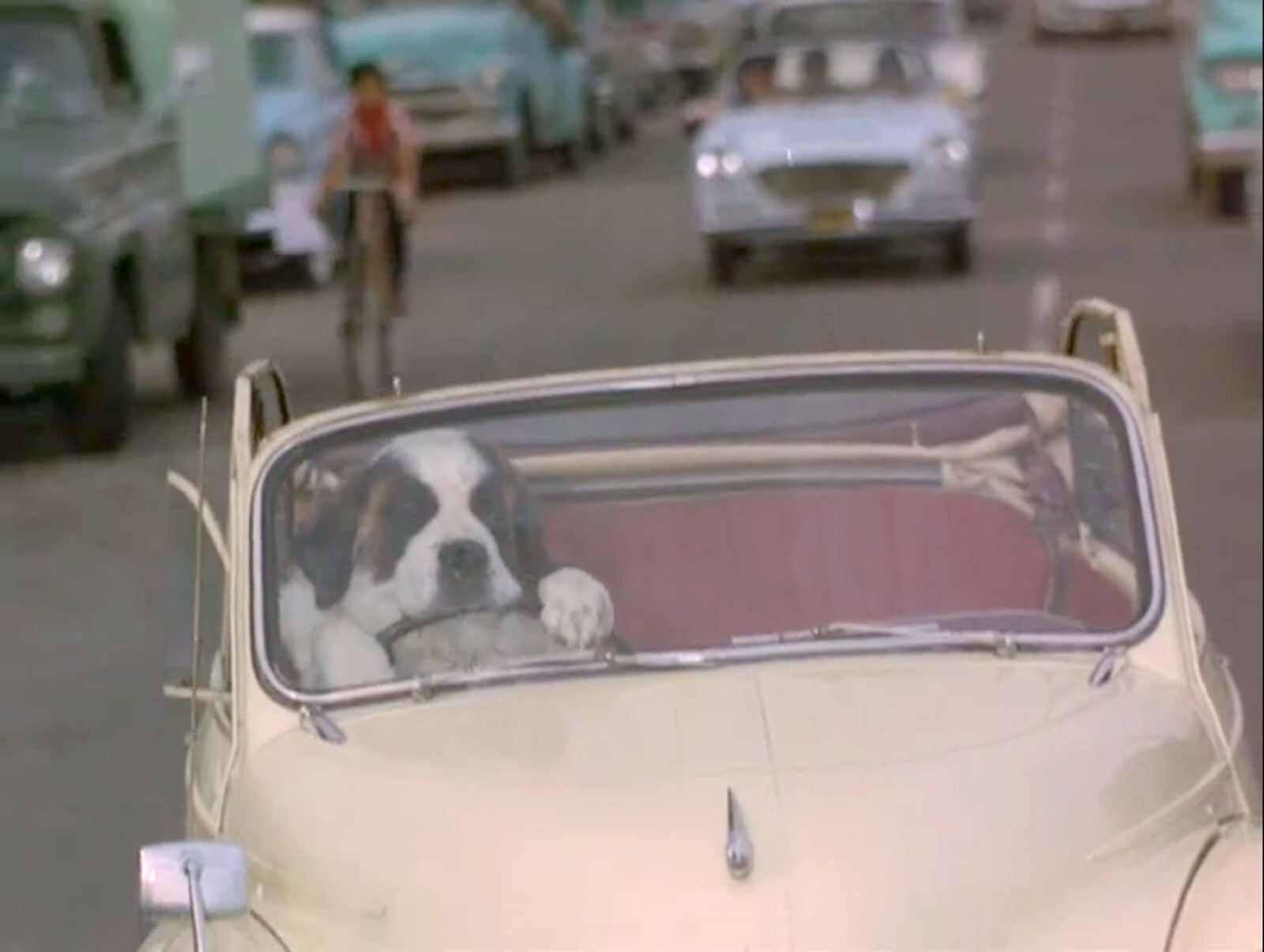
What matters is that he preceded Toonces the Driving Cat by decades.
Uh.
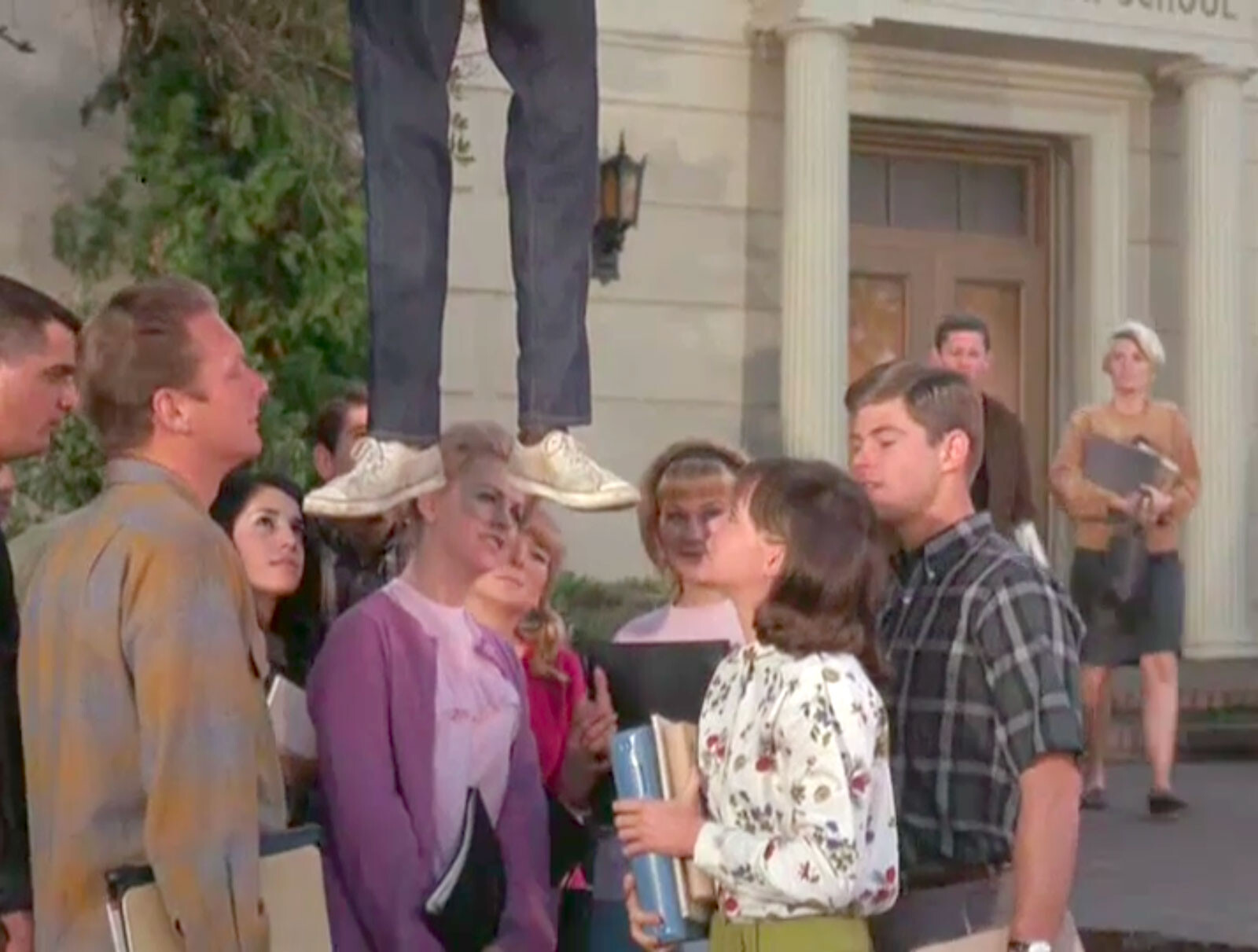
This turns out to be an effigy wearing a sign of protest against Helpful Hannah, the advice columnist of the Westside Jester who happens to be Gidget, but until we know that: yikes.
The series finale revolves around Gidget volunteering to store a dead alligator belonging to a neighbor kid named Davey (Frankie Kabott) so that he can keep it fresh long enough to get it preserved in plastic. Does a storyline like this mean the writers definitely thought they’d get to make more episodes, or definitely knew they wouldn’t?
For most of the series, only Gidget gets to do direct address.

One character they make an exception for is Herman Marshall, father to one of Gidget’s friends, because he is played by one Paul Lynde.
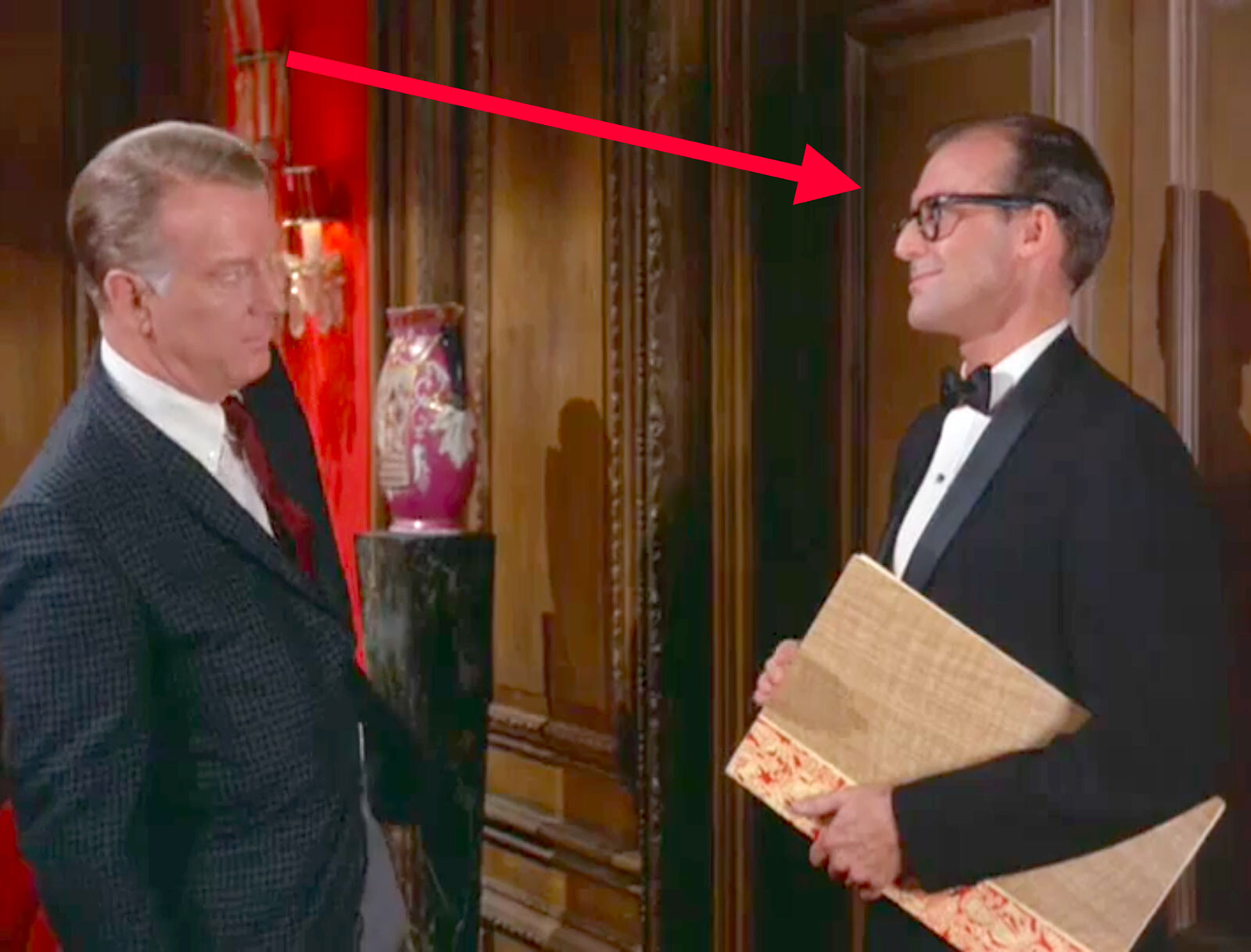
And you will see other recognizable faces. Richard Bull from Little House on the Prairie!
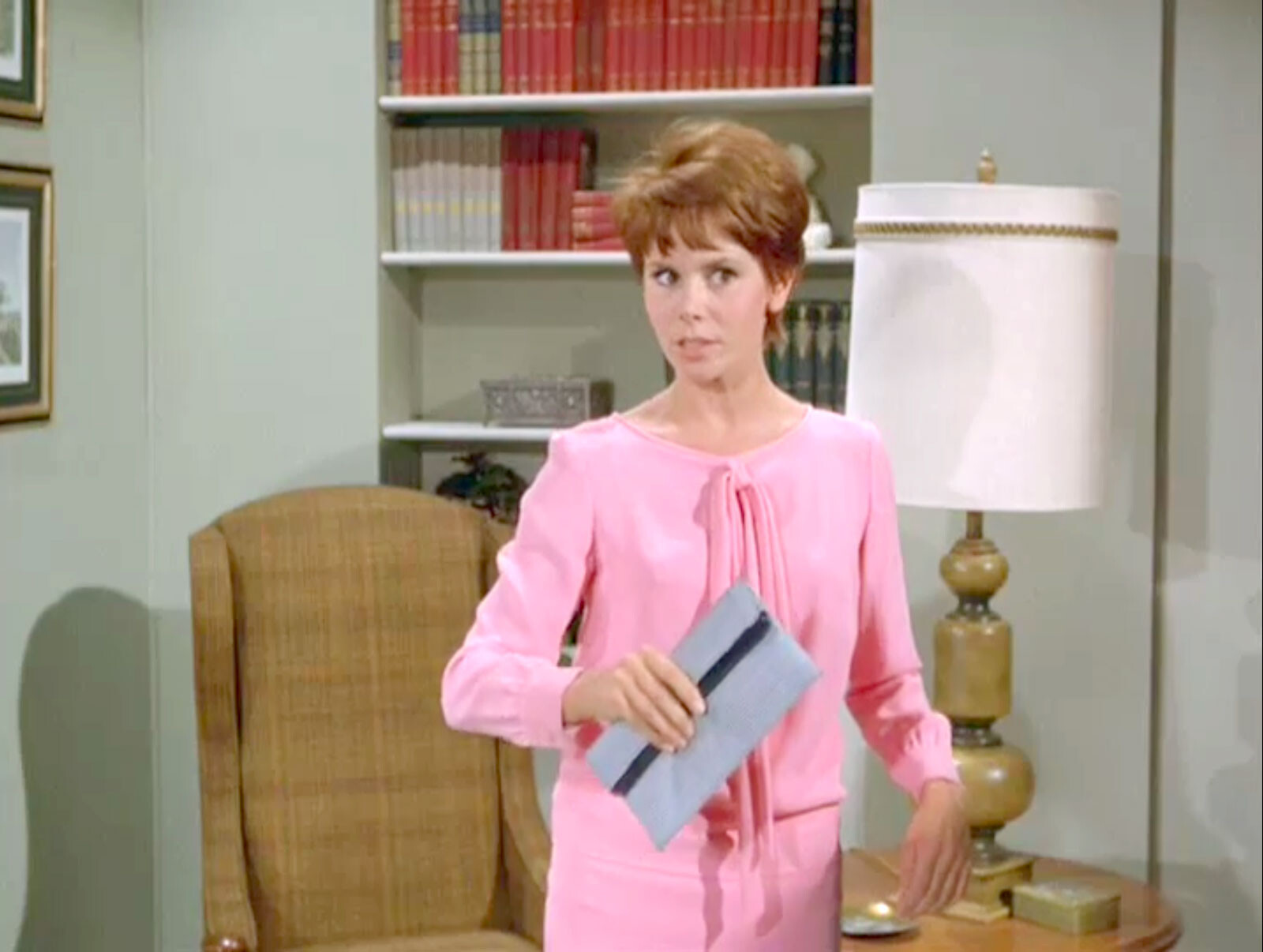
Judy Carne from Laugh-In!
Richard Dreyfuss!
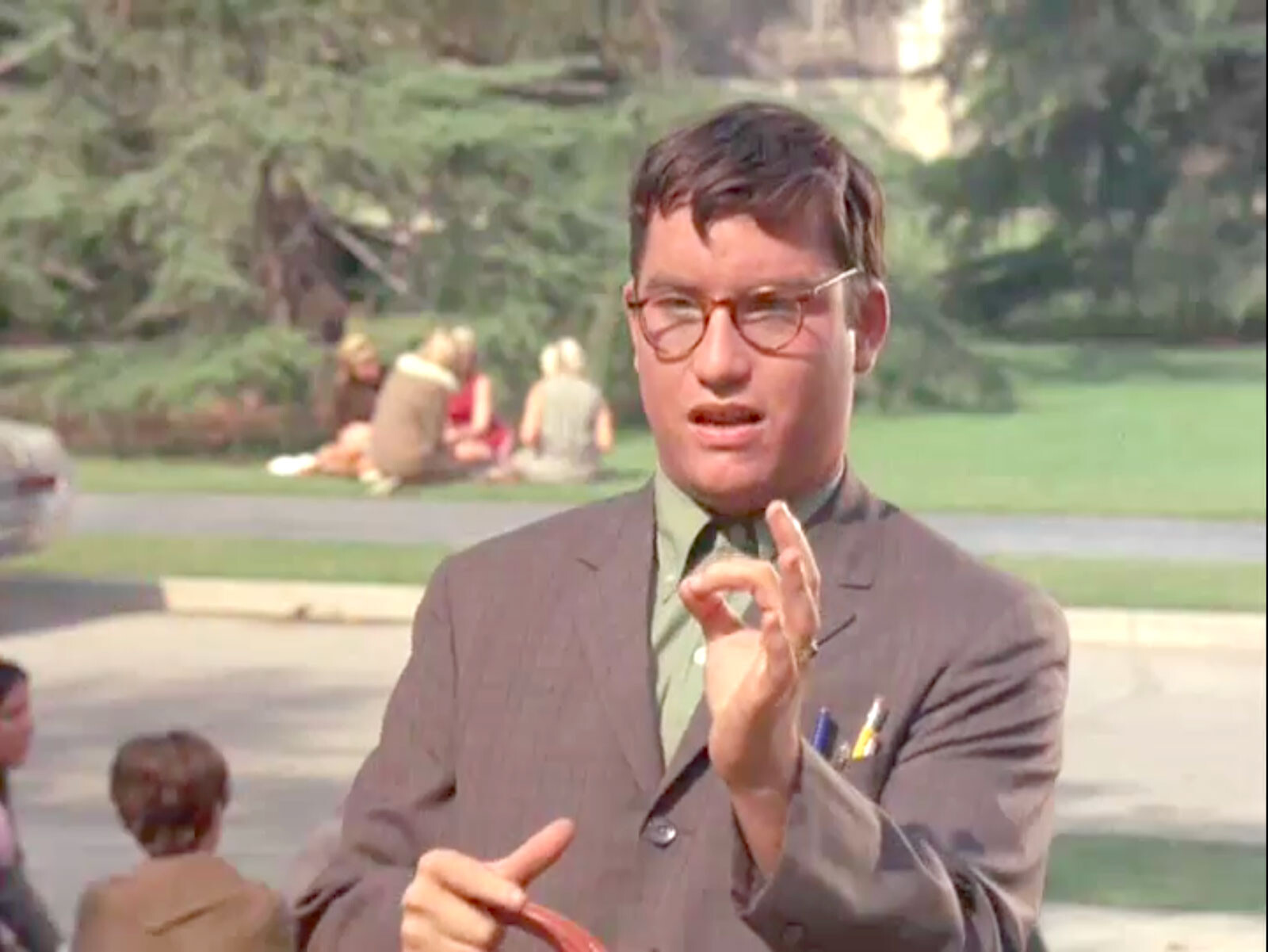
Bonnie Franklin!
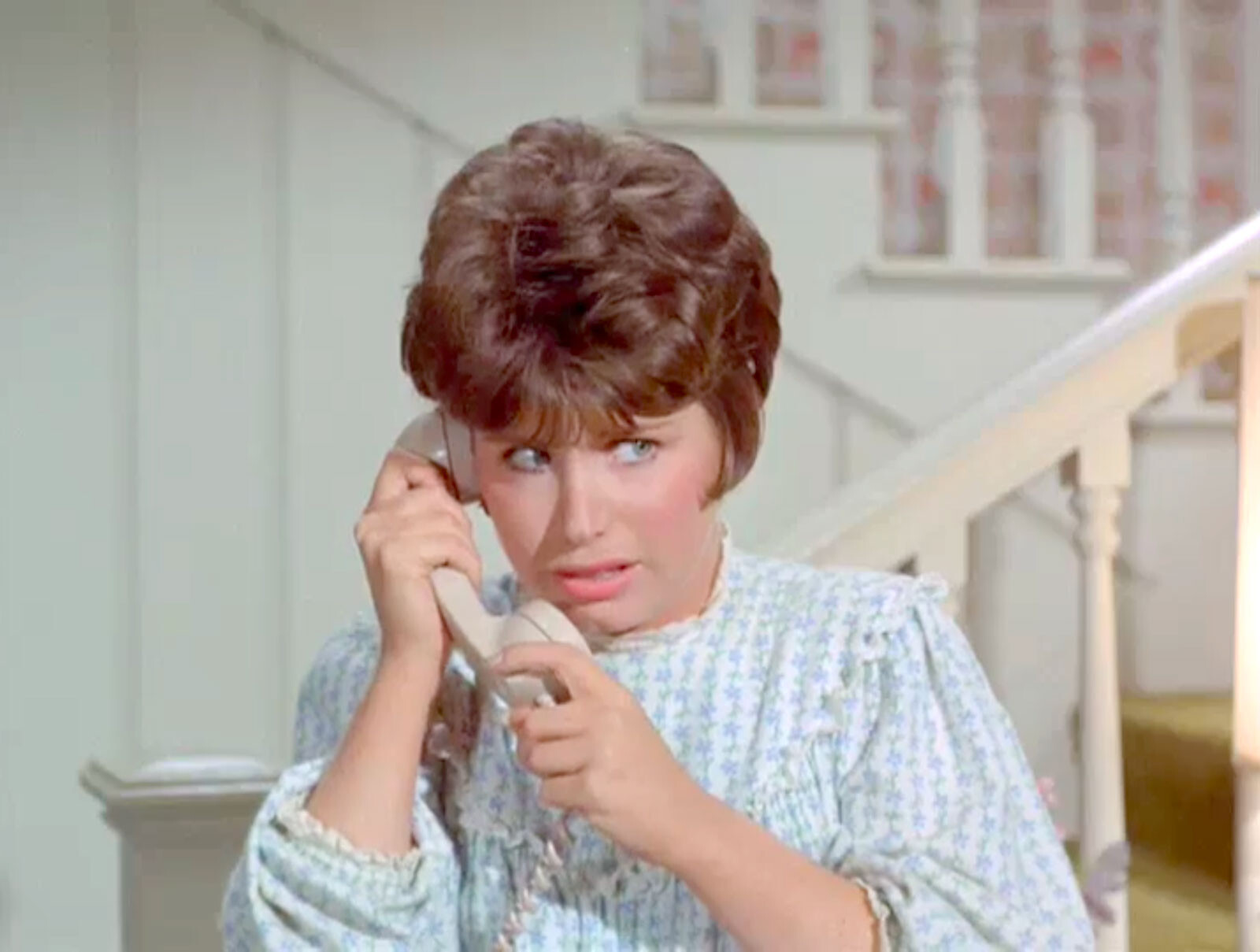
Barbara Hershey!
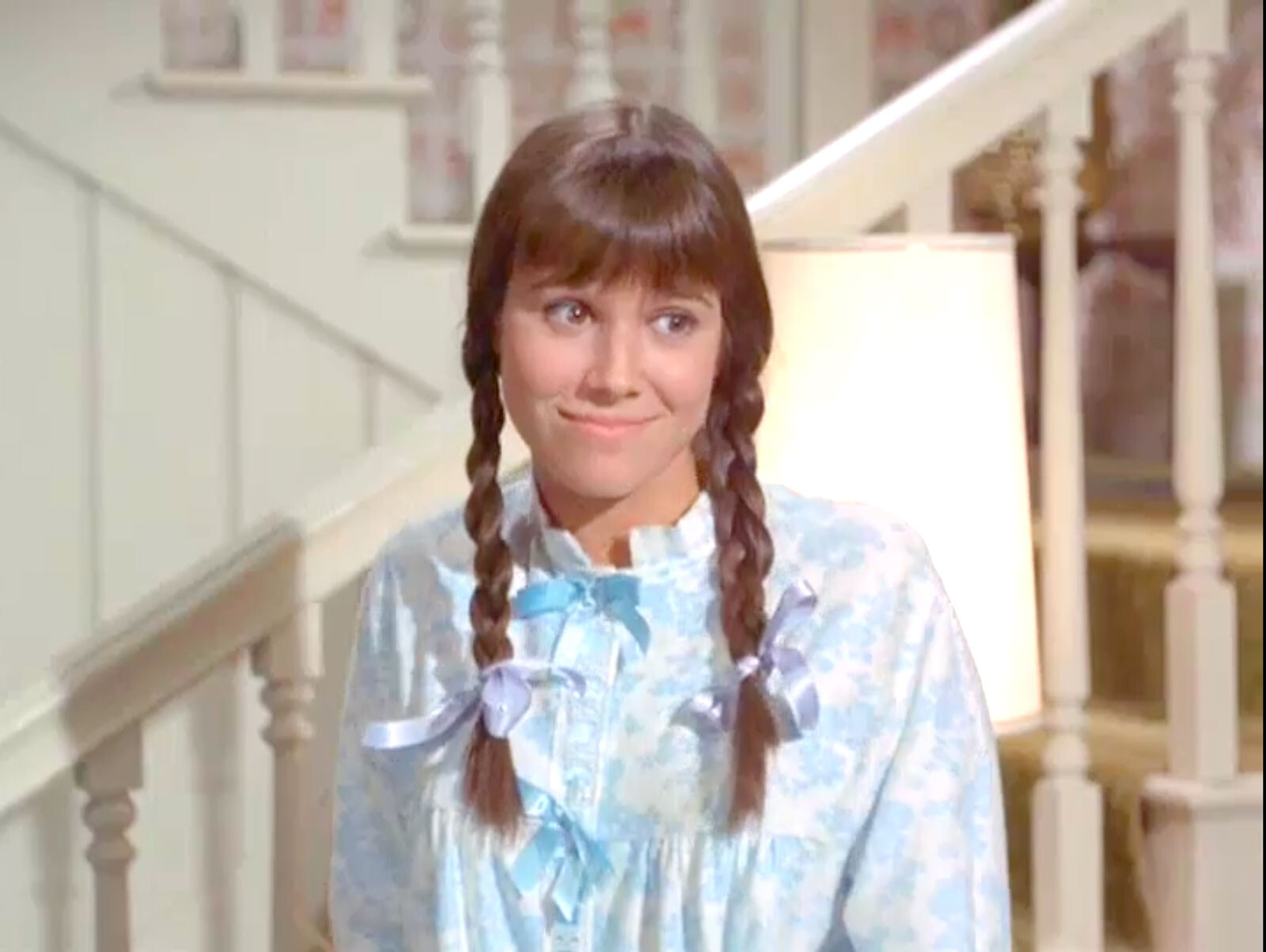
Henry Jaglom (who plays Billy Roy Soames) may not be that recognizable actor, but he directed tons of movies!
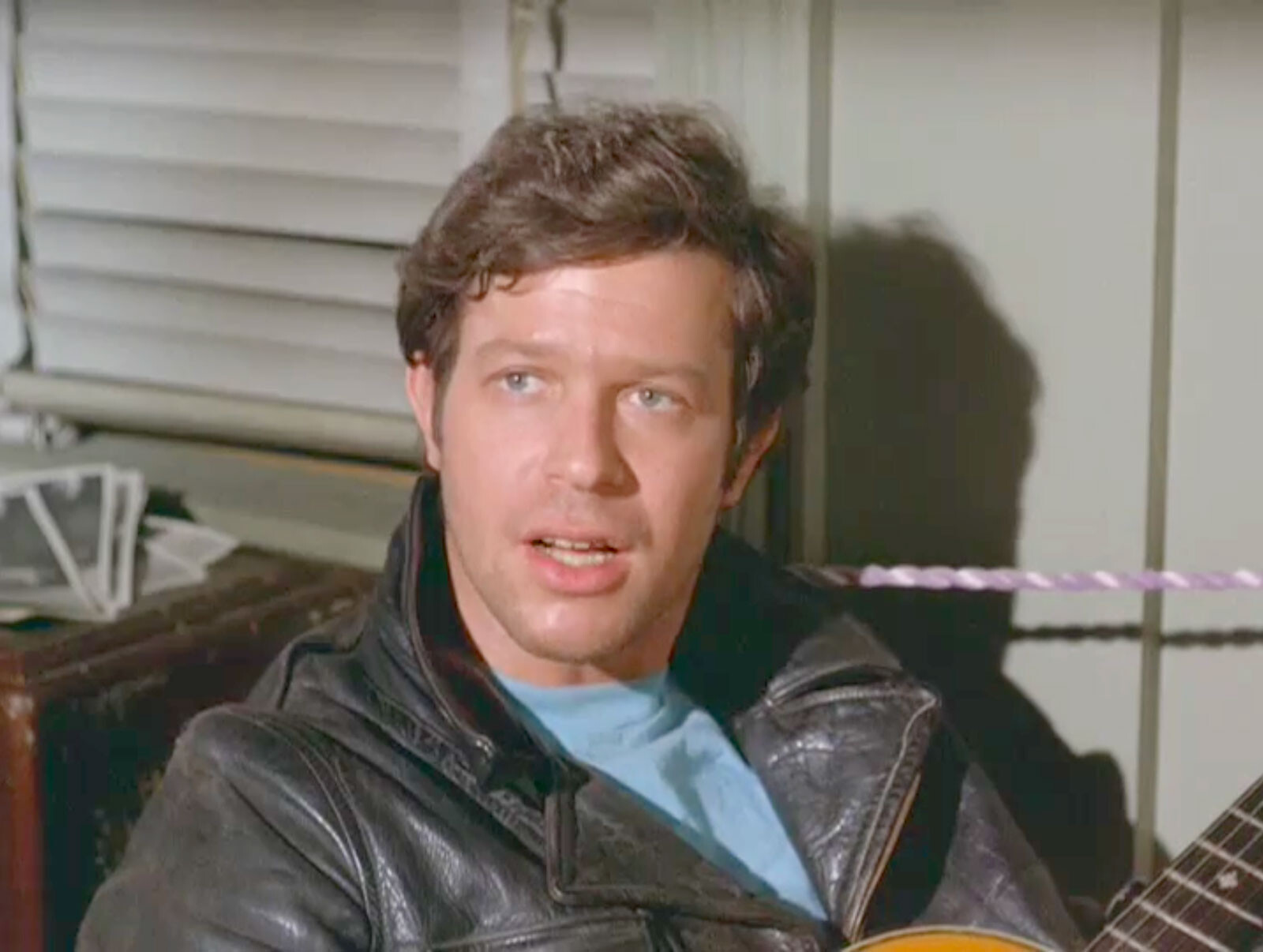
Walter Koenig!

Harvey Korman!
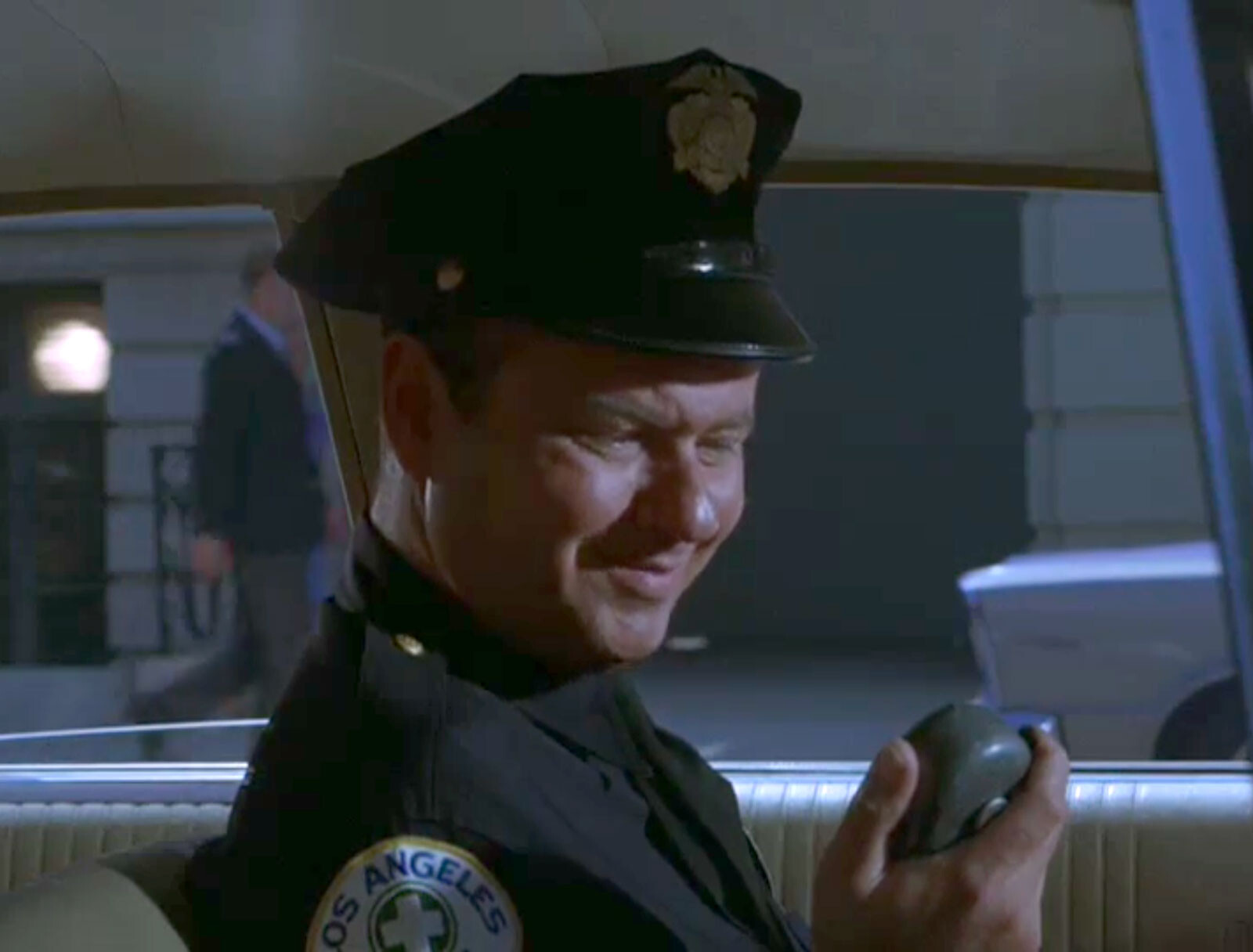
Martin Milner from Emergency!
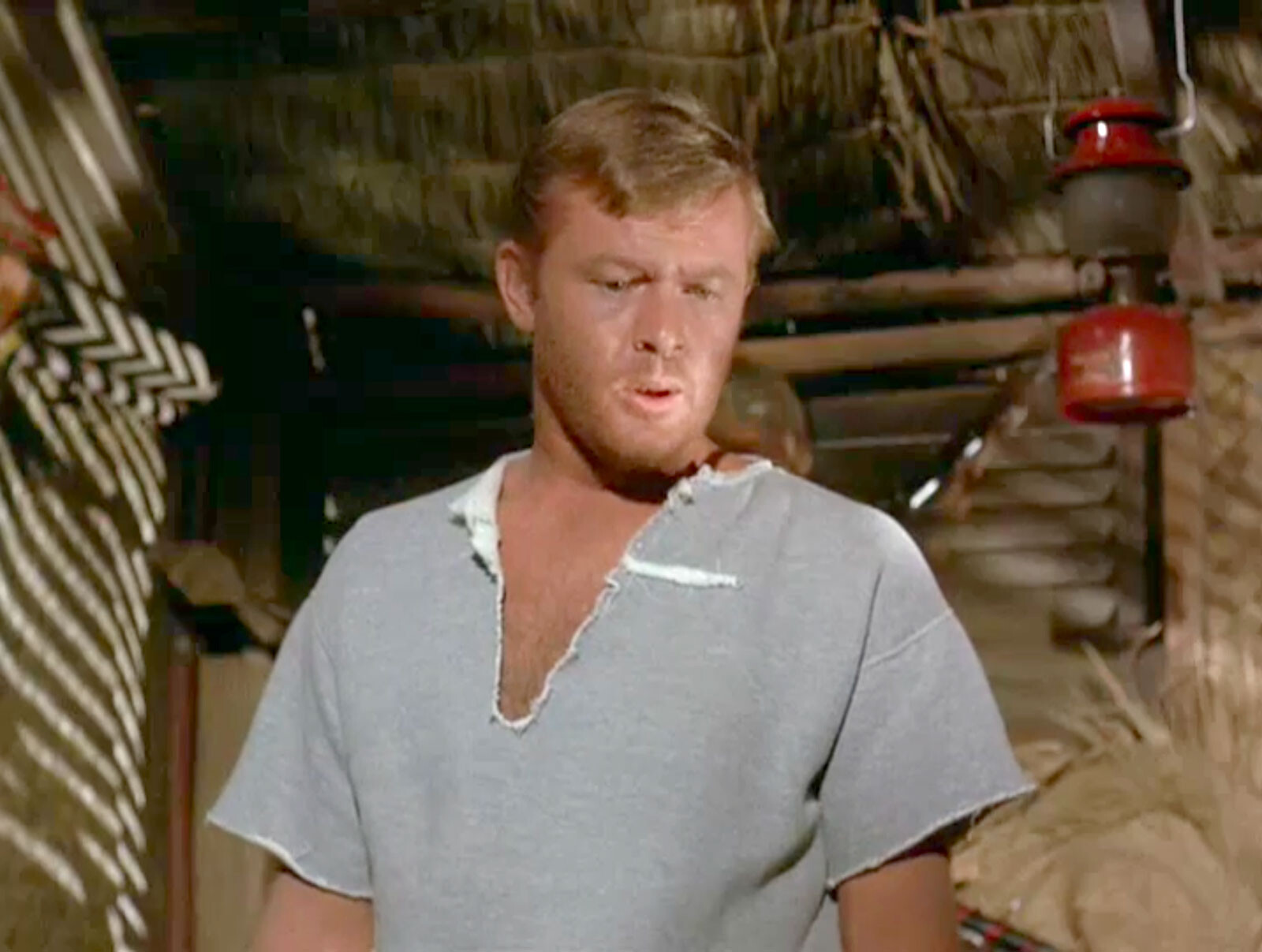
Ron Rifkin from Alias!

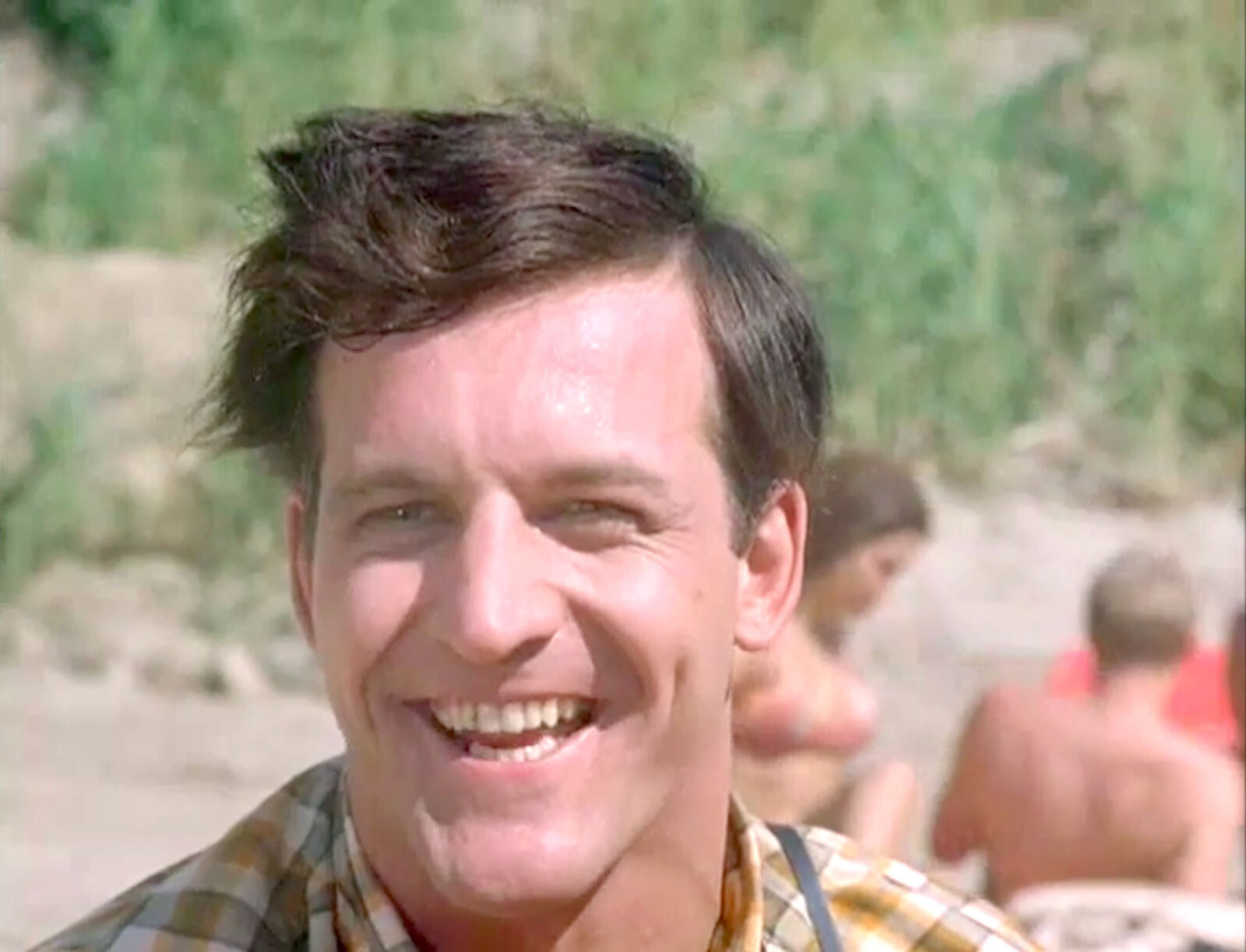
Daniel J. Travanti from Hill Street Blues!
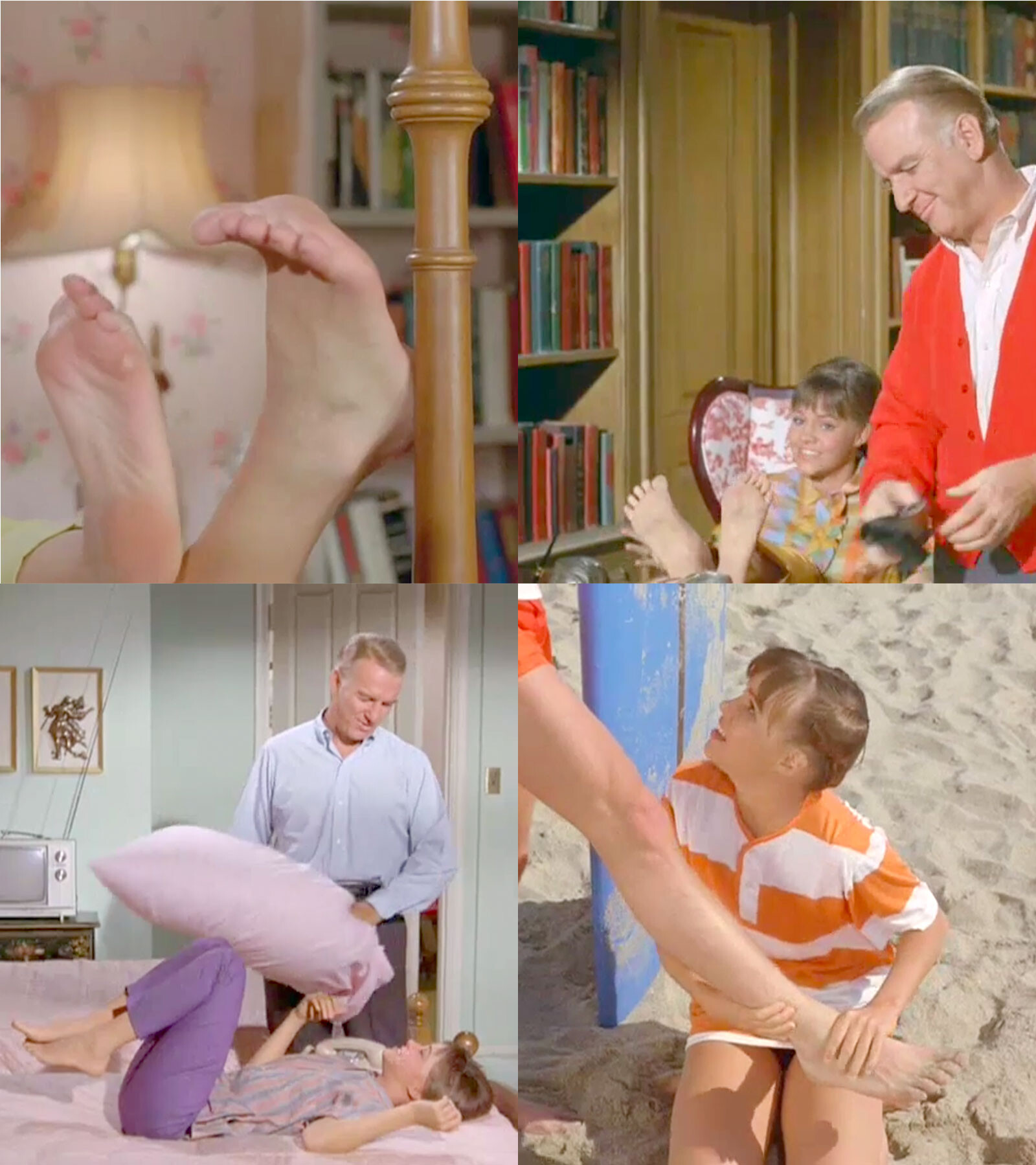
Look, I’ve held off on this as long as I could, but: someone behind the scenes at this show was REALLY into feet.
Kathy “Gidget” Kohner-Zuckerman is still alive, still active in the surfing world as of 2024, and while the pessimistic framing of her recent past is that she lost her home in the L.A. fires in January, the more Gidget-toned ending is to say that she survived.
