Archeology Finds That’d Make Indiana Jones Run
Archaeology is supposed to uncover the past neatly, but sometimes history has other, wildly unexpected plans. Some discoveries are so bizarre, shocking, or gross that even Indiana Jones might drop his whip in horror. Ancient toilets perfectly preserved in the dirt? Entire lost cities hiding secrets nobody ever wanted to know? Welcome to chaos.
These finds are equal parts shocking, hilarious, and terrifying. They make you question if people back then were geniuses, madmen, or just really, really unlucky.
Get ready for archaeology’s weirdest and most jaw-dropping discoveries, the ones that make history both fascinating and utterly absurd for absolutely everyone everywhere.
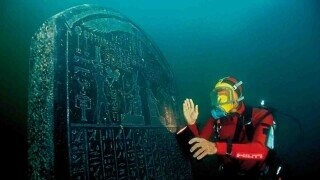
Sunken City of Heracleion (Egypt, 9th Century A.D.)
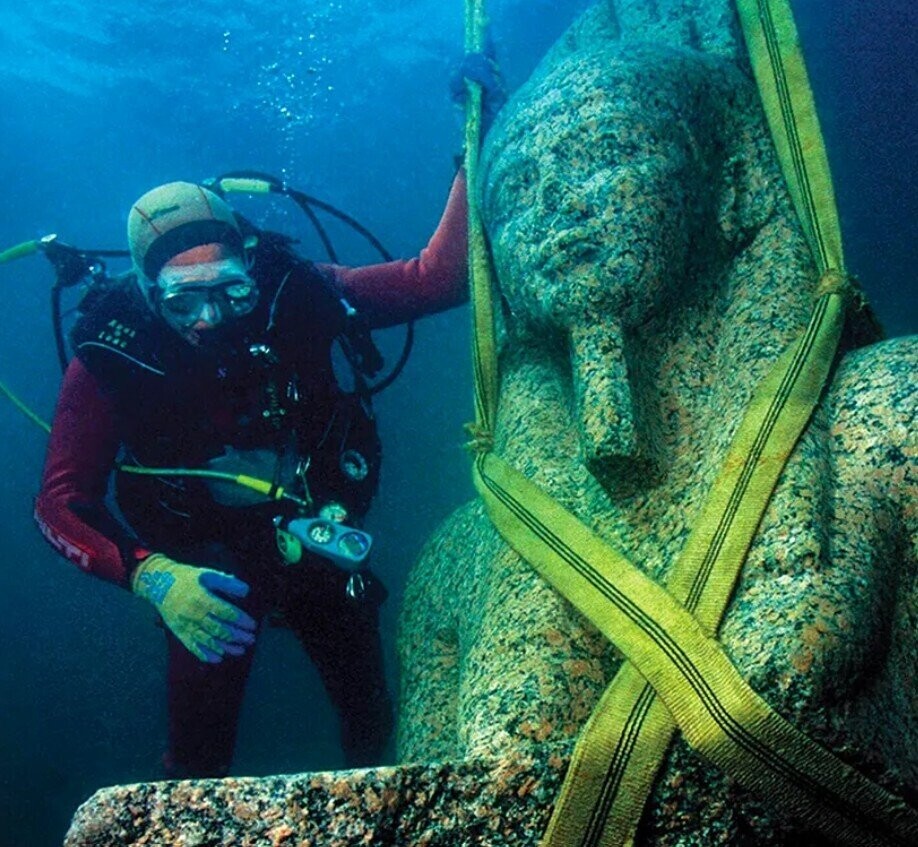
Temples, streets, and statues underwater reveal an archaeologically mysterious Atlantis nobody expected to find.
Neanderthal “Hand Circles” (Bruniquel Cave, France, 176,000 Years Ago)
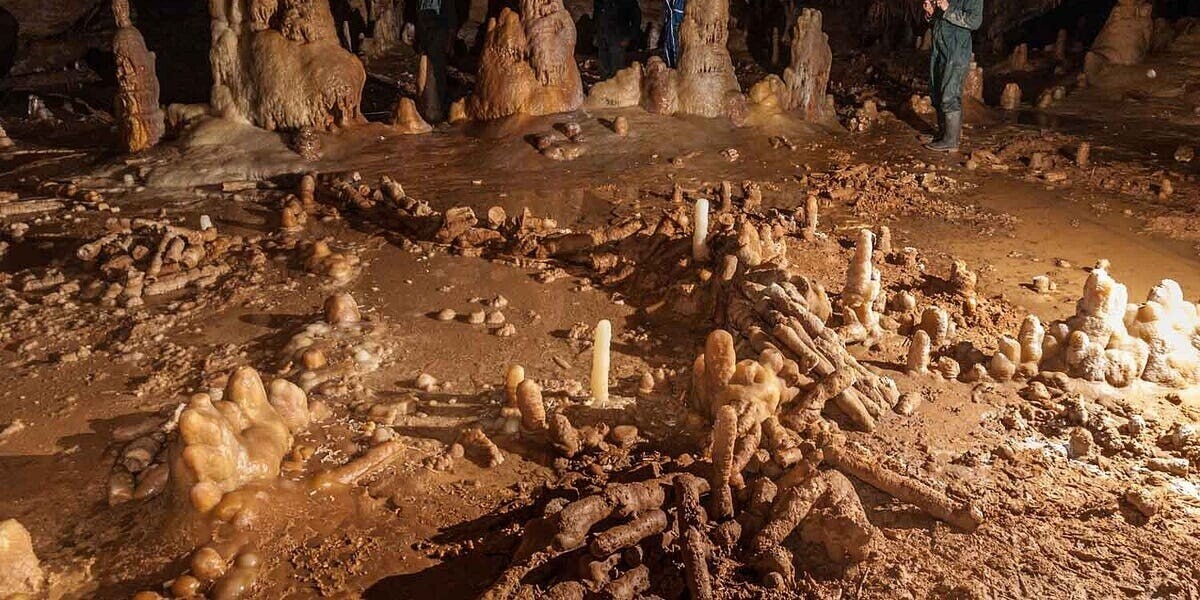
Arranged 300 meters into the cave, the stalagmites show Neanderthals’ socially astonishing spatial skills.
“Recent” Dinosaur Horn (Dawson, Montana, 33,500 Years Ago)
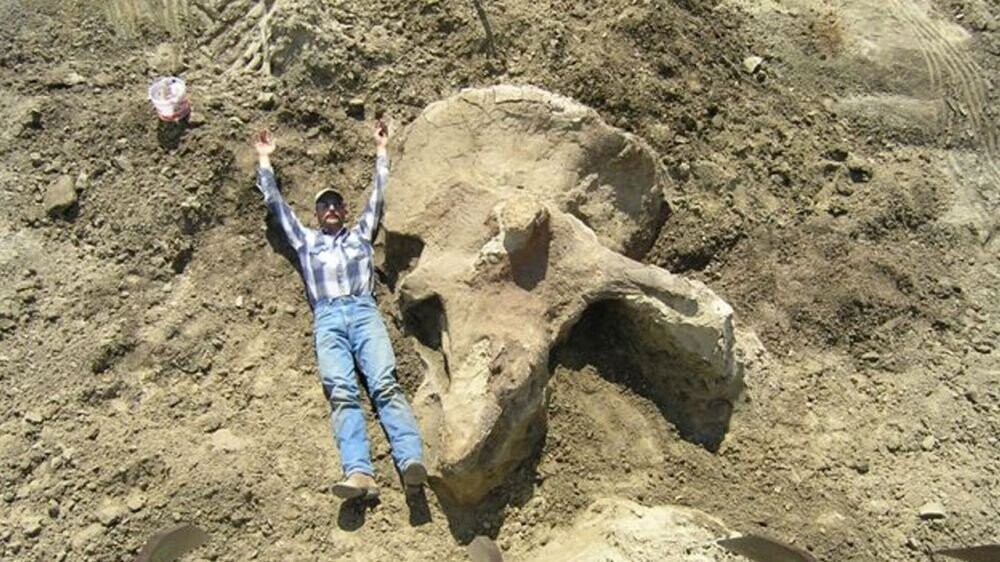
The triceratops horn found far too recently leaves paleontologists utterly baffled.
Tollund Man (Denmark, 400 B.C.)
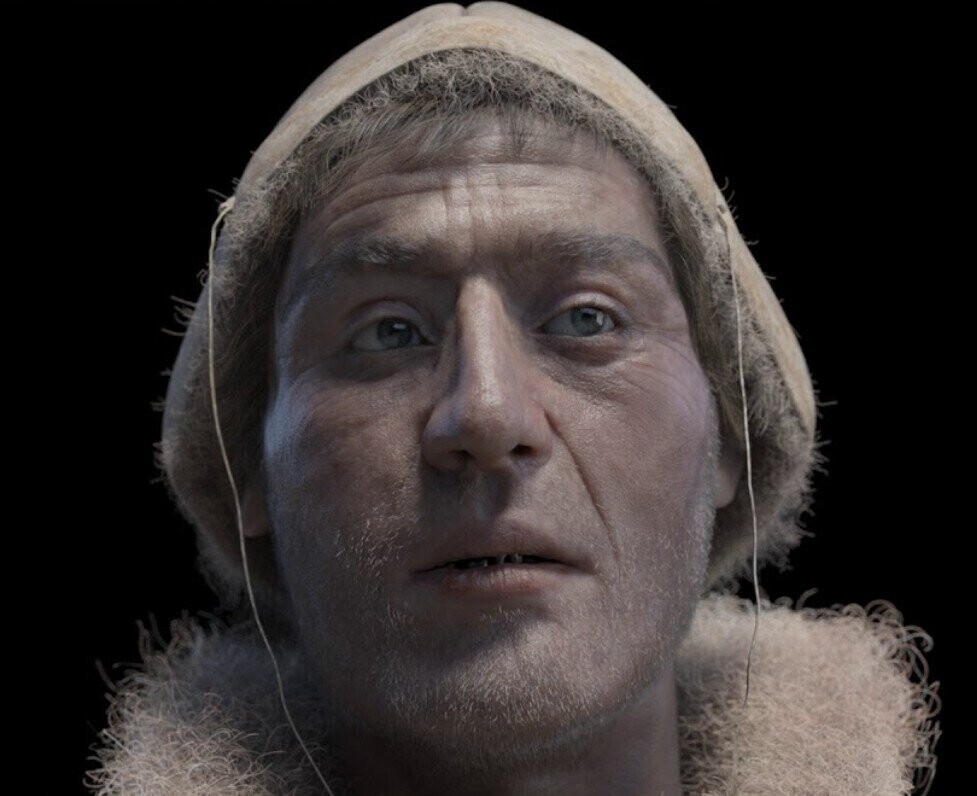
Serene expression and rope around his neck make this 2,400-year-old bog body hauntingly spooky.
Elongated Skulls of Paracas (Peru, 800 B.C.–100 A.D.)

Strangely shaped human skulls spark amazing theories about ancient genetics, culture, or maybe aliens.
Lost City of Ocontun (Yucatán, Mexico, Discovered 2023)

Hidden beneath dense jungle, this Maya city reveals a gigantic scale of organization that astonishes archaeologists.
Stone Spheres of Costa Rica (4th–10th Century A.D.)

Perfectly round giant stones carved without modern tools reveal precision that defies explanation.
London Hammer (Texas, US, 100 Million Years Old)
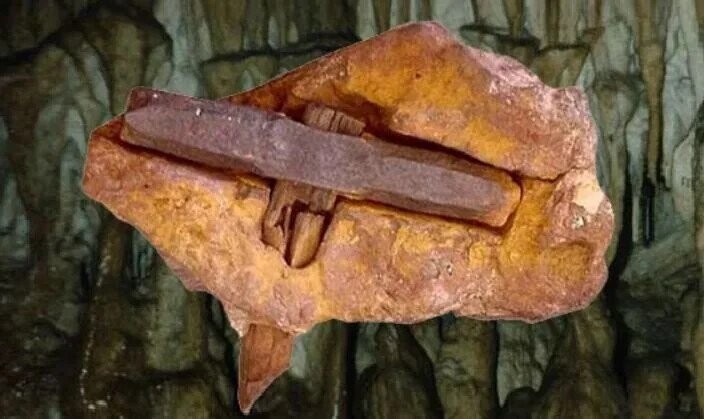
Encased in Cretaceous rock, this modern hammer creates pure shock across geology and history enthusiasts alike.
Roman Dodecahedron (Various Locations, 2nd Century A.D.)
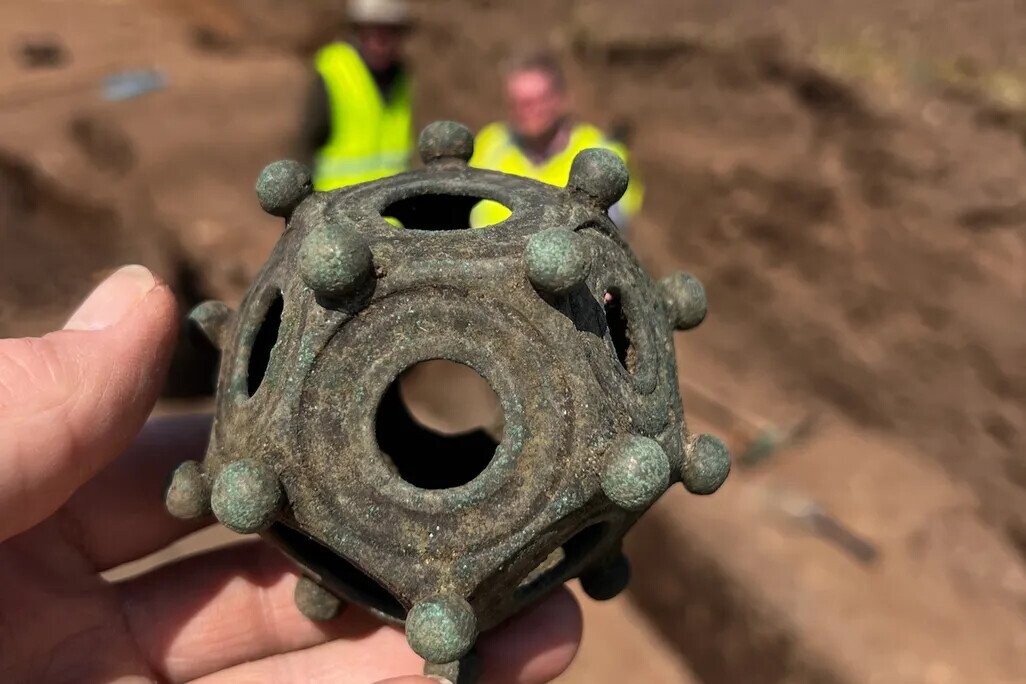
Nobody knows if these hollow bronze twelve-faced objects were toys, tools, or rituals, but their weirdness endures.
Antikythera Mechanism (Greece, Shipwreck, 1901, 2,000 Years Old)
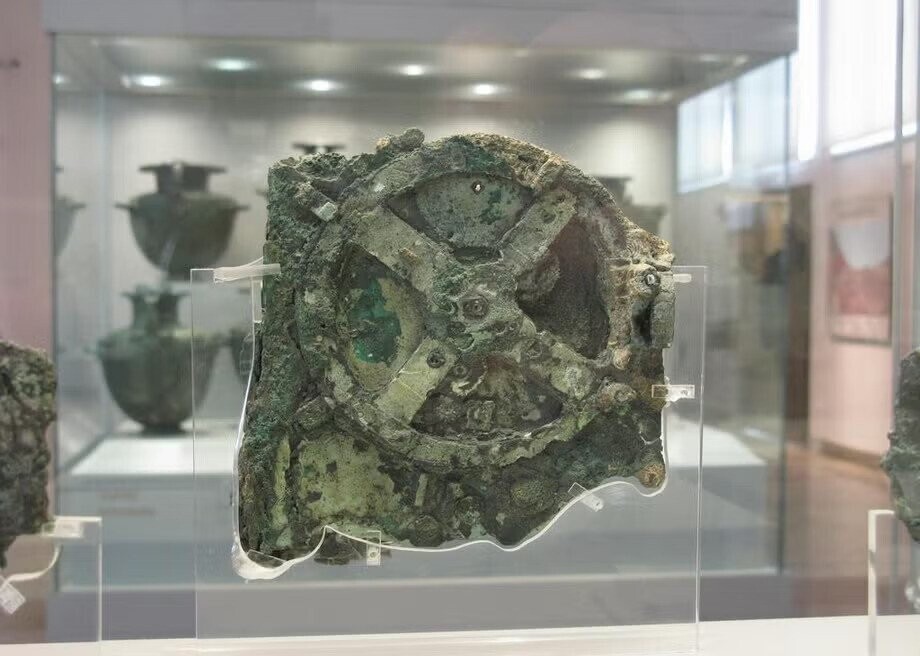
Predicting eclipses and planetary motion, this ancient analog computer is shockingly amazing for its time.
The Porpoise Tomb (Chapel Island, Scotland, 2nd Century A.D.)
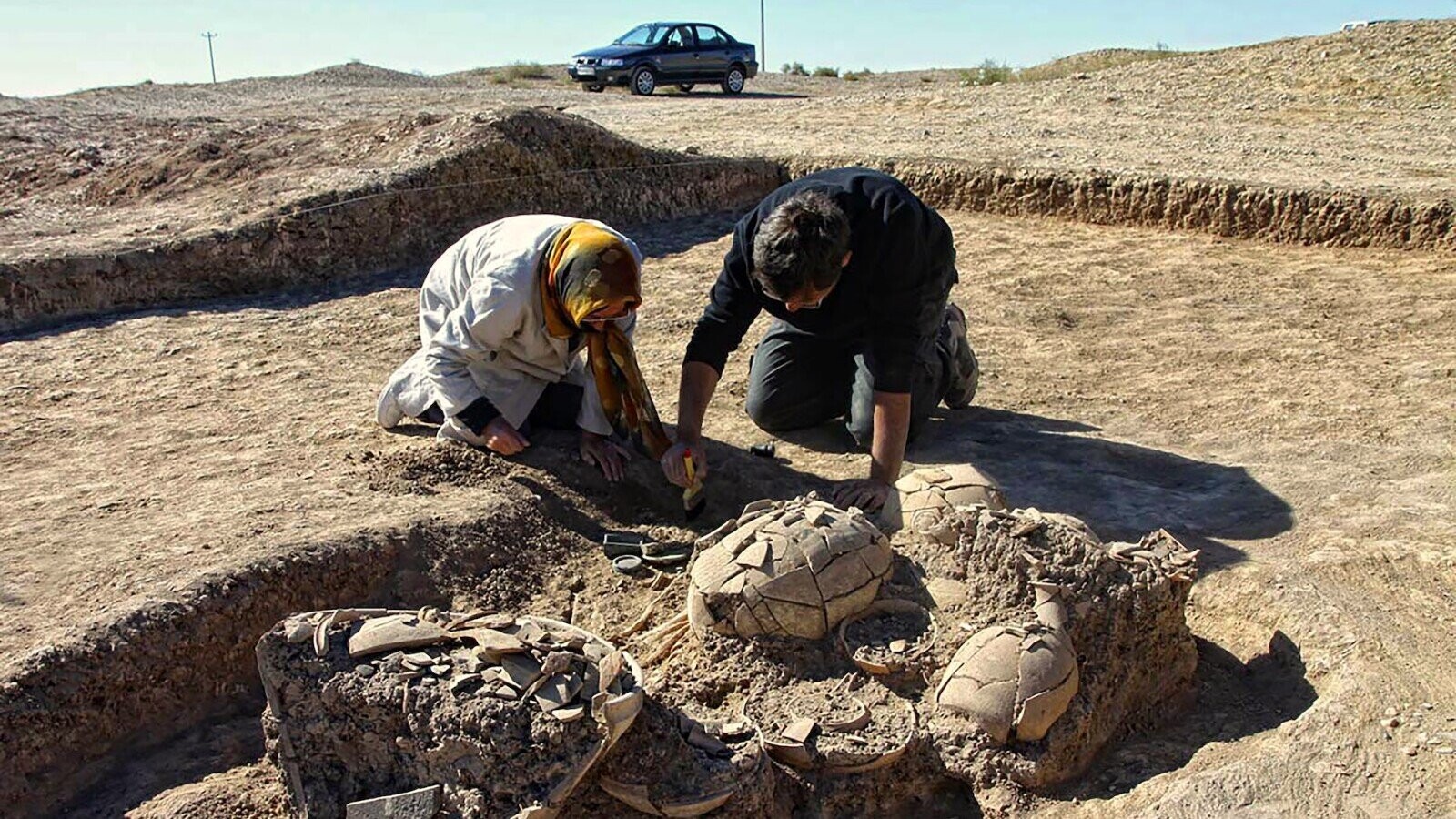
Buried with ceremony, this marine mammal earned unexpected respect, reminding us that humans have always loved rituals.
The “Kiss” of Valdaro (Mantua, Italy, 6,000 Years Ago)
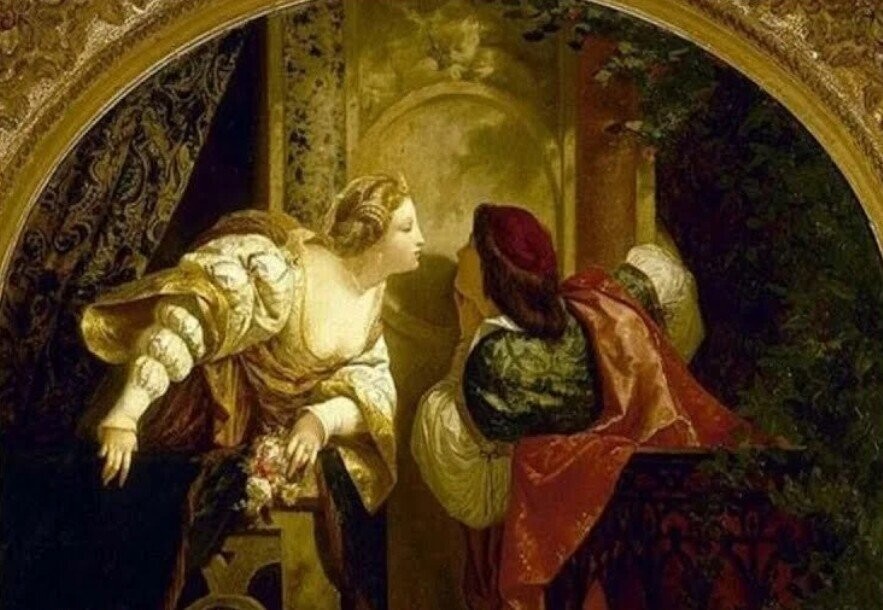
Two skeletons frozen face-to-face radiate awkward romance, proving that love, or something like it, lasts a really long time.
Roman Bath Under a Vineyard (Negrar, Italy, 1st Century A.D.)
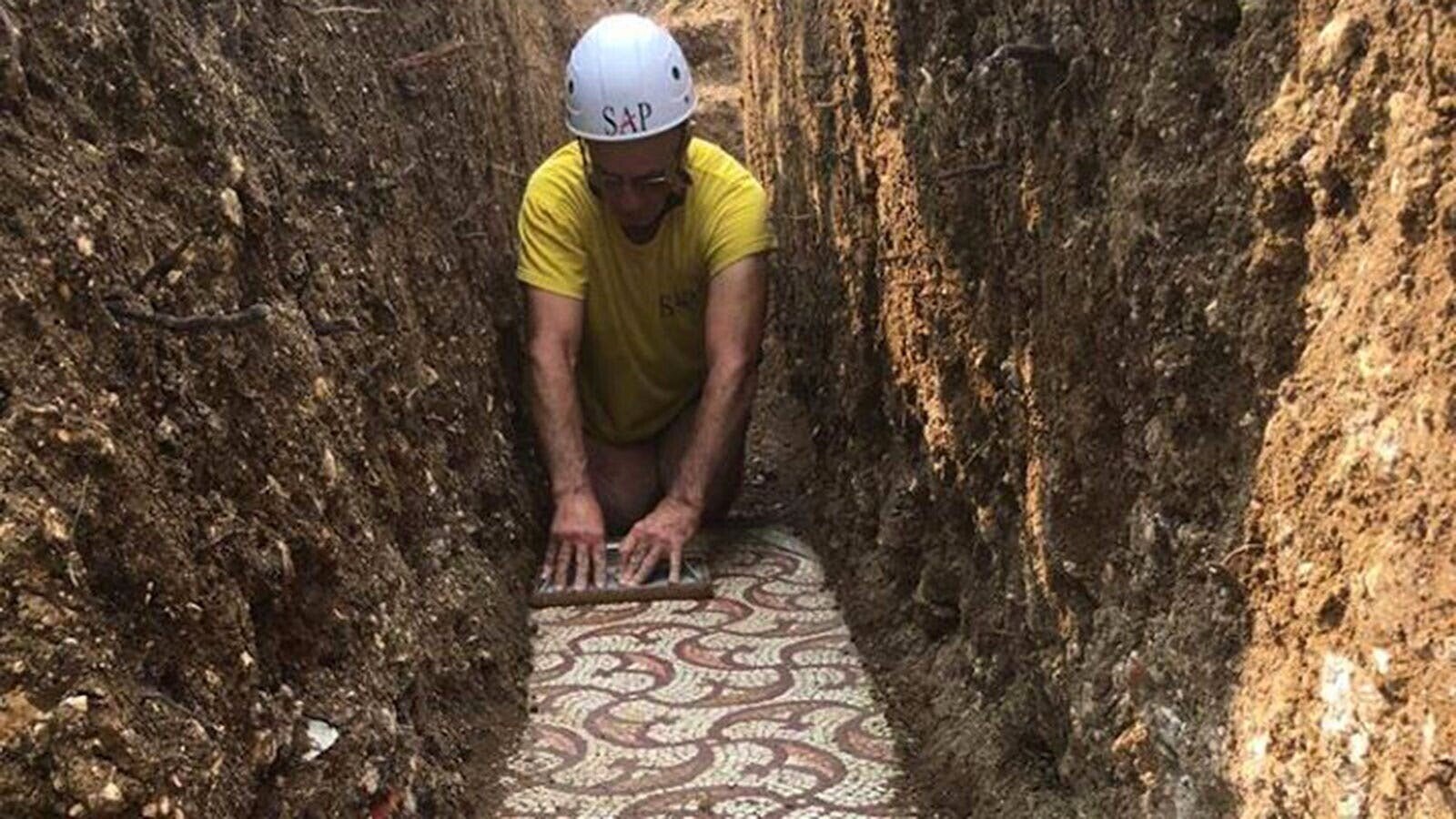
Beneath a modern vineyard lies a mosaic floor blending luxury and wine production perfectly across centuries.
Neanderthal Cannibalism (Goyet Caves, Belgium, 40,000 Years Ago)
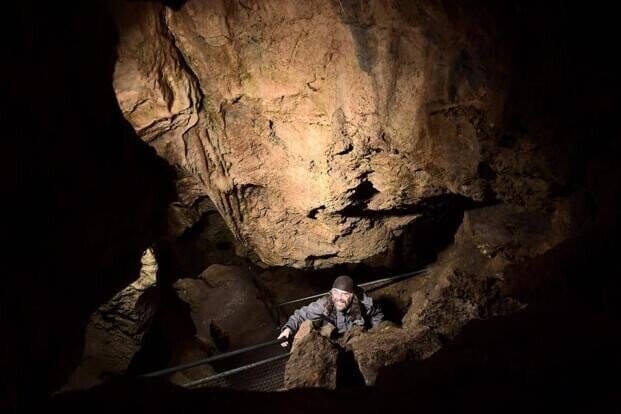
Bones chopped and smashed to extract marrow show our evolutionary cousins had surprisingly gourmet tastes.
Mrs. Vesuvius’ Toilet (Ephesus, Turkey, 1st Century A.D.)
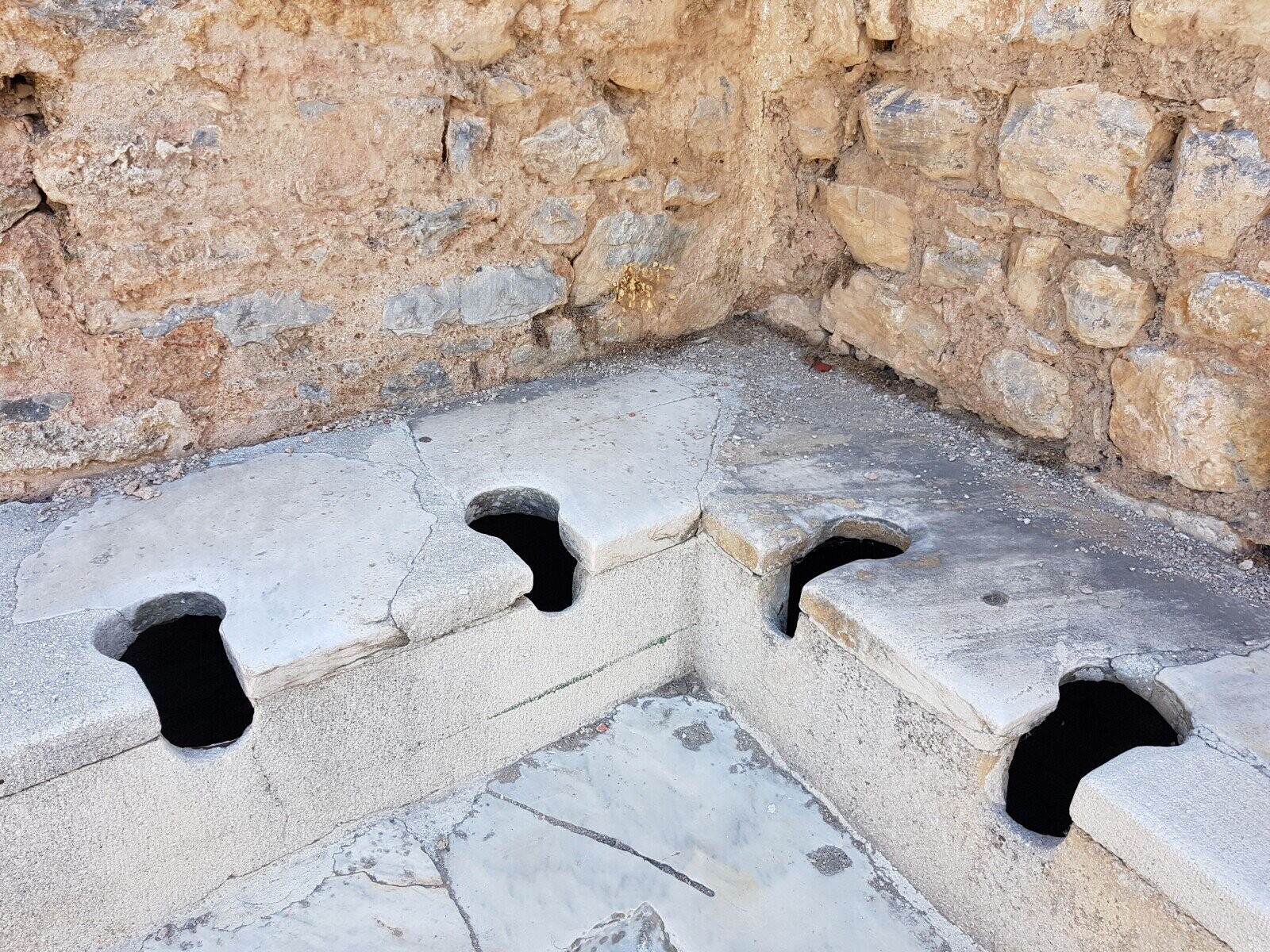
Perfectly preserved Roman communal toilets reveal just how public ancient bathroom habits really were.
Ancient Chemical Warfare (Dura-Europos, Syria, 3rd Century A.D.)
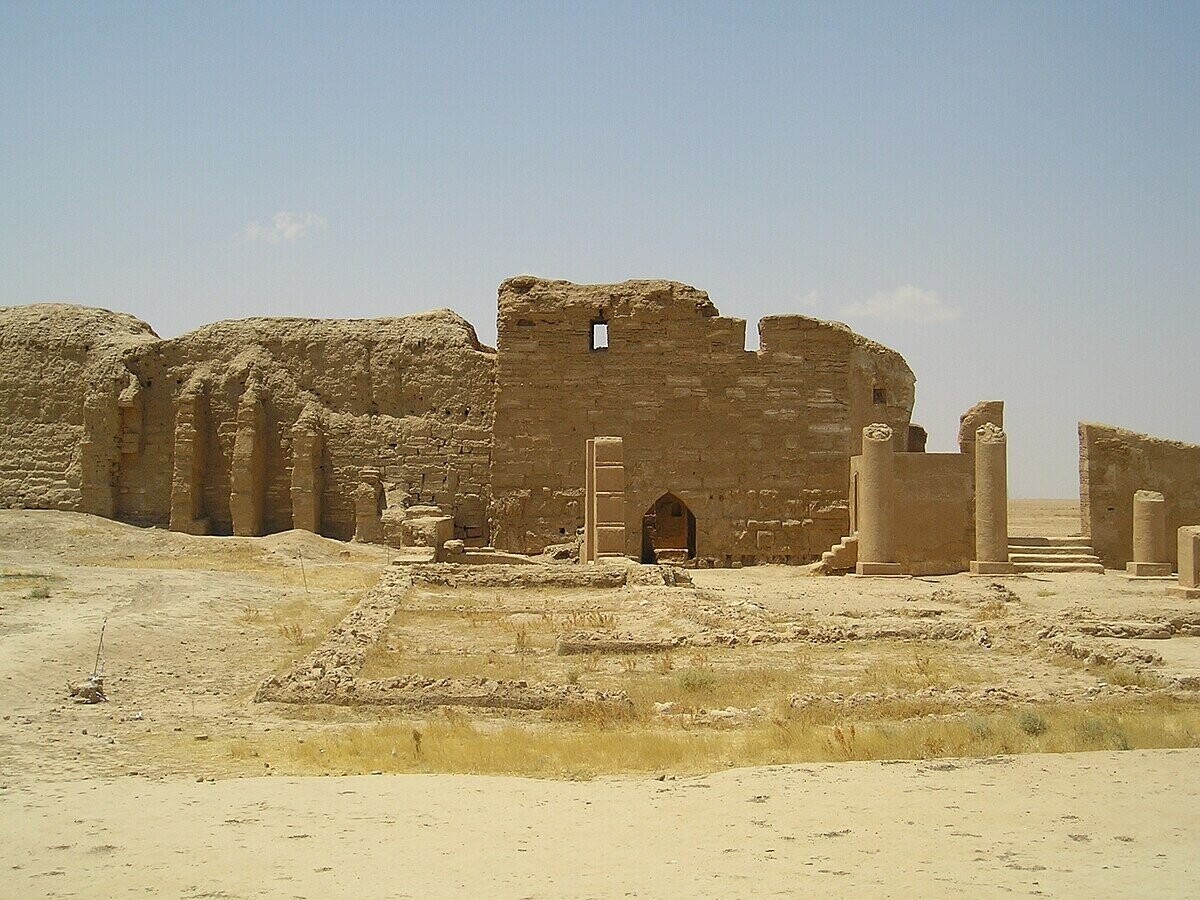
Sulfur smoke in a siege tunnel killed twenty Roman soldiers, leaving an ancient and unexpectedly lethal mark on warfare.
Fetus in the Bishop’s Tomb (Lund, Sweden, 17th Century)
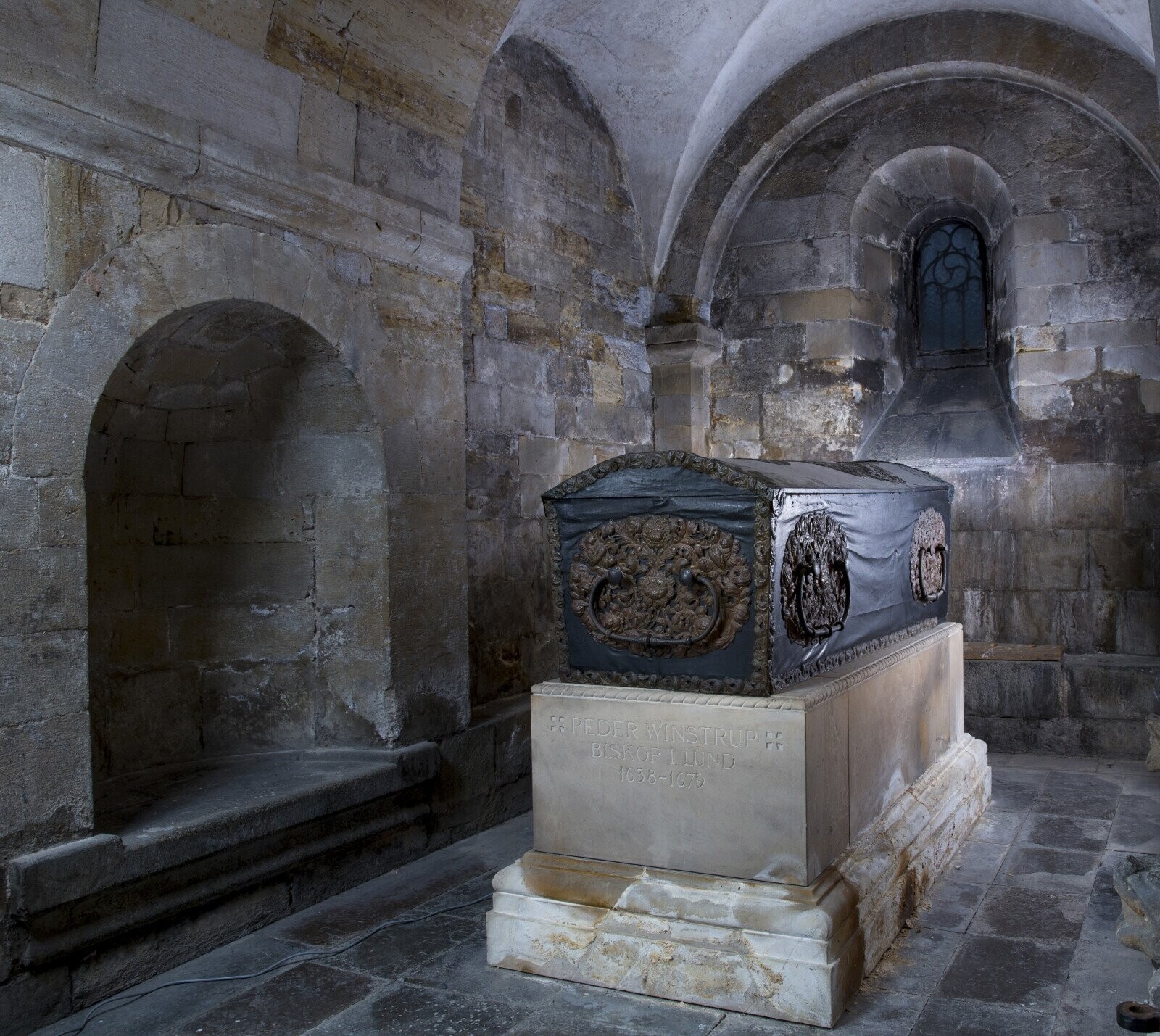
Hidden beneath Bishop Winstrup’s feet, the tiny fetus adds a scandalously mini secret to ecclesiastical history.
Decapitated Vikings of Dorset (England, 9th Century)
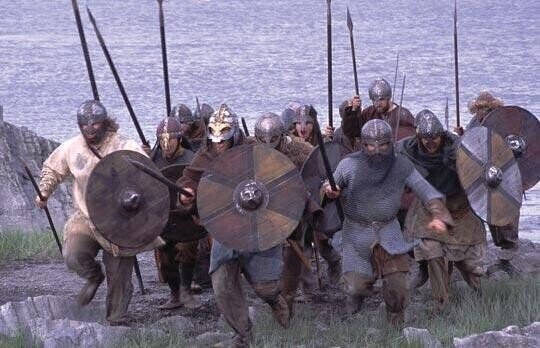
Mass graves holding 54 bodies, but only 51 heads deliver bloody chaos that would make Indiana Jones rethink life choices.
Sandby Borg Massacre (Sweden, 5th Century)
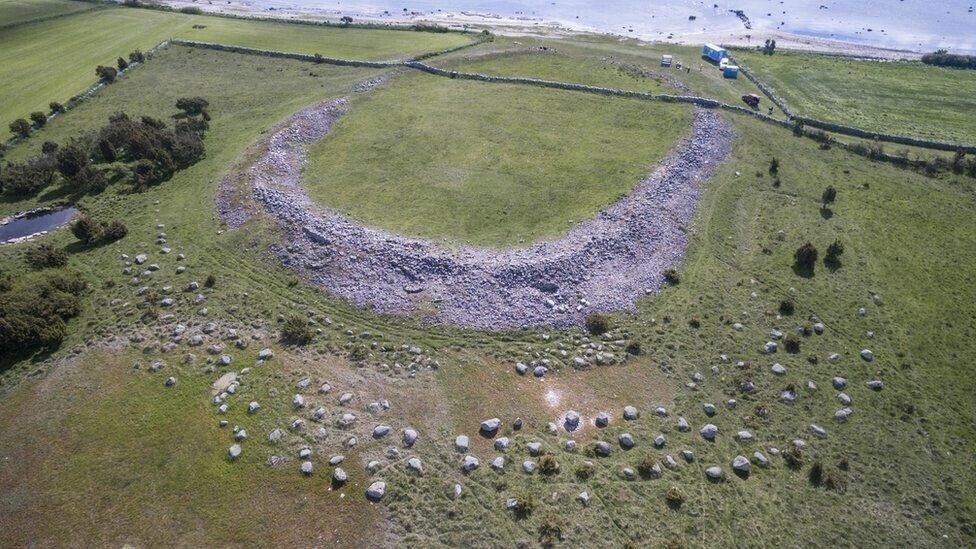
Inside abandoned homes with half-eaten fish, villagers meet their grisly fate, a display of pure horror from the Dark Ages.
The Screaming Mummy (Necropolis of Thebes, Egypt, 13th Century B.C.)
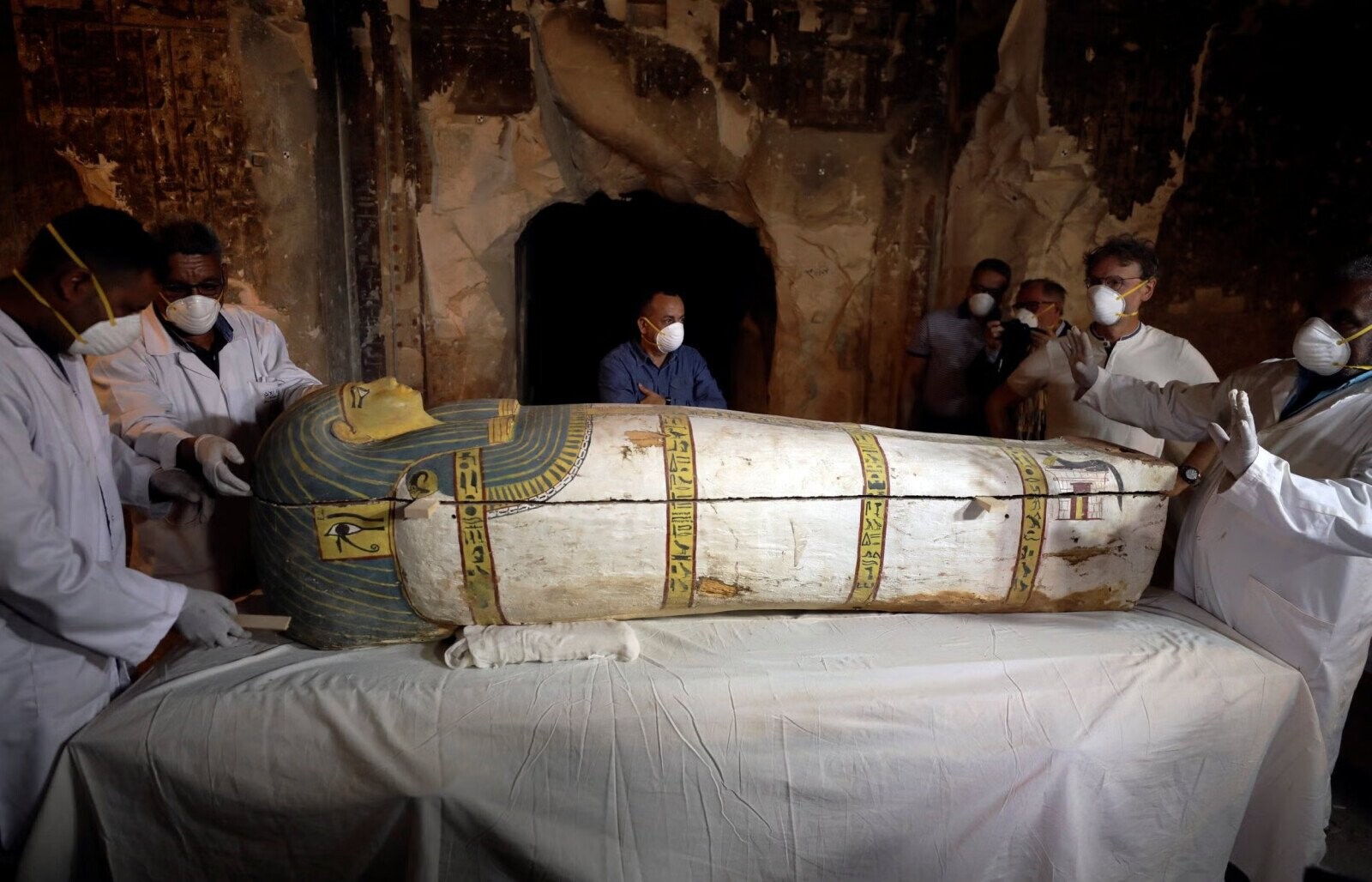
Frozen in eternal terror, its gaping mouth seems to scream, “Get me out before this turns into another horror movie!”
