15 Historical Journeys Nobody Should Have Survived
Thanks to books, movies, and TV shows, people are accustomed to the hero’s journey, where all odds are against the main characters and they must accomplish seemingly impossible feats to survive. Lots of those stories are based on real-life adventurers and explorers who traveled the world before there were roads to travel on. And those stories are, most of the time, way more impressive than any adaptation.
Harsh climates in faraway places, encounters with creatures never seen before that time, and discoveries that people are willing to die for are some of the elements that these stories feature, aside from many obstacles and challenges that, luckily, don’t exist anymore.
Expeditions that changed the way the world works, adventurers that did everything they could to keep their group alive and succeeded, and impressive feats you don’t hear much about, but they should be taught in schools. Here are journeys nobody should have survived.
Lewis & Clark Expedition
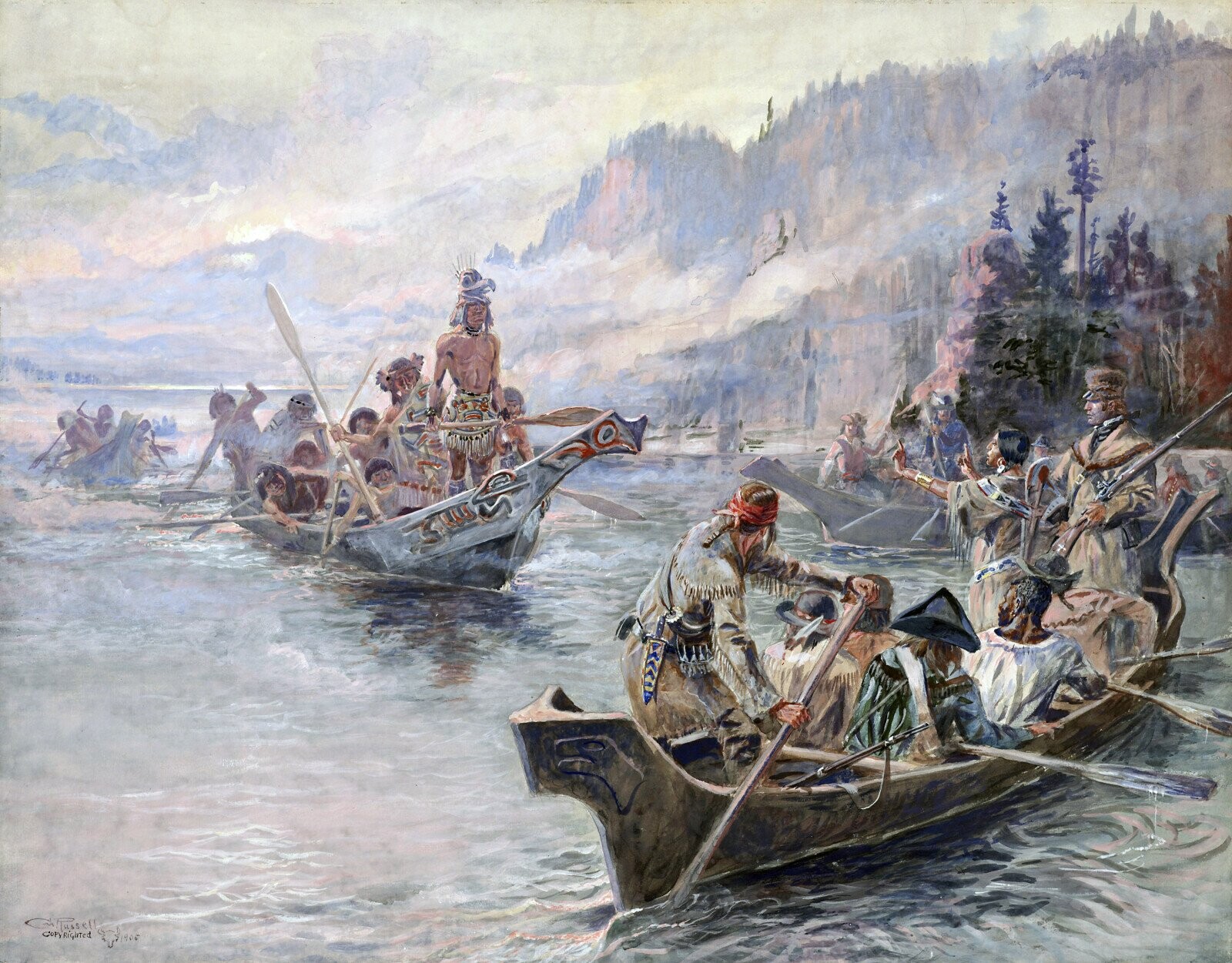
Also known as the Corps of Discovery Expedition that gathered U.S. Army and civilian volunteers, it crossed the Continental Divide of the Americas near the Lemhi Pass, reaching the Pacific Ocean in 1805. They returned safely on September 23, 1806.
The Meduse Raft
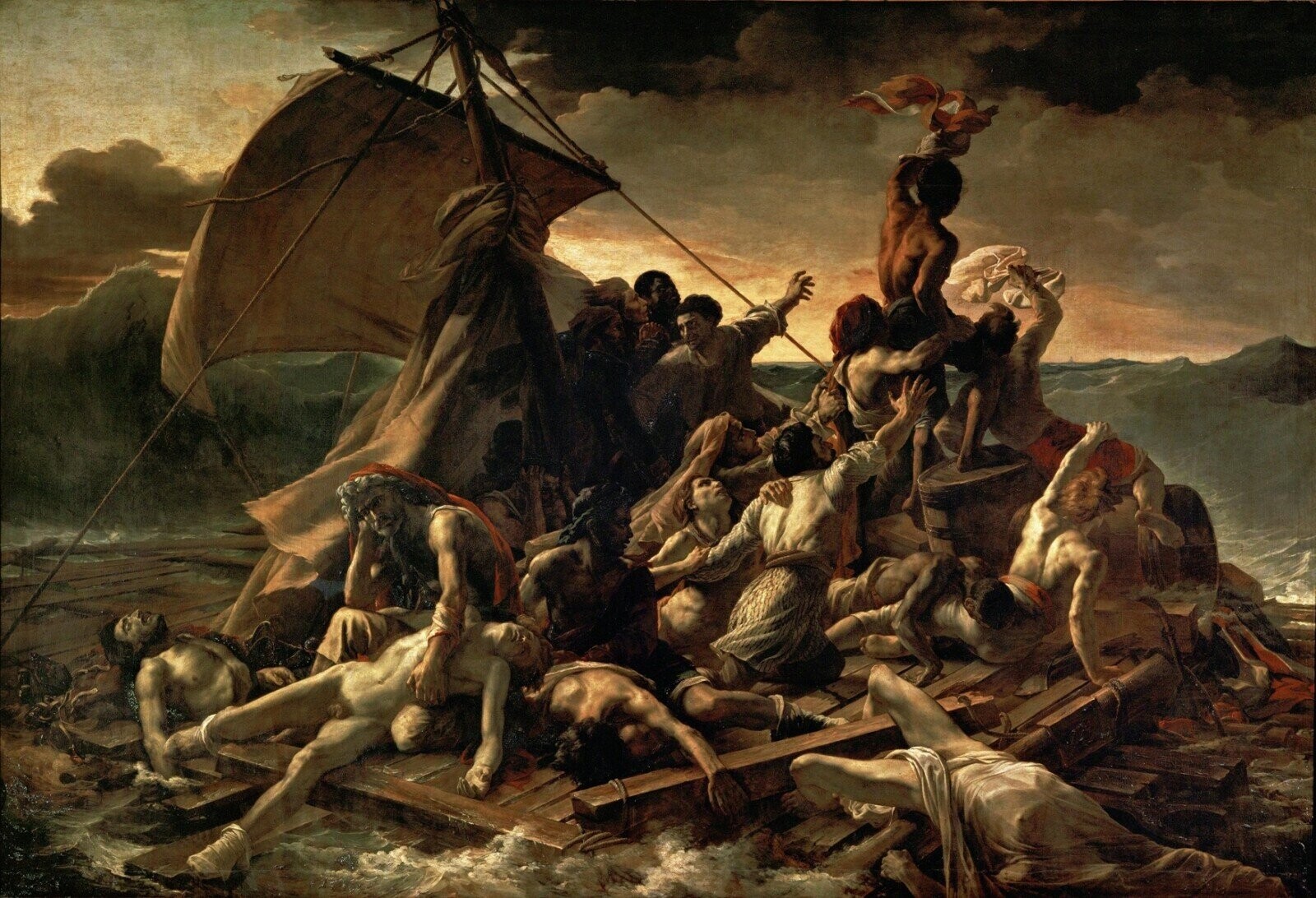
In 1816, the French frigate known as Méduse ran aground off the coast of Mauritania. Its 150 passengers and crew were forced onto a raft, which became the stage of unimaginable horrors, including cannibalism, dehydration, and general madness. Only 15 survivors were rescued, and the artist Théodore Géricault immortalized the journey in an incredible painting.
The Bounty
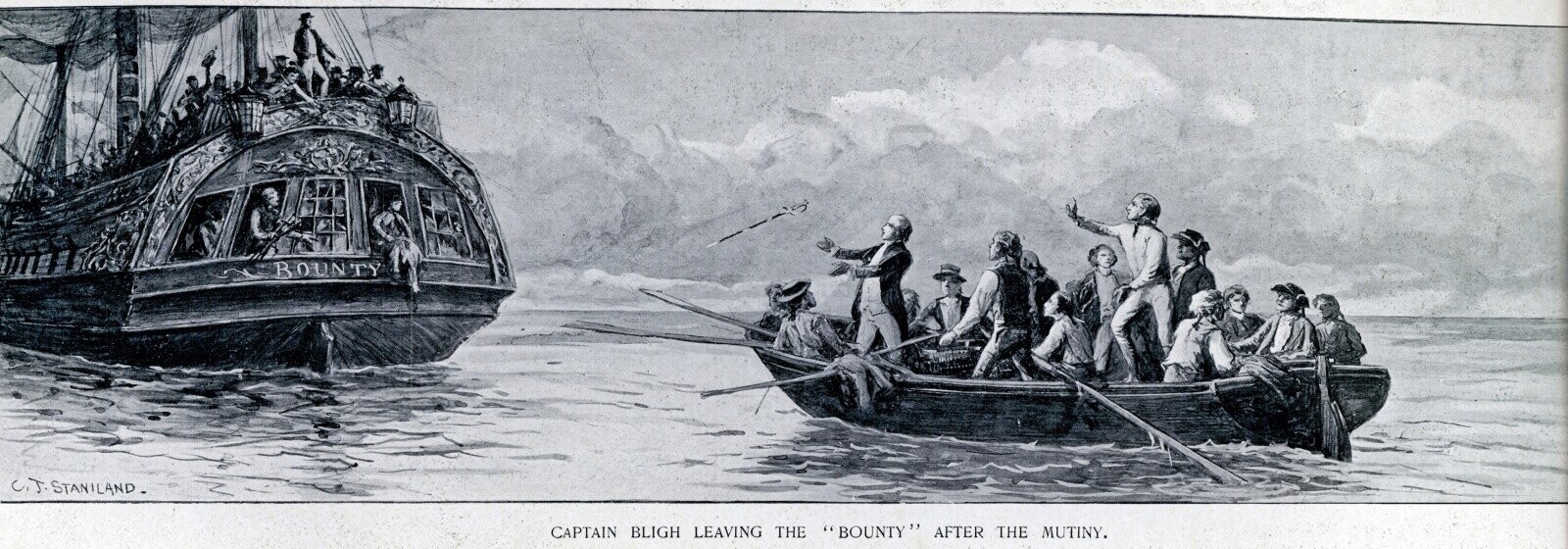
In 1789, Lieutenant Fletcher Christian led a mutiny on board the Bounty, leaving William Bligh and 18 men adrift on a launch. They traveled 4,000 miles in 47 days and reached land with minimal losses and a strong sense of justice towards the mutineers.
The Donner Party

Sometimes called the Donner–Reed Party, it was a group of American pioneers who migrated to California in a wagon train from the Midwest. They spent a winter stuck in the Sierra Nevada, where some members would resort to cannibalism to stay alive.
USS Nautilus
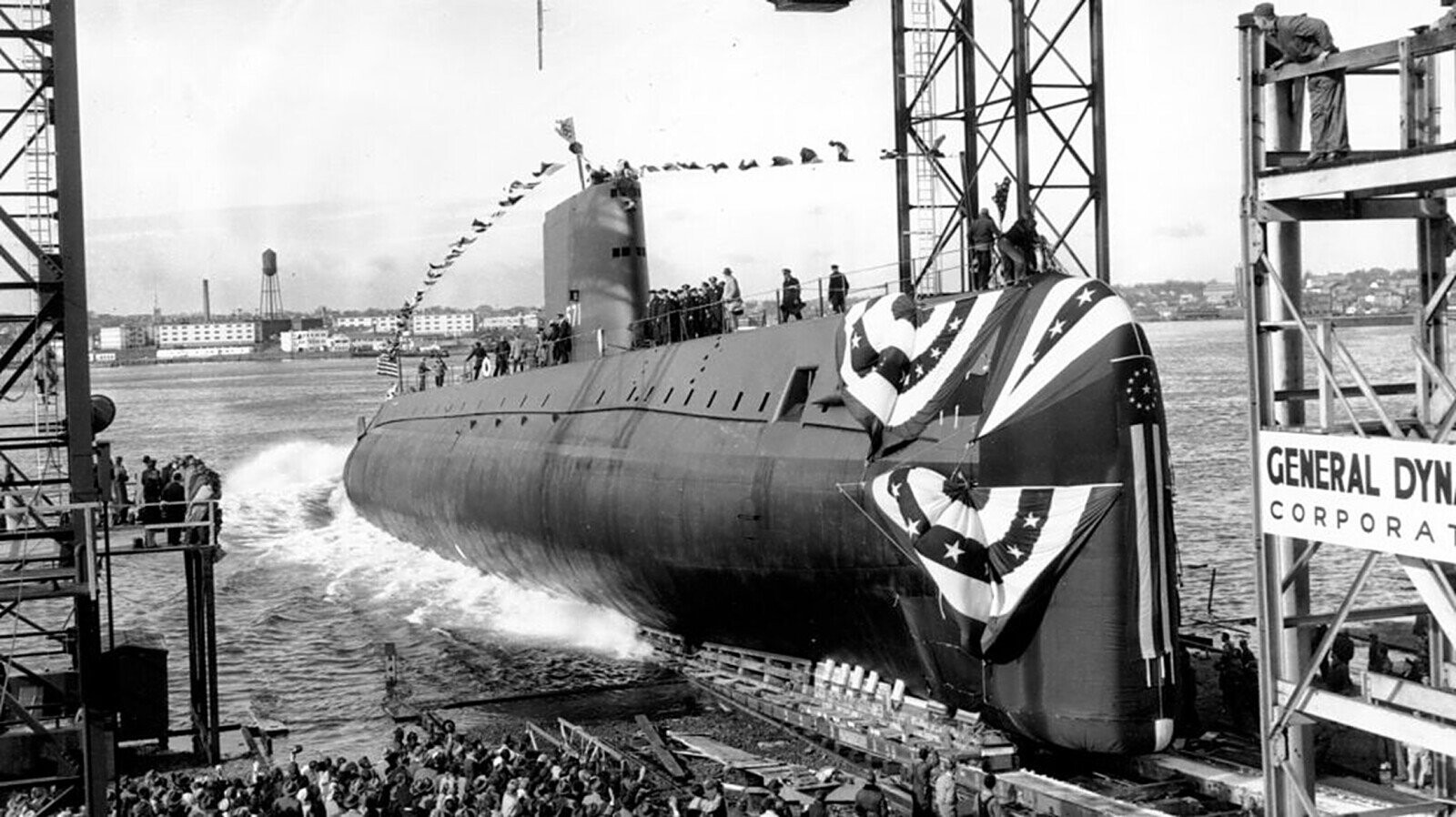
The USS Nautilus was the world's first nuclear-powered submarine, and the first submarine to explore the North Pole in 1958. This feat set the stage for many of the protocols for Nuclear Navy in the US while breaking world records on the go.
The Imperial Trans-Antarctic Expedition
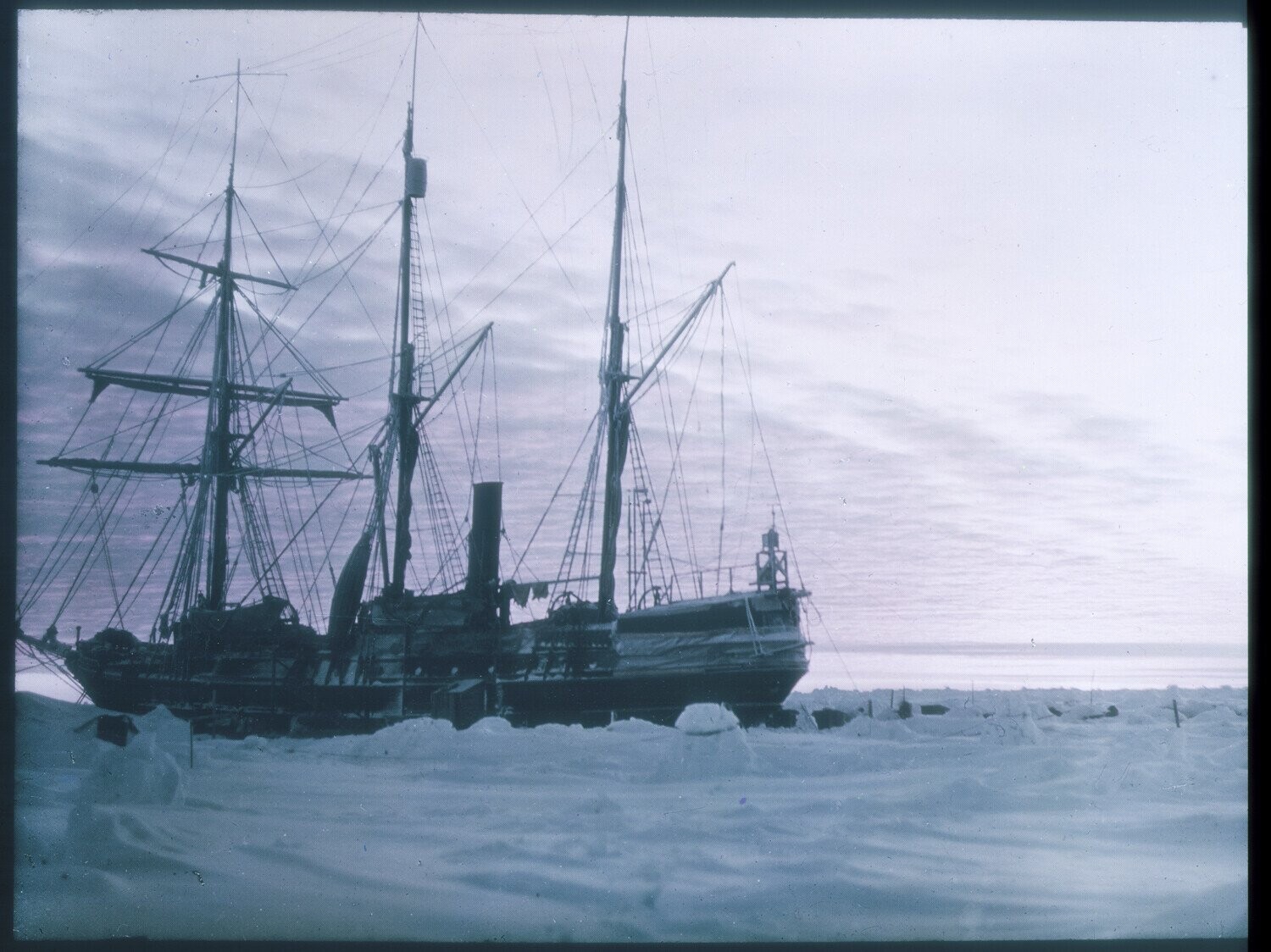
Sir Ernest Shackleton led the expedition, trying to make the first land crossing of the Antarctic continent. While the sailors failed in their quest and got their ship sunk in ice, the expedition is still recognized as a great feat and an example of Endurance, which is also the name of their ship.
Kon-Tiki
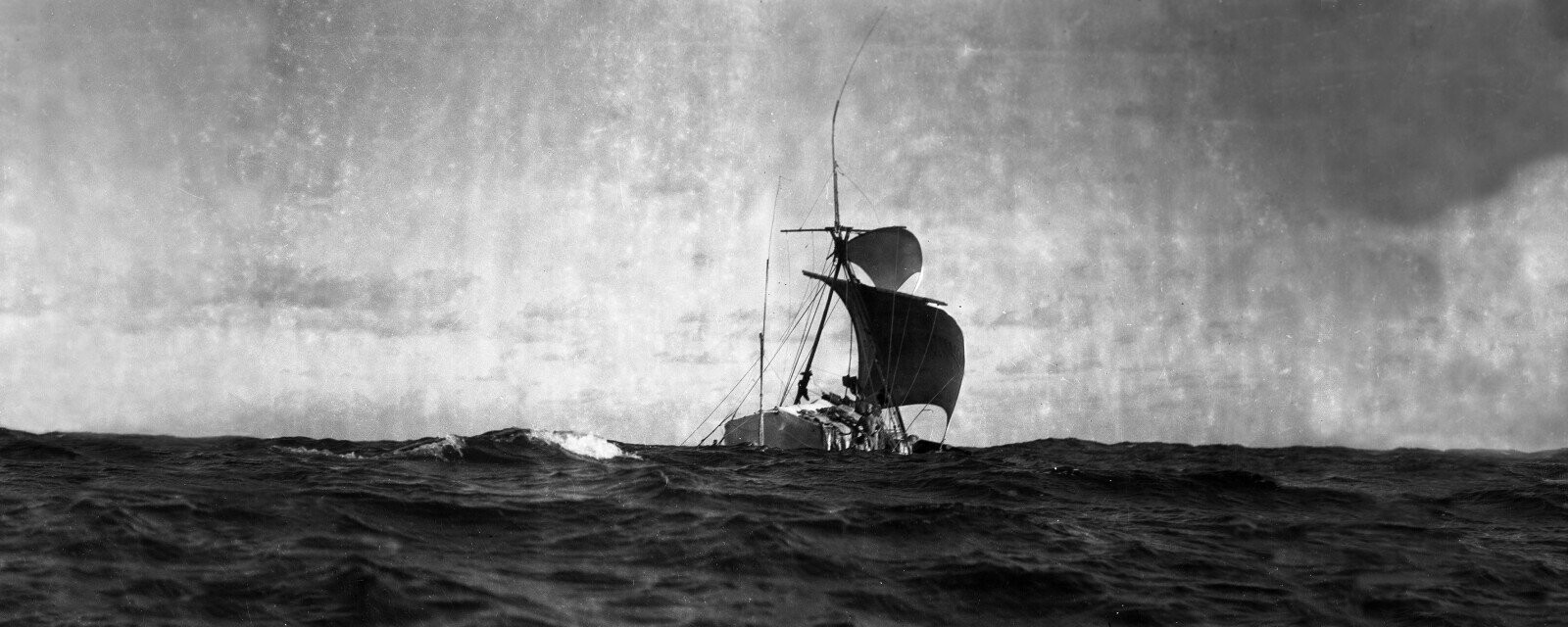
In 1947, Norwegian explorer and writer Thor Heyerdahl wanted to prove that ancient South Americans could have sailed to and settled the Polynesian islands. So with a small group of friends, they traveled by raft across the Pacific Ocean. Since it’s a fairly recent journey, there are documentaries and a movie adaptation you can check.
USS Indianapolis
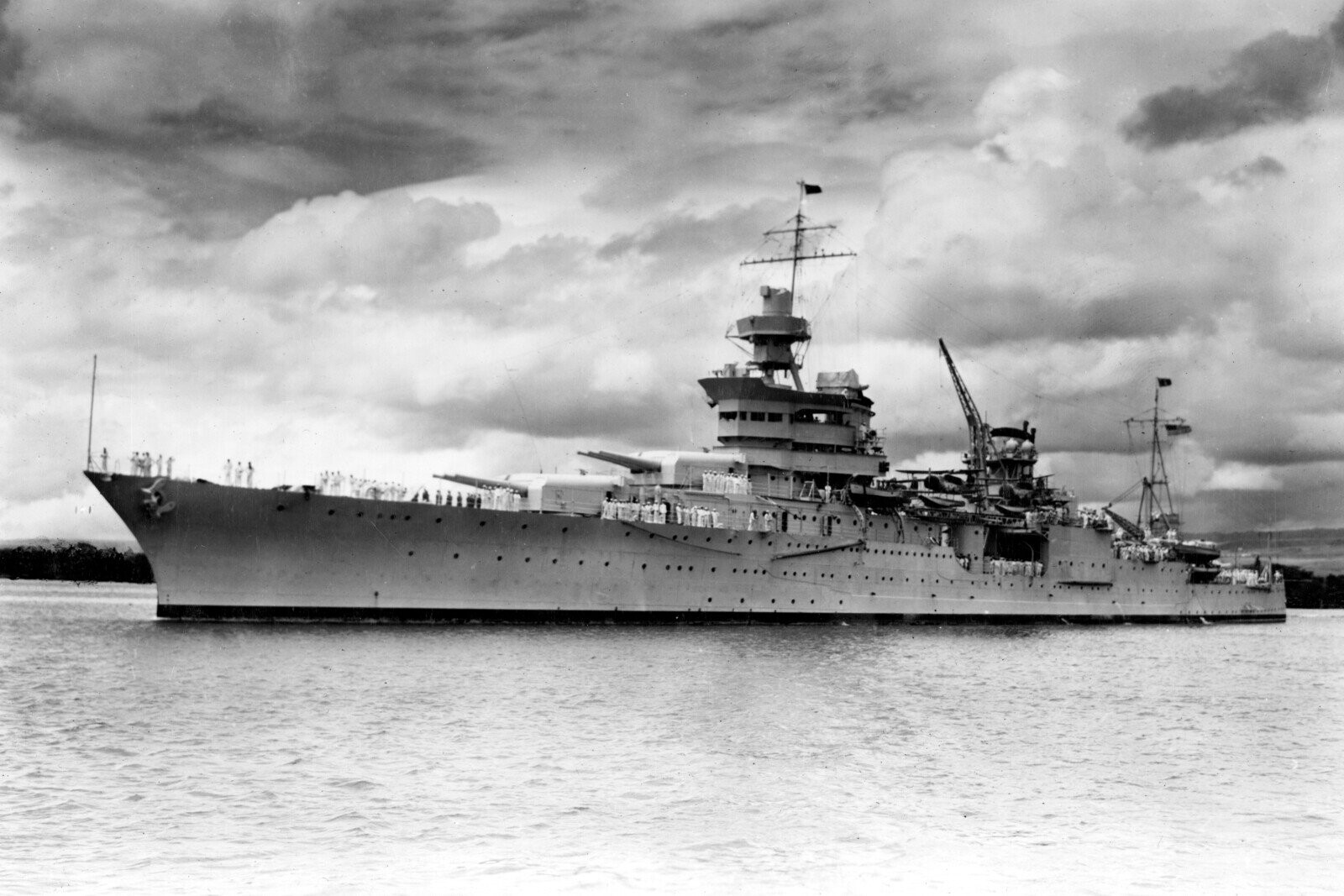
In July 1945, the USS Indianapolis delivered components for one of the atomic bombs, but was after attacked by a Japanese submarine, sinking and leaving hundreds of men in the water for days.
Uruguayan Air Force Flight 571
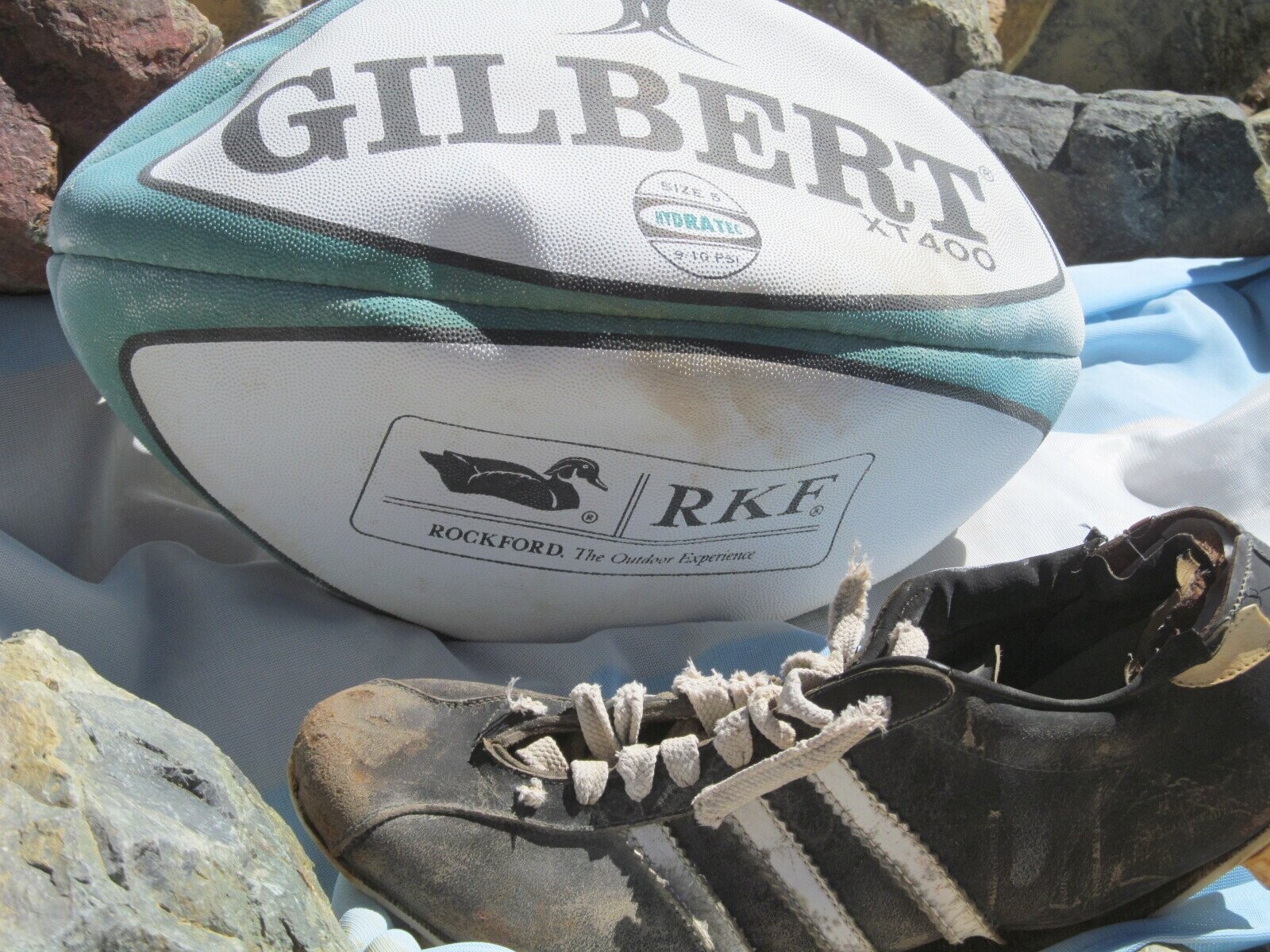
In 1972, a plane carrying a Uruguayan rugby team, their family, and friends crashed in a remote region of the Andes Mountains. Not everyone survived the crash, and those who did had to survive under extreme weather conditions and resort to cannibalism before they were rescued.
Hugh Glass expedition

During one of his fur-trading expeditions in 1823, Hugh Glass was attacked by a grizzly bear and left for dead by his companions. With no food or weapons, he tended to his wounds and crawl out of his predicament to crawl for miles to get help. His story of survival inspired movies like The Revenant (2015).
The Jeannette

Exploring the Arctic was a thing in the 1800s, and the USS Jeannette tried and failed like many others, getting stuck in the ice for two years. Once they were free, they crashed and sank, leaving very few survivors in extreme conditions. Only a few made it out alive to tell the tale.
Apollo 13
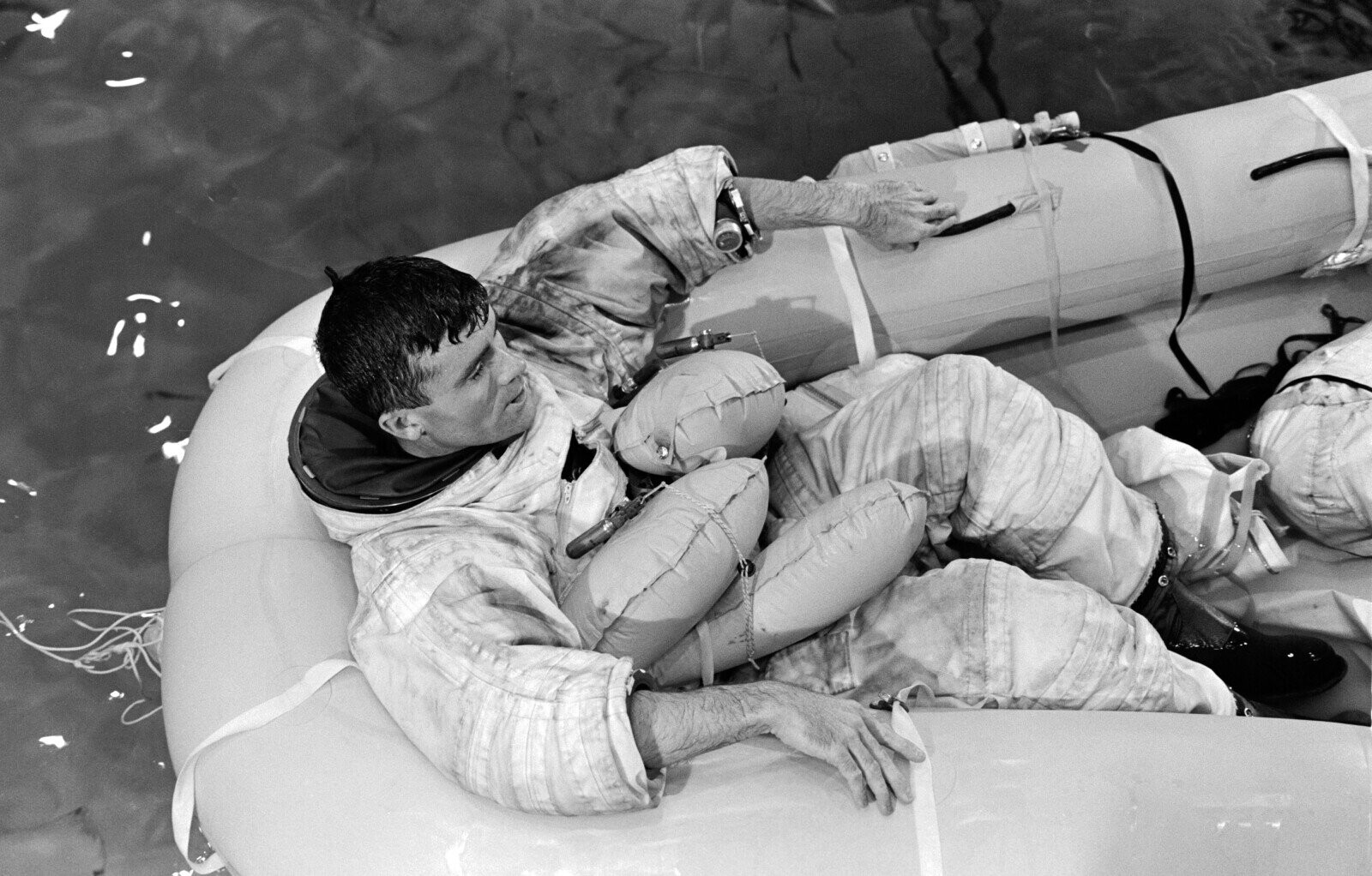
Although a different kind of ship, the Apollo 13 experienced technical difficulties when an oxygen tank exploded. The three-man crew had to work together with mission control to survive with what they had in space, which wasn’t much.
Ada Blackjack
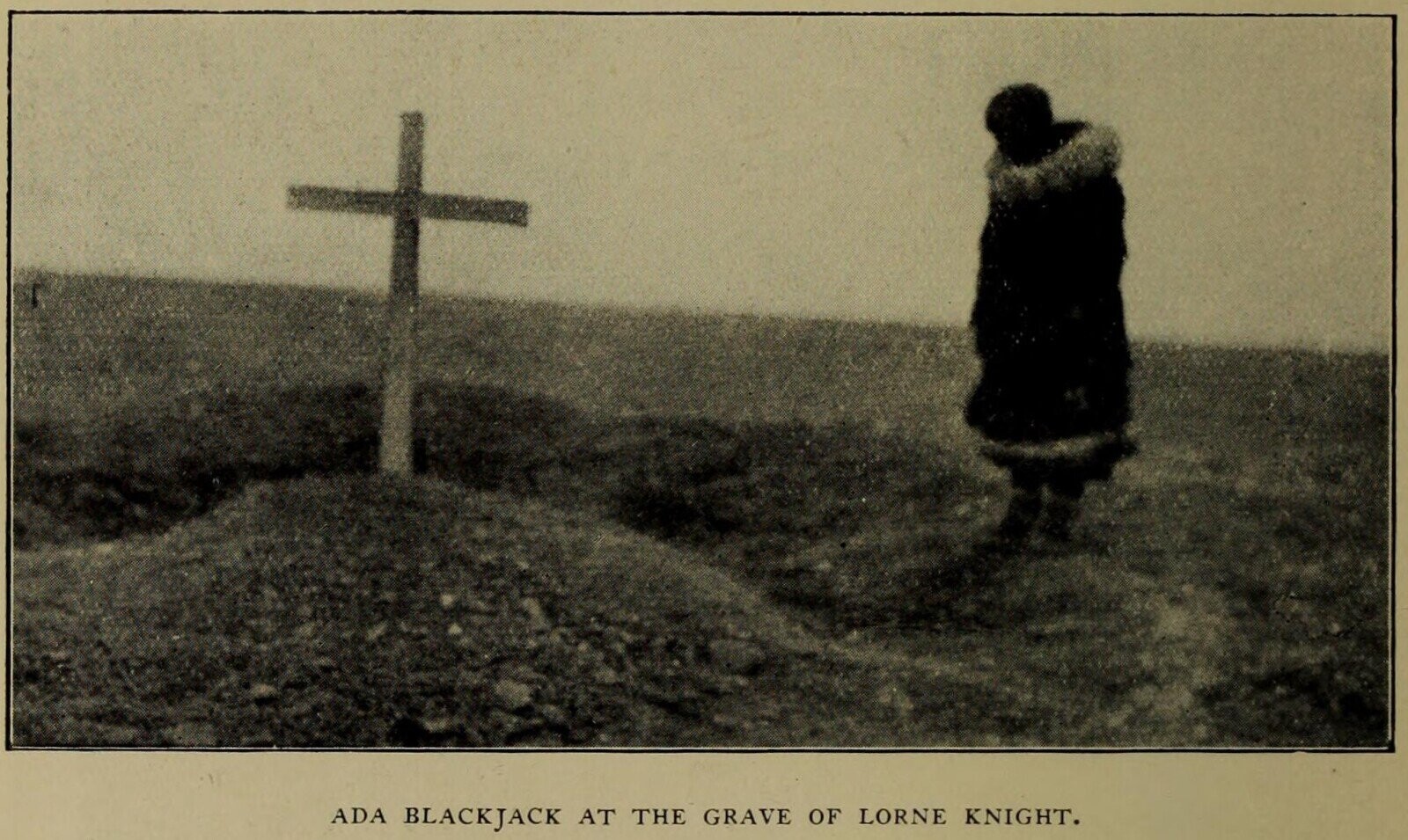
Ada Blackjack was an Iñupiaq woman hired to cook for explorers going on a small Arctic expedition to the uninhabited Wrangel Island, north of Siberia. Rations ran out quickly, and three of the five members went out for help but never returned. Ada Blackjack had to learn to hunt to survive, and was able to do it for more than a year before she was rescued.
Eastern Air Lines Flight 401

Eastern Air Lines Flight 401 left the JFK International Airport in New York and was headed to Miami, but it crashed into the Florida Everglades due to a series of events the crew couldn’t handle. Many people died instantly, but 75 passengers survived thanks to a group of volunteer fishermen and hunters that knew the waters and offered to help before it was too late.
LANSA Flight 508

In 1971, against her father’s advice, Juliane Koepcke and her mother boarded the LANSA Flight 508 in Peru, but never made it to their destination. The plane was struck by lightning and started to disintegrate in mid-air. Juliane Koepcke fell, still strapped to her seat, and miraculously survived the 10,000-foot fall. She then spent 11 days walking and sustaining various injuries until she found a lumberjack camp that helped her. It is said that more people survived the initial crash but died waiting for help.
