15 of History's 'Winners' Who Really Just Got Lucky

History loves a good story about winners. Problem is, “winning” often came from dumb luck, not skill, courage, or genius. People stumbled into crowns, Nobel Prizes, or headlines without breaking a sweat, while others worked tirelessly and got nothing.
Generals tripping into victories, inventors whose “discoveries” were accidents, or athletes pulling off plays nobody planned, all masters of fortunate timing. A ridiculous twist, a lucky bounce, or being in the right place at the right moment could make anyone famous overnight. Merit barely involved, yet history celebrates them anyway.
Accidental champions, rulers of randomness, and unexpected legends, living proof that fate sometimes writes history instead of effort.
James W. Marshall, 1848
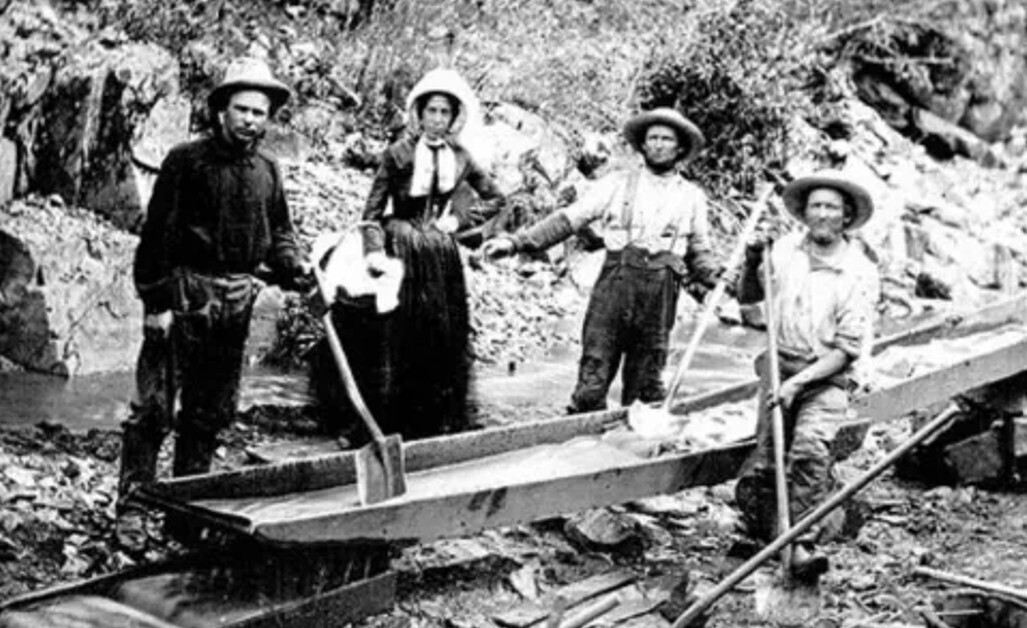
Glimmering gold flakes appeared while building a sawmill, igniting the California Gold Rush.
Robert the Bruce, 1314
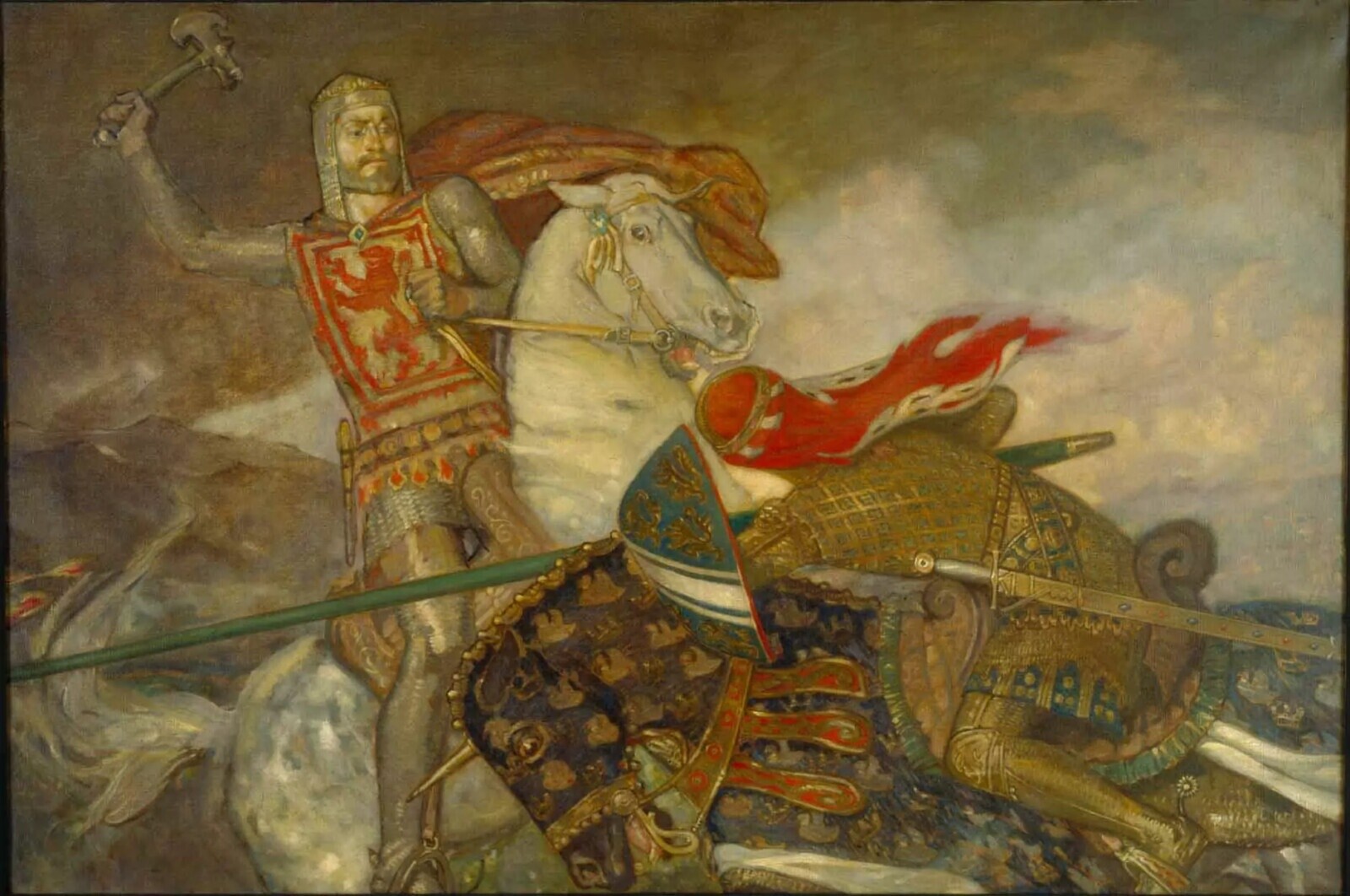
Dodging a reckless knight, he killed him and lifted Scottish morale before Bannockburn.
George Washington, 1781
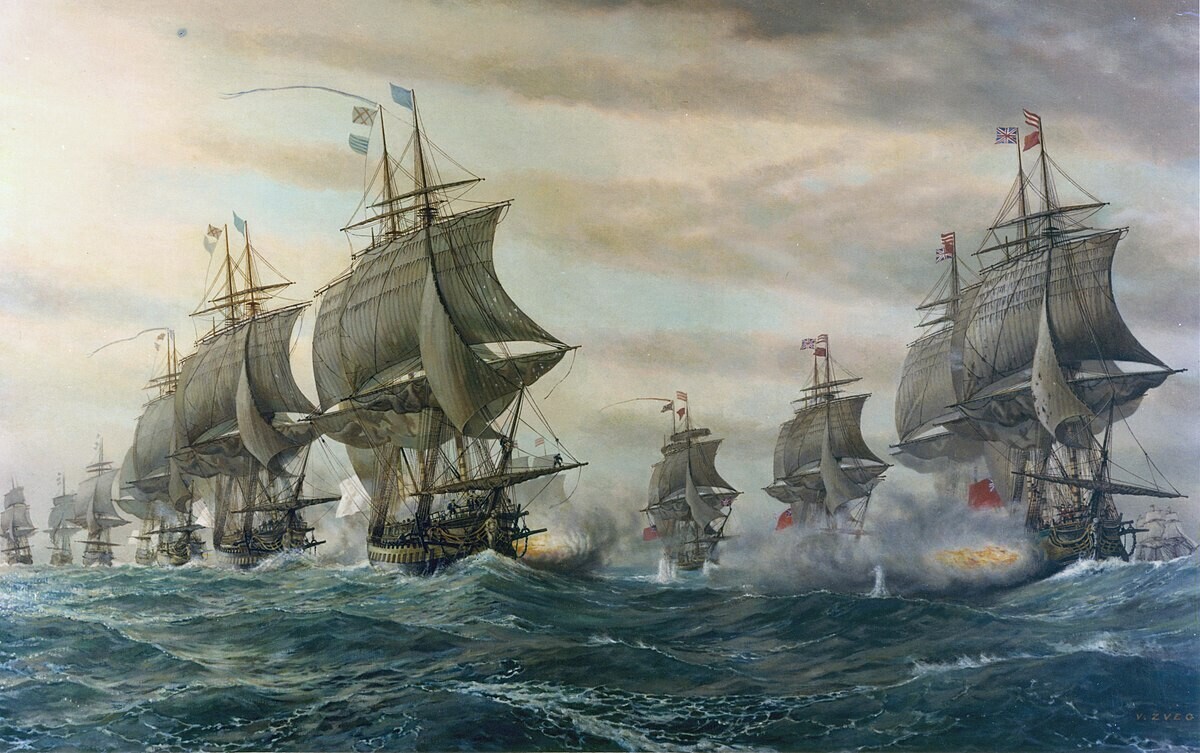
Fog and the timely French fleet blocked reinforcements, ensuring victory at Yorktown.
Bill Gates, 1980
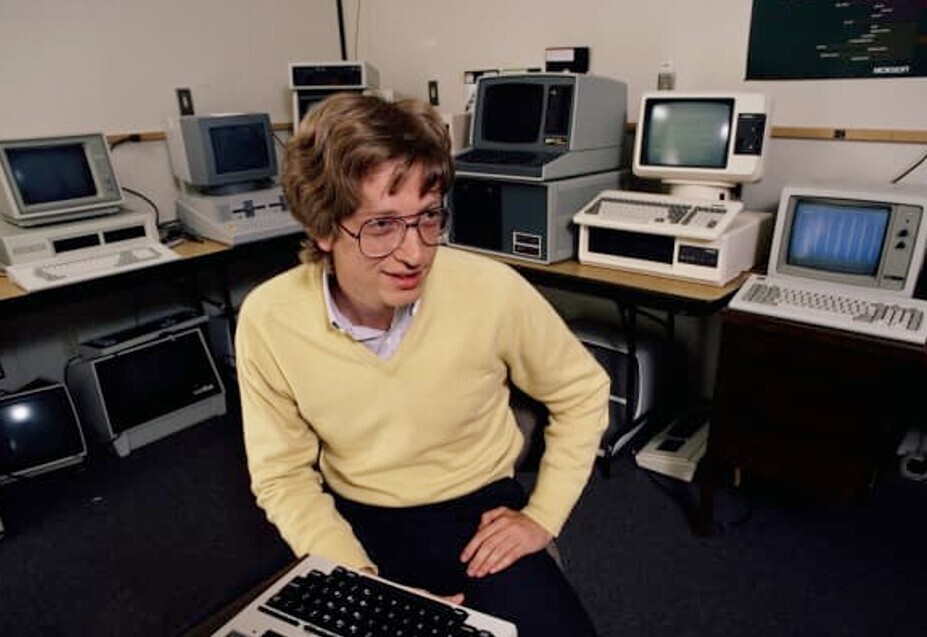
IBM missed Kildall, leaving Gates to snatch QDOS and create MS-DOS out of thin air.
Charles Goodyear, 1839
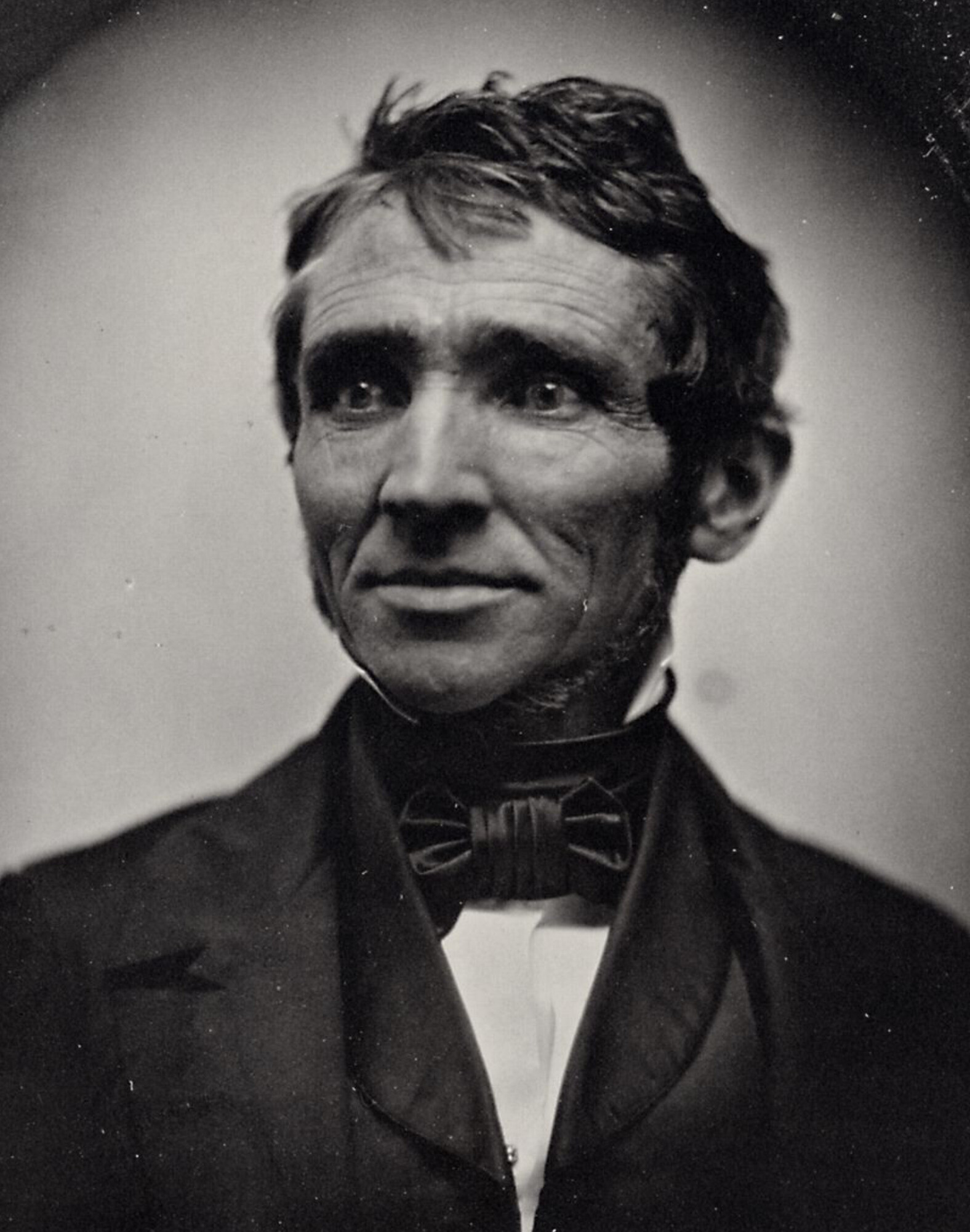
Sulfur and rubber fell on a hot stove, inventing vulcanized rubber by sheer luck.
Ramses II, ca. 1274 B.C.
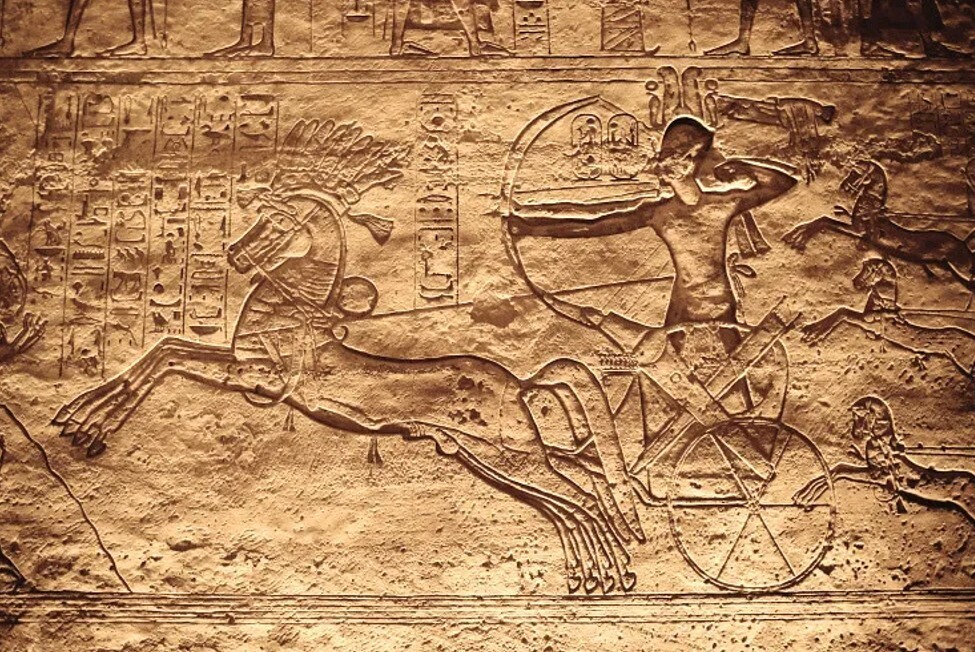
A delayed division arrived just in time, rescuing his army from total destruction.
Cyrus the Great, c. 550 B.C.
Enemy generals defected mid-battle, handing him a decisive win at Pasargadae.
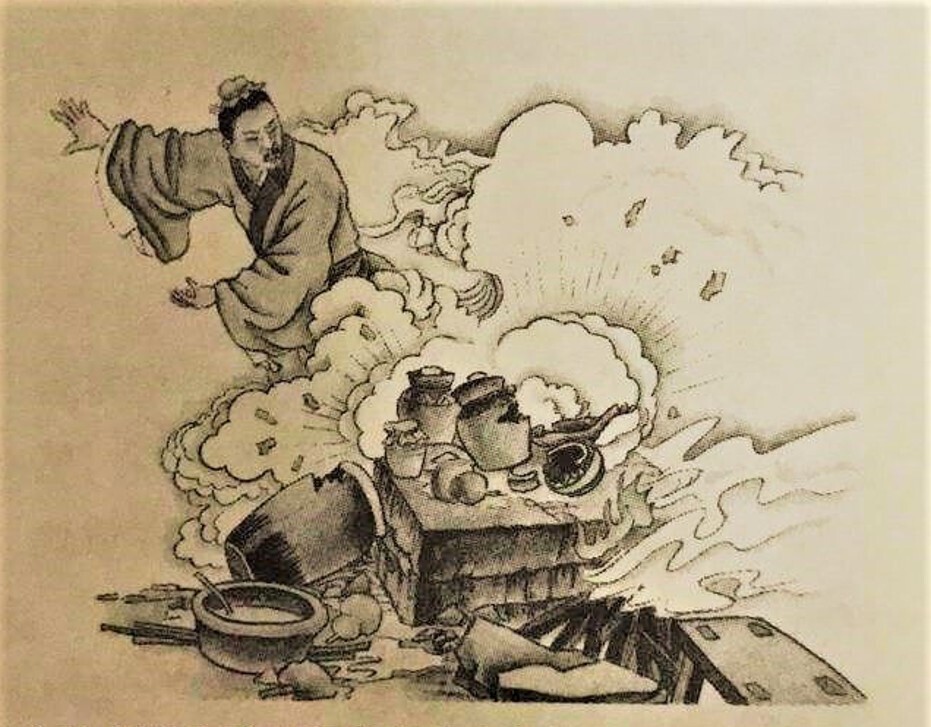
Chinese Alchemists, 9th c.
Attempts at immortality accidentally produced gunpowder, forever changing warfare.
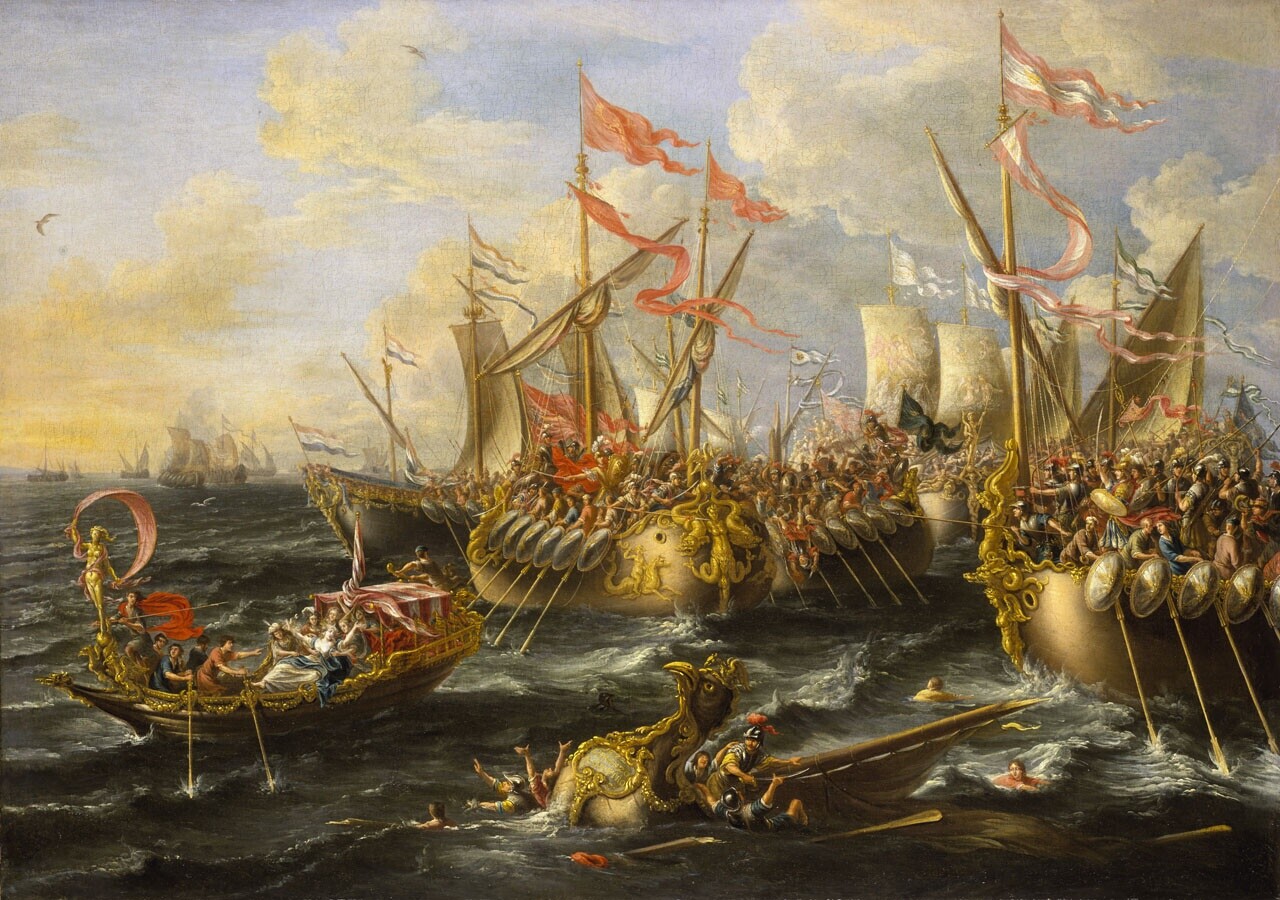
Octavian, 31 B.C.
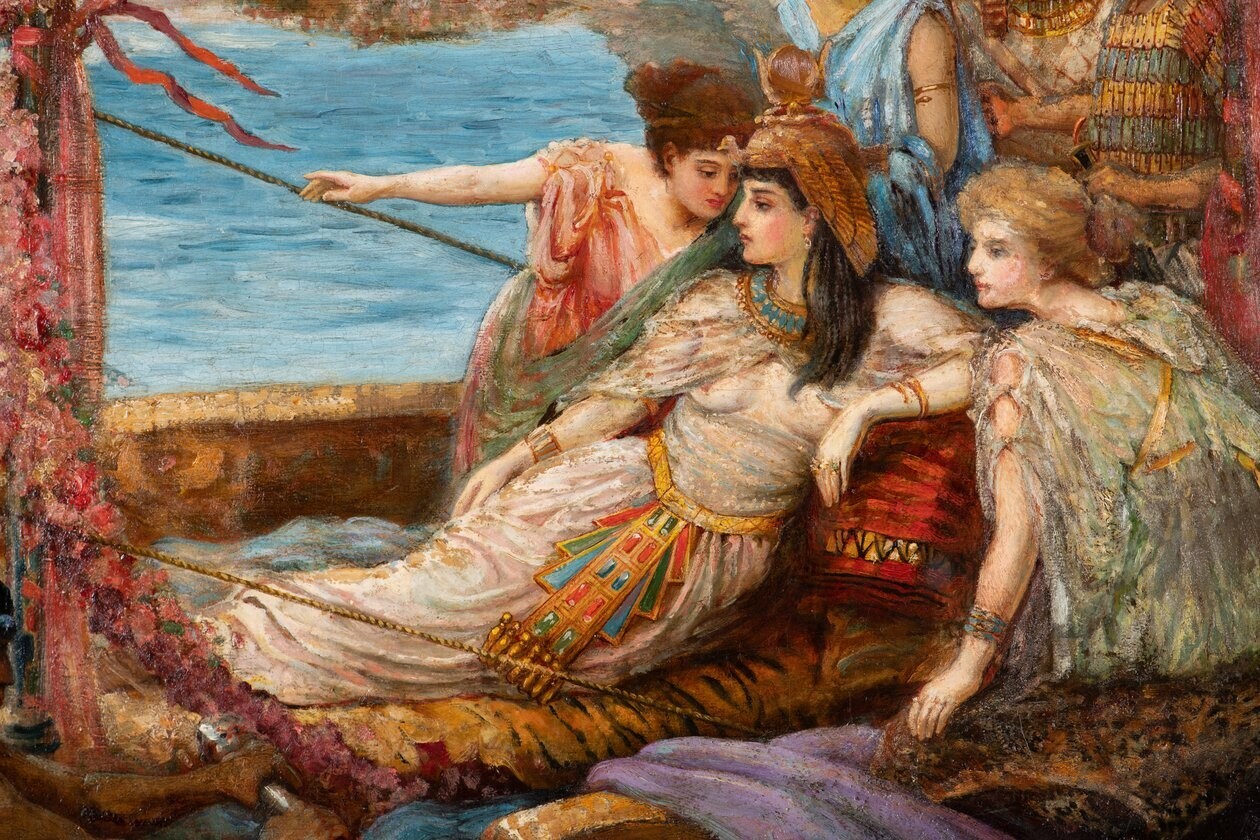
Cleopatra’s hasty escape and the wind’s favor turned a lopsided fleet into victory.
Percy Spencer, 1945
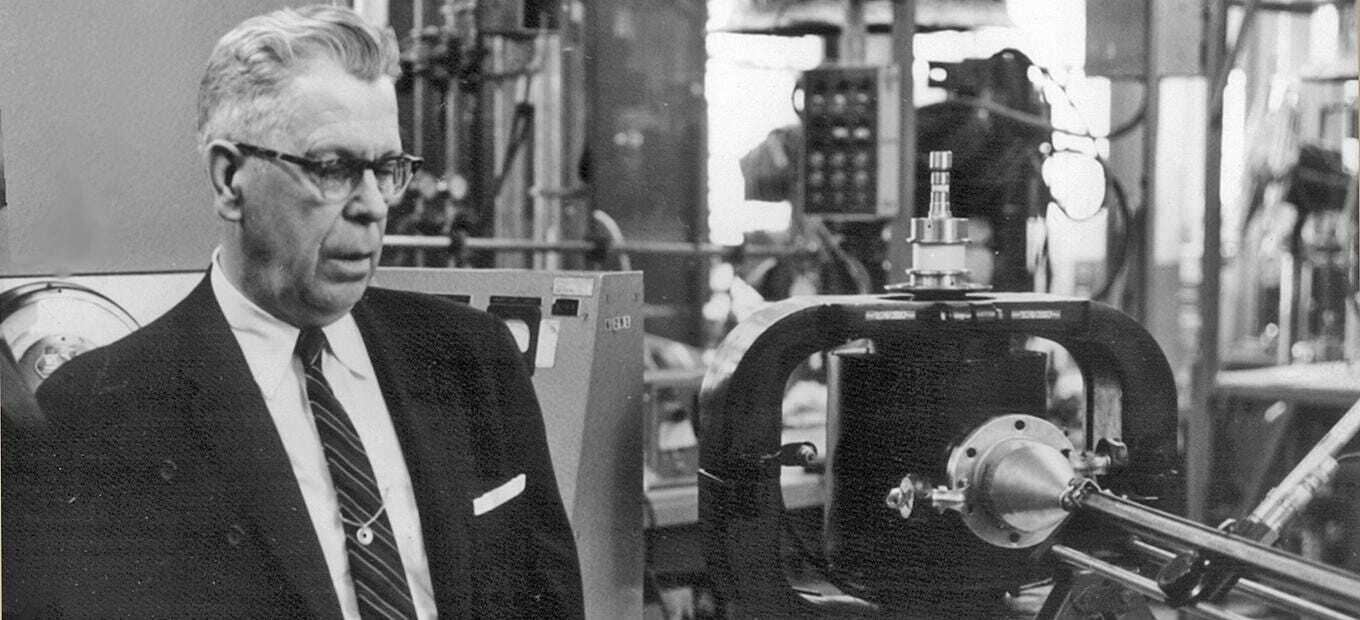
A chocolate bar melted from stray radar energy, inspiring the invention of the microwave.
Hittite Empire, ca. 1200 B.C.
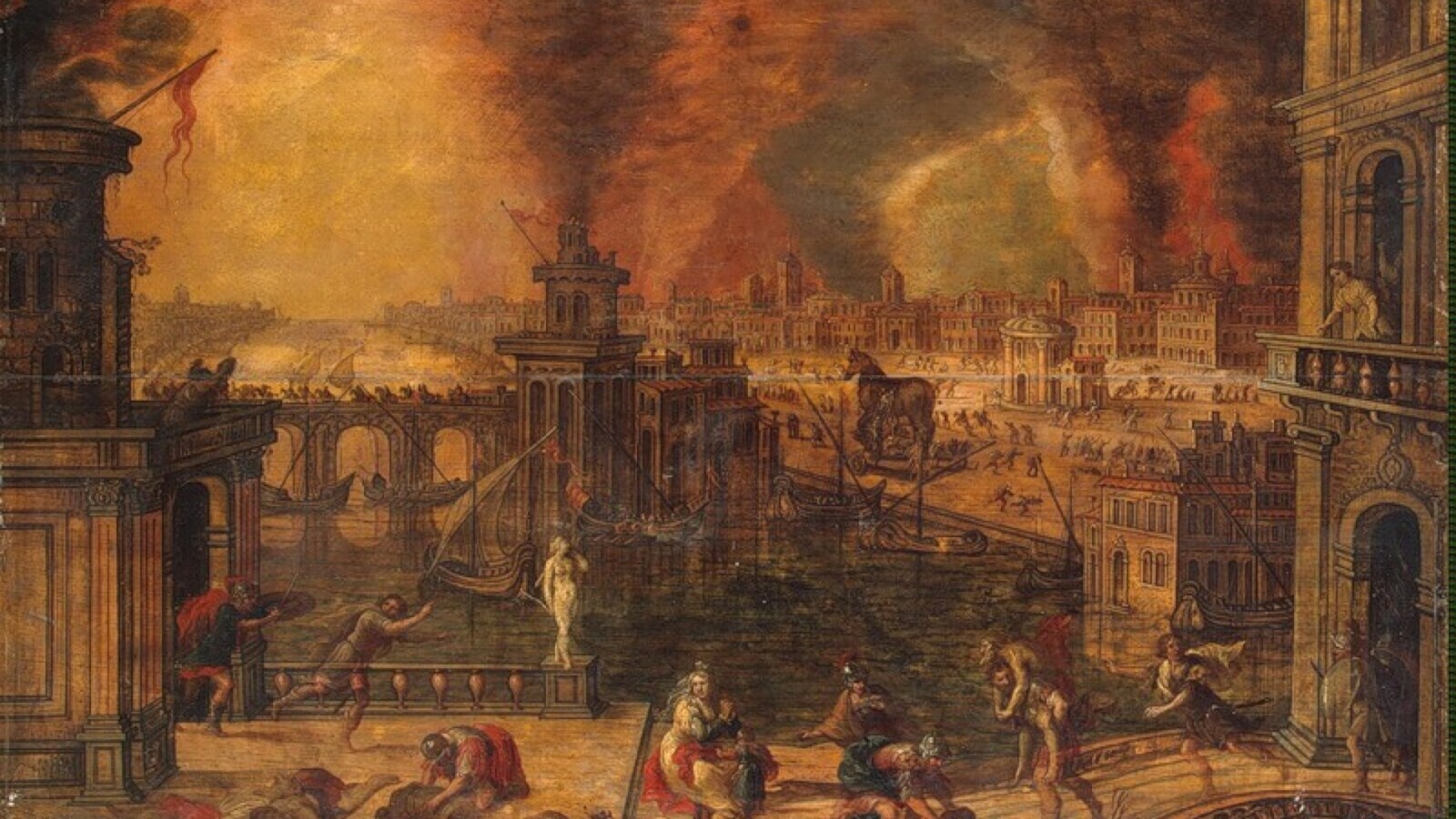
Decades of brutal drought destroyed one of the Bronze Age’s mightiest powers without battle.
Diego Maradona, 1986
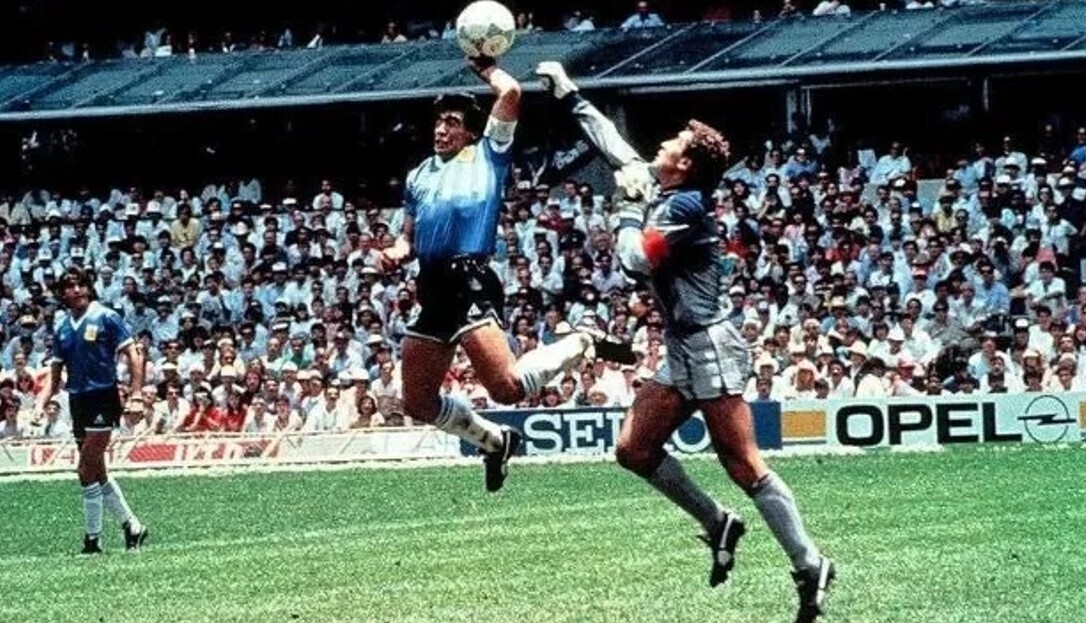
A blatant handball turned him into a national hero and political figure after the Falklands War.
Christopher Columbus, 1492
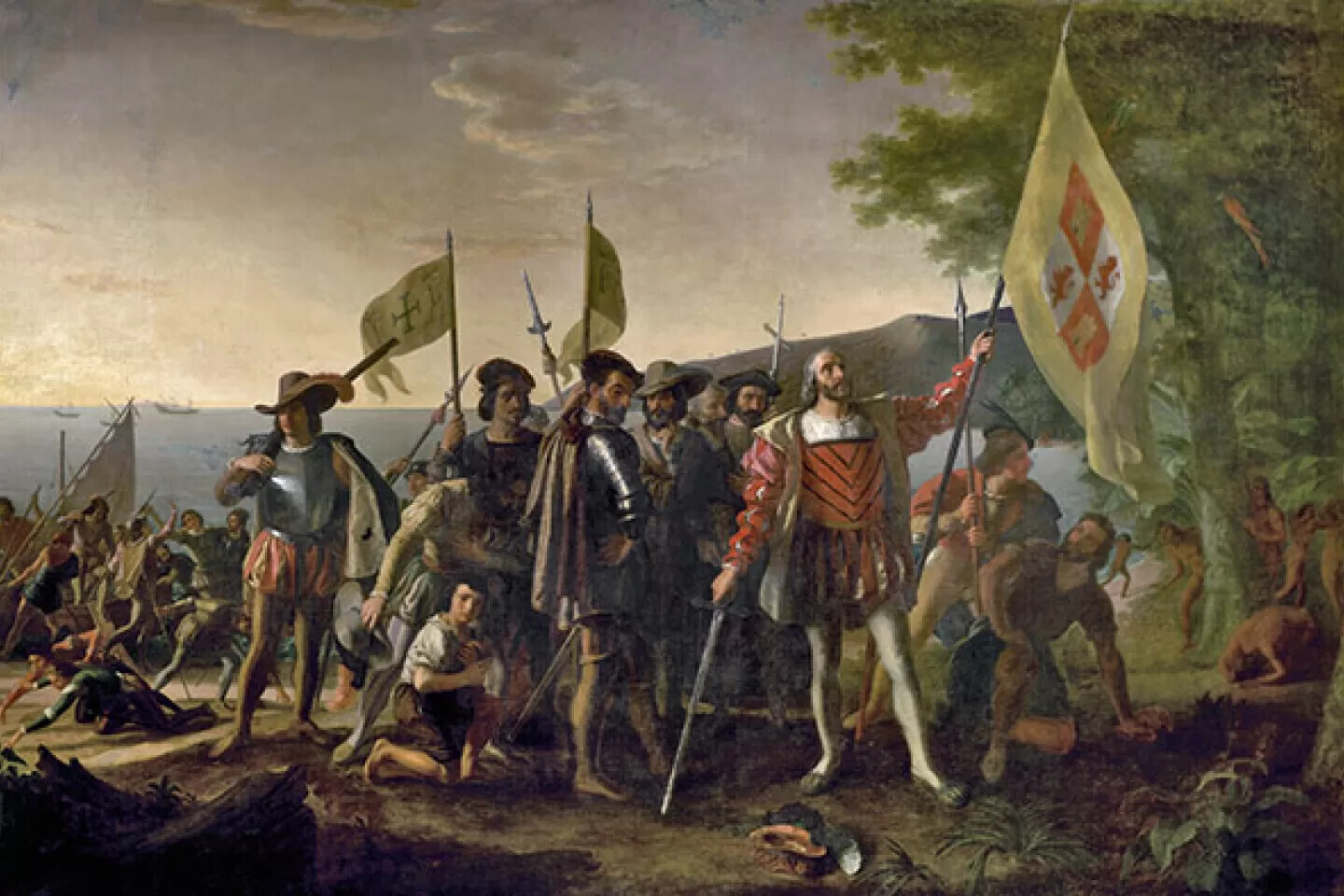
If the Americas hadn’t appeared where he miscalculated, starvation would have claimed the crew.
Alexander Fleming, 1928
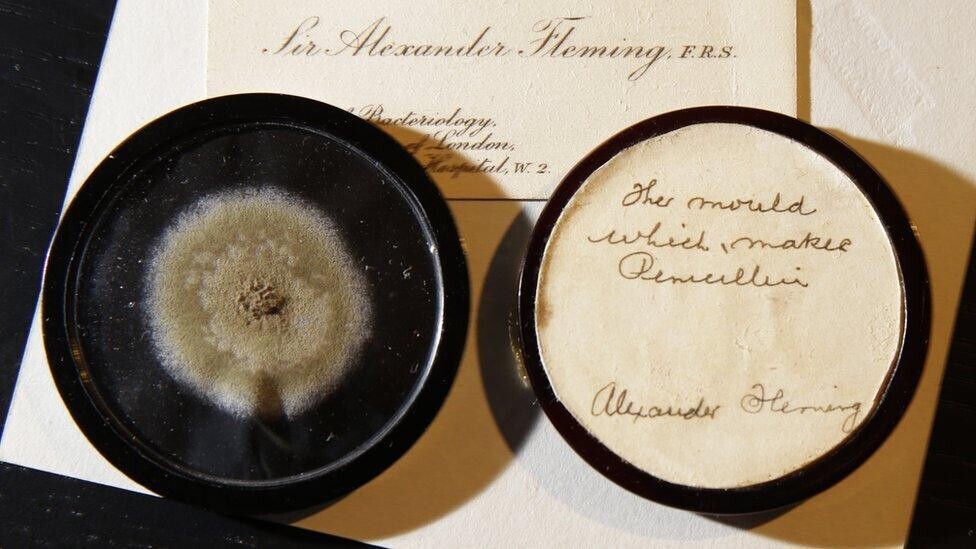
Airborne mold contaminated an open Petri dish, accidentally creating the first penicillin.
Albert Hofmann, 1943
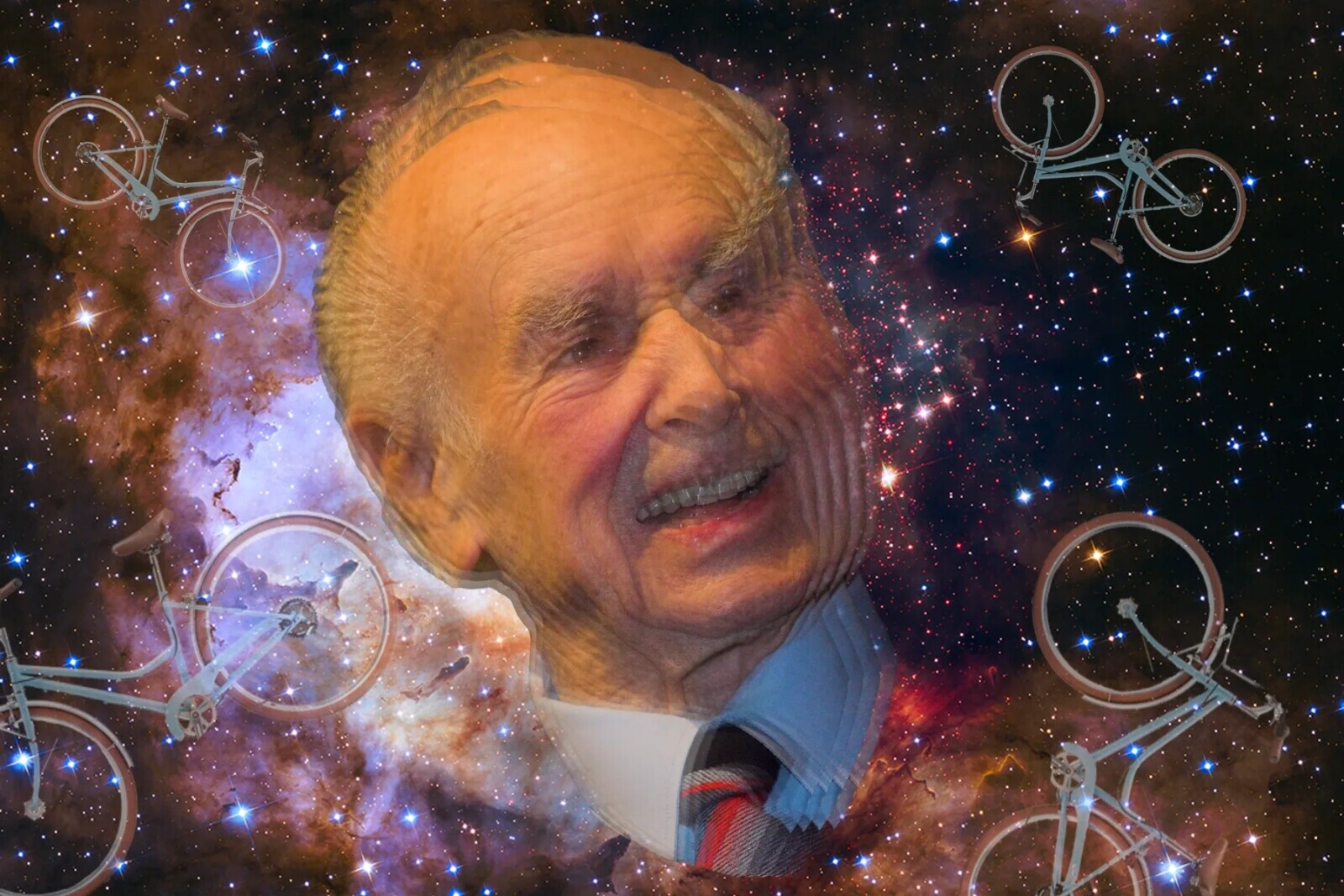
Accidentally absorbing LSD through his skin sparked the first “Bicycle Day” trip.
