12 People Who Accidentally Changed History
History loves to pretend it runs on grand plans, but most turning points begin because someone wasn’t paying attention. A spilled drink, a wrong door, a shrug at the worst possible time. Humanity is powered by the world’s clumsiest form of accident.
Regular people have sparked revolutions by mishearing instructions or pressing buttons they assumed were decorative. Some even reshaped global politics because they tried to do something simple and failed spectacularly. That’s the secret engine behind half our species’ progress.
So this is a tribute to the accidental trailblazers who changed everything while just trying to get through their day.
Sergeant Robert E. Lee, 1859
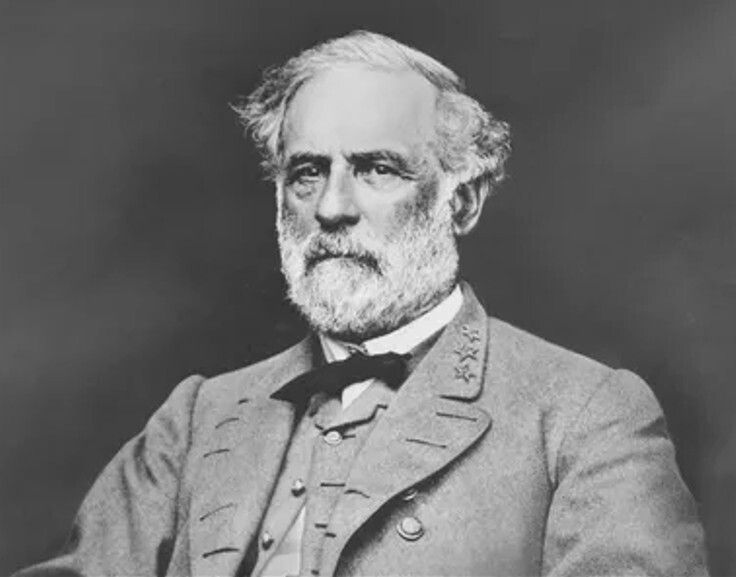
In Harpers Ferry, a misread aide gesture prompted a harsher military response during the John Brown raid.
Homer Dudley, 1937
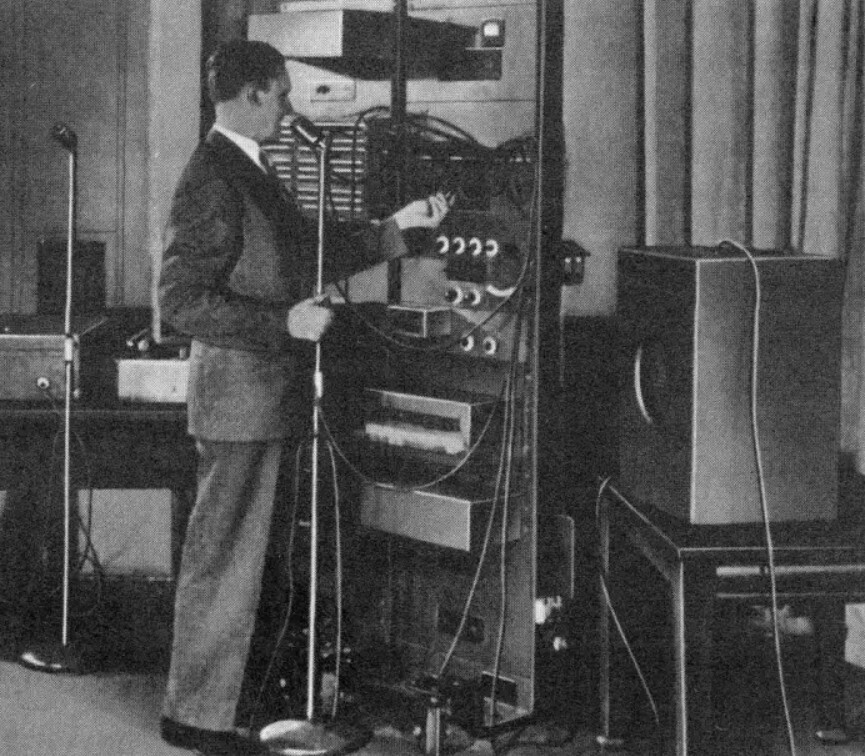
At Bell Labs, Dudley’s Voder generated unplanned electronic tones, laying groundwork for voice synthesizers and electronic music.
Teenagers and Robot, 1940

Chasing their dog Robot near Montignac, they discovered a hole that opened into Lascaux’s prehistoric cave paintings.
Naismith’s Wife, 1891
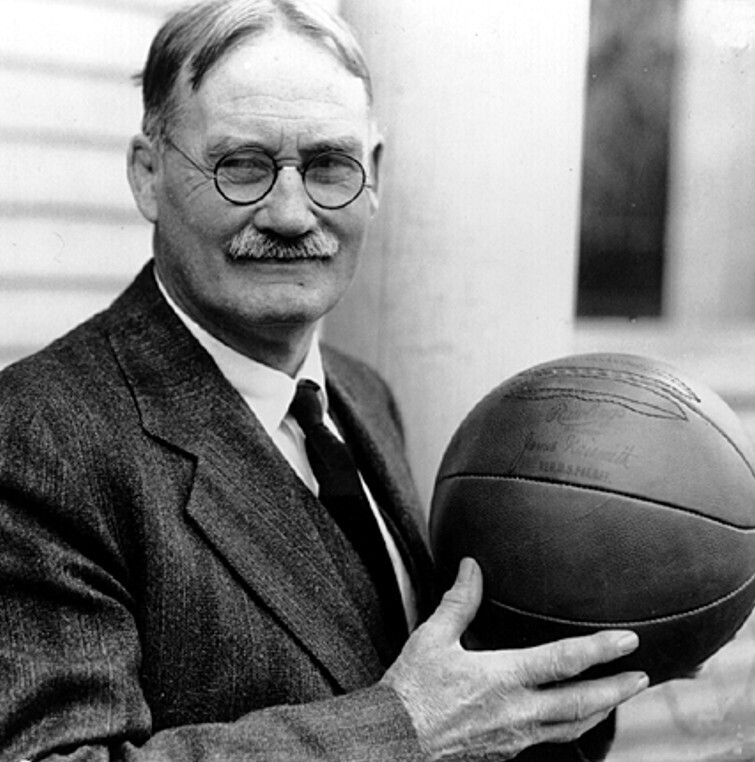
Tired of ladder breaks in Springfield, she suggested cutting peach basket bottoms, changing basketball’s rules permanently.
Stephanie Kwolek, 1965
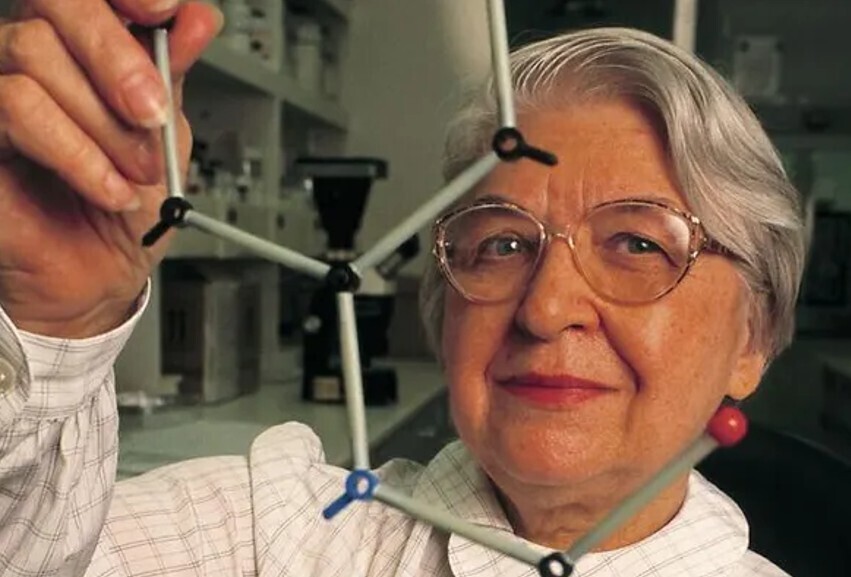
Kwolek’s cloudy polymer solution at DuPont Delaware spun into unexpectedly strong fibers later branded Kevlar.
Frank Epperson, 1905
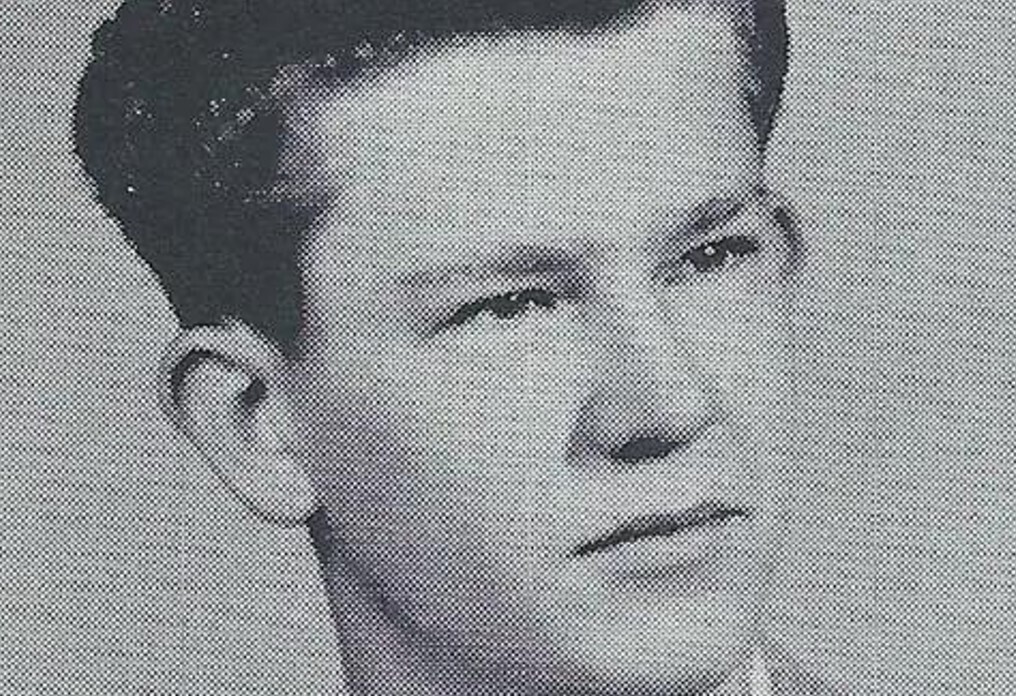
Leaving sugary water with a stick on a San Francisco porch overnight froze into the first popsicle.
George Crum, 1853
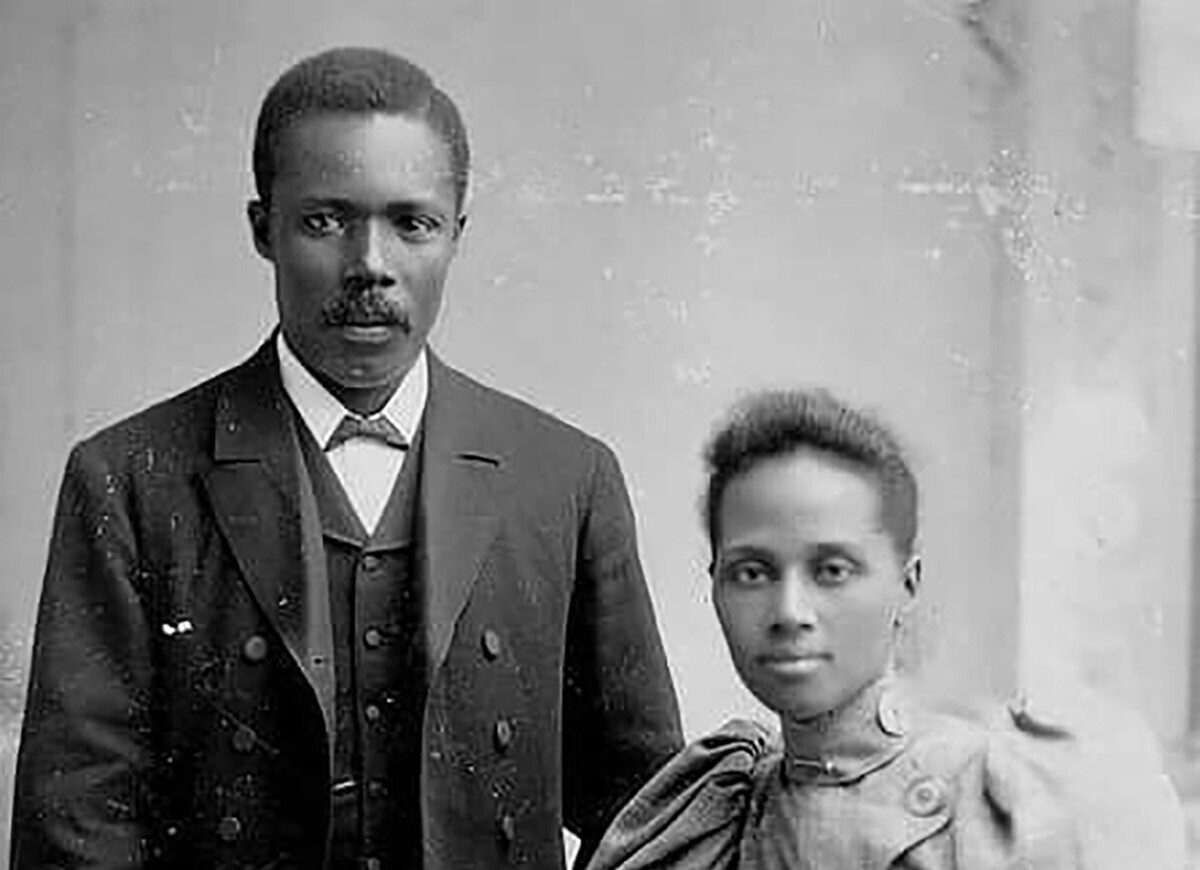
An irritated chef in Saratoga Springs sliced potatoes paper thin, inventing the potato chip by accident.
Charles Goodyear, 1839

Dropping rubber mixed with sulfur onto a hot stove in Woburn produced vulcanized, heat-resistant rubber instead of melting.
Percy Spencer, 1940s
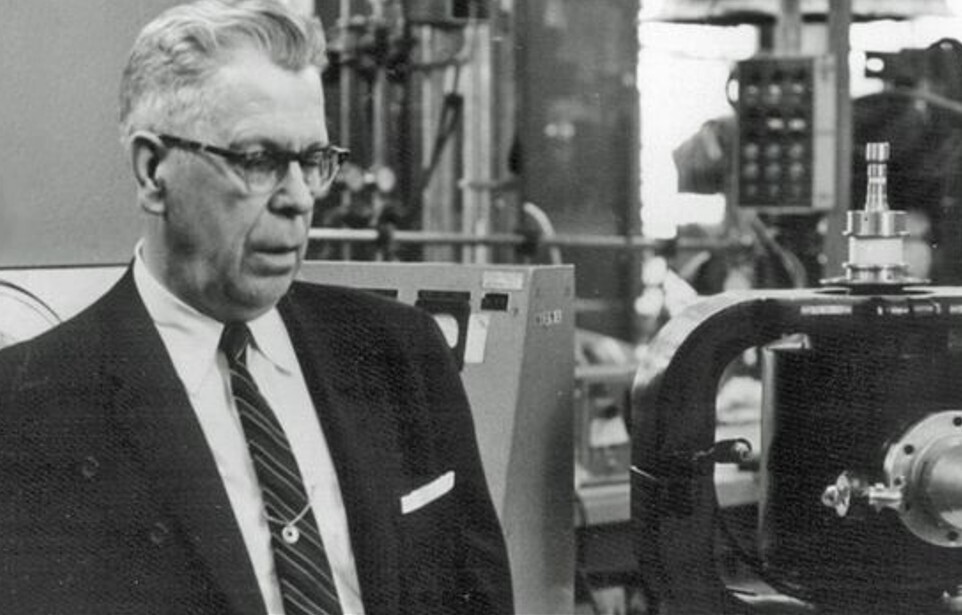
While testing a magnetron at Raytheon in Massachusetts, melted chocolate in his pocket hinted at microwaves.
Archduke’s Driver, 1914
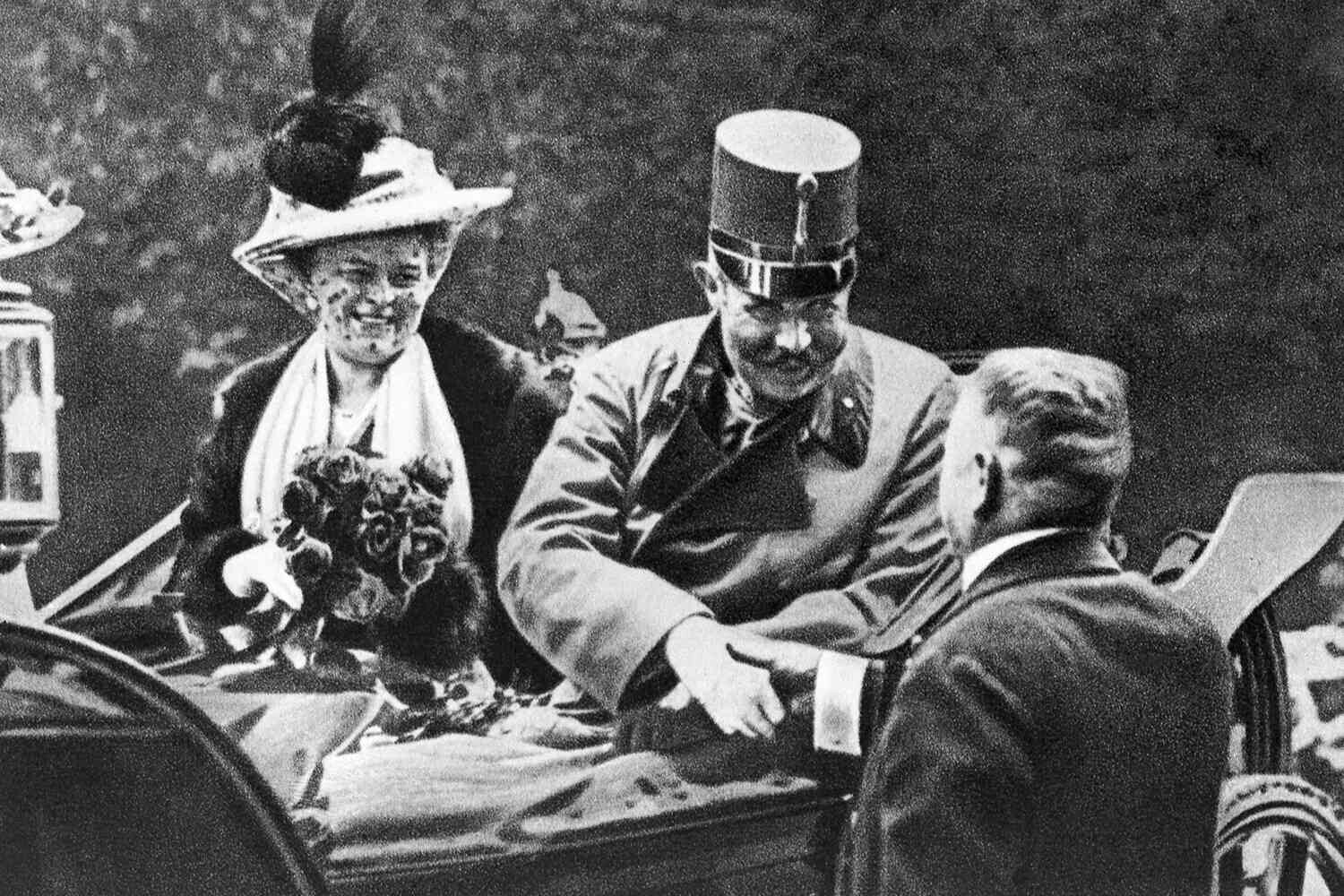
A wrong turn in Sarajevo stopped the car beside Princip, enabling the Archduke’s assassination and World War I.
Günter Schabowski, 1989
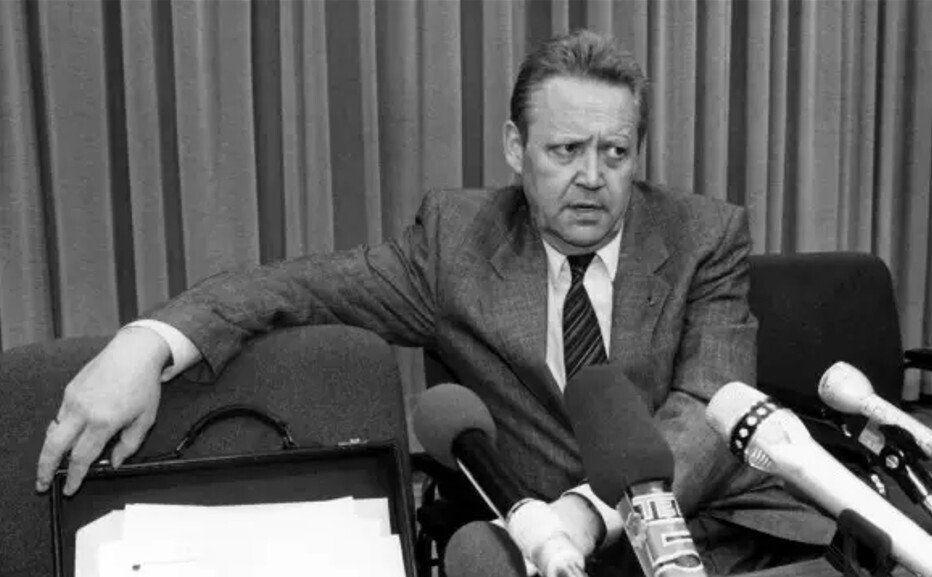
Misreading a press briefing in East Berlin, he accidentally announced immediate travel, triggering the Wall’s opening.
Alexander Fleming, 1928
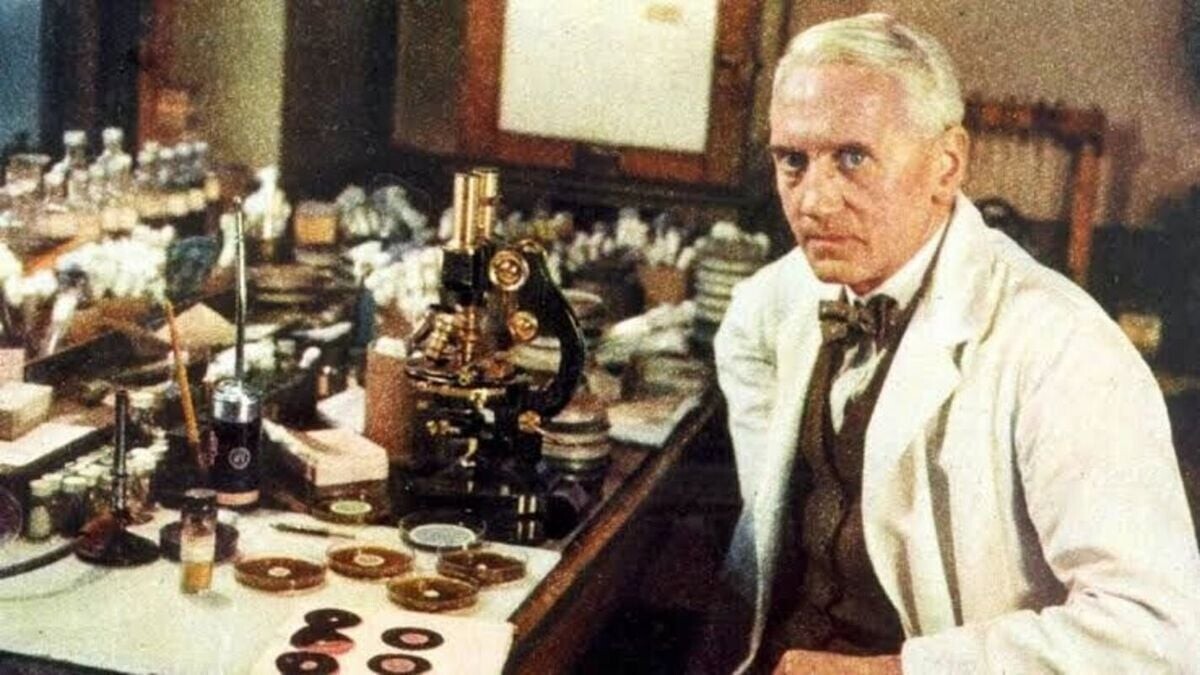
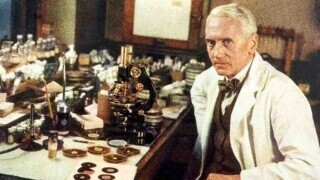
An open Petri dish in his London lab picked up mold spores, leading to penicillin’s discovery.
