Classic Aerial Monsters That Broke the Sky
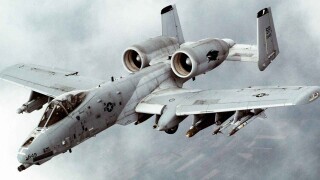
Every generation built at least one flying machine that seemed specifically engineered to terrify anyone standing within a five-mile radius. The sky has always belonged to the loudest monster, whether it was a jet that outran its own mistakes or a helicopter that shook like it was trying to escape itself.
Some of these classics shaped wars. Others just shaped the budget reports of very tired mechanics. A few existed purely to prove the atmosphere could, in fact, be bullied.
Anyone who loves hardware with too much confidence and not enough stability will feel right at home with these legendary aerial troublemakers.
EA-6B Prowler, 1971
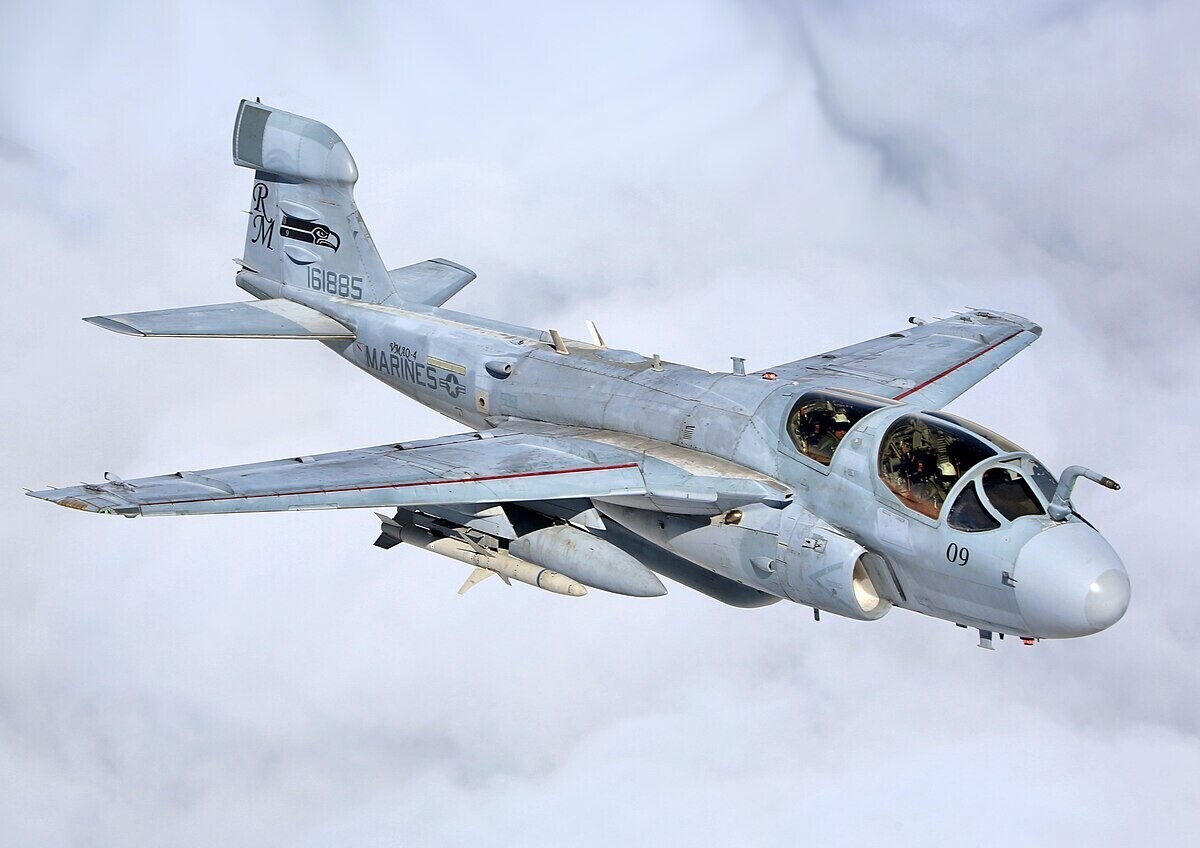
Equipped for electronic warfare, the aircraft disrupted enemy systems while carrying a four-person crew.
Dassault Rafale, 2001
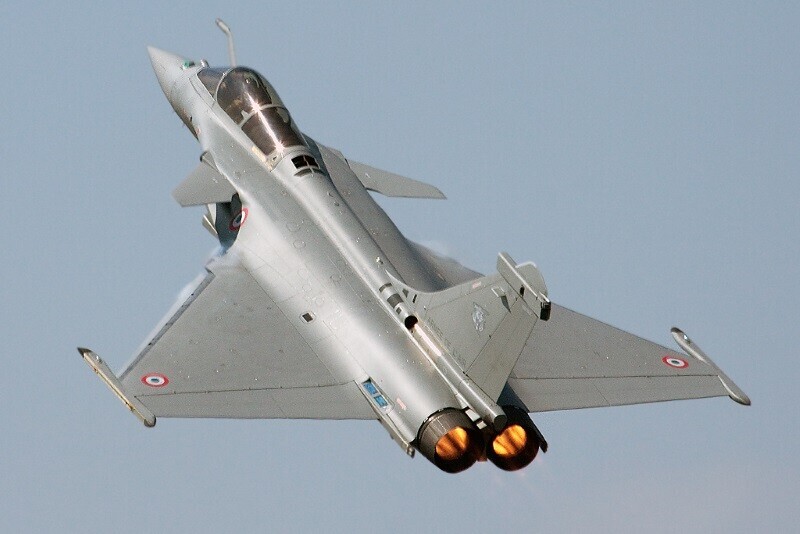
Employing a delta-canard layout, the French jet offered high agility and broad combat capability.
F-16 Fighting Falcon, 1978
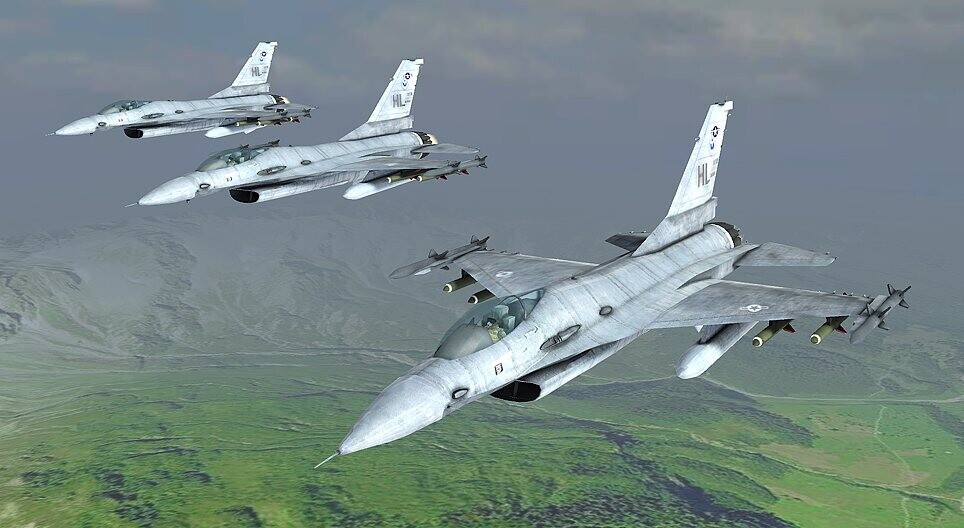
Known for responsive controls, the lightweight fighter excelled in multirole missions.
XB-70 Valkyrie, 1964
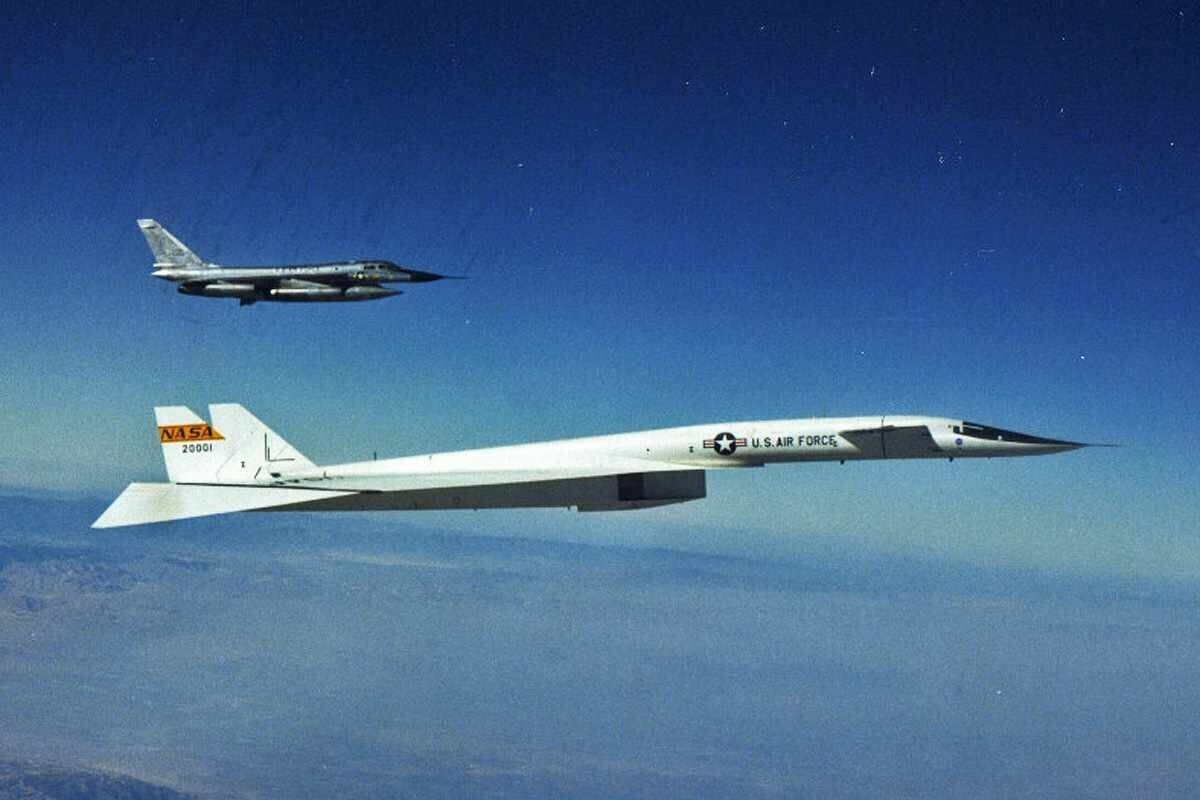
Intended to reach Mach 3, the experimental bomber pushed aerodynamic design to extremes.
Mi-24 Hind, 1972
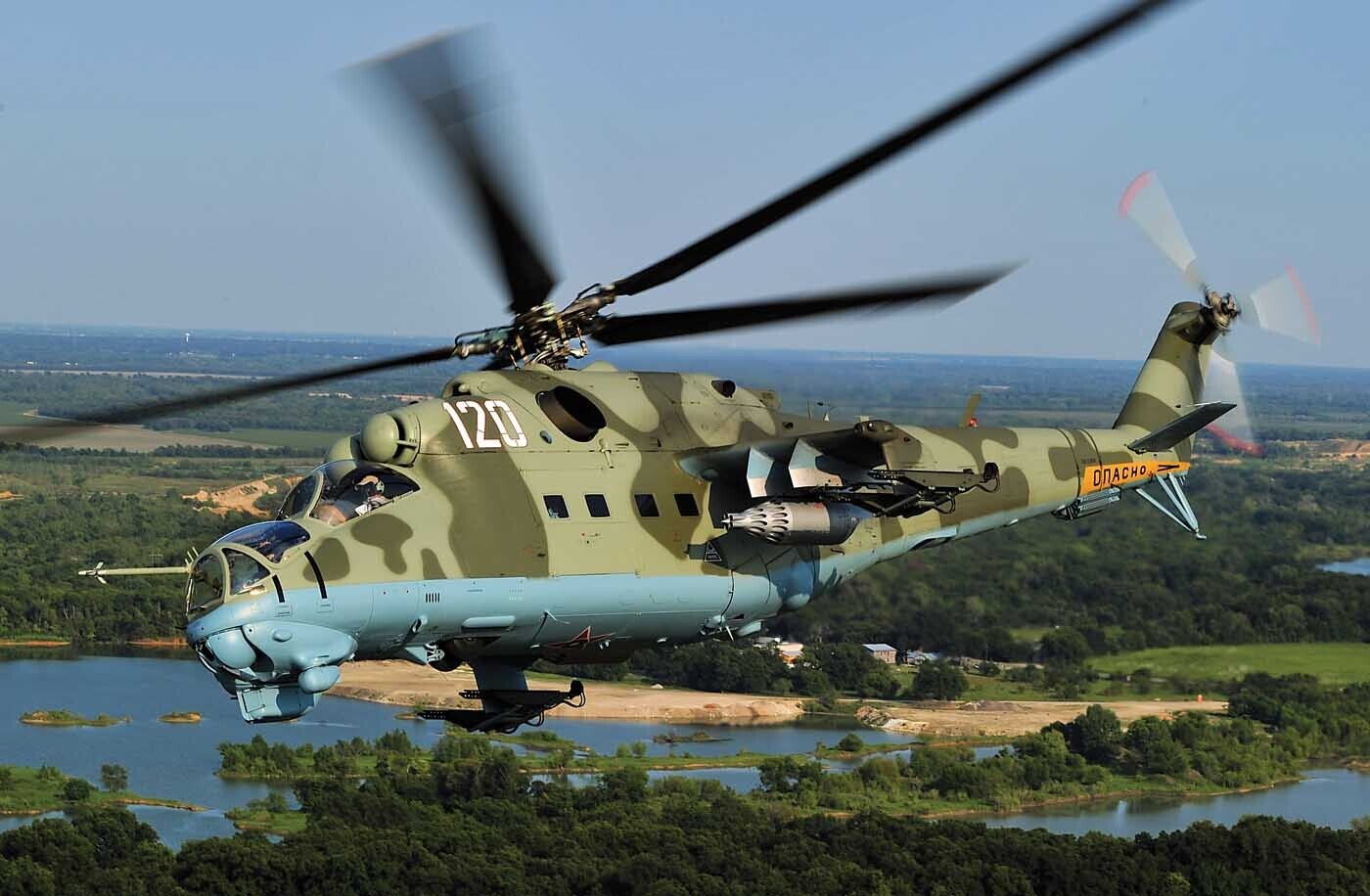
Combining troop capacity with heavy armament, the Soviet gunship earned a reputation for durability.
F-15 Eagle, 1976
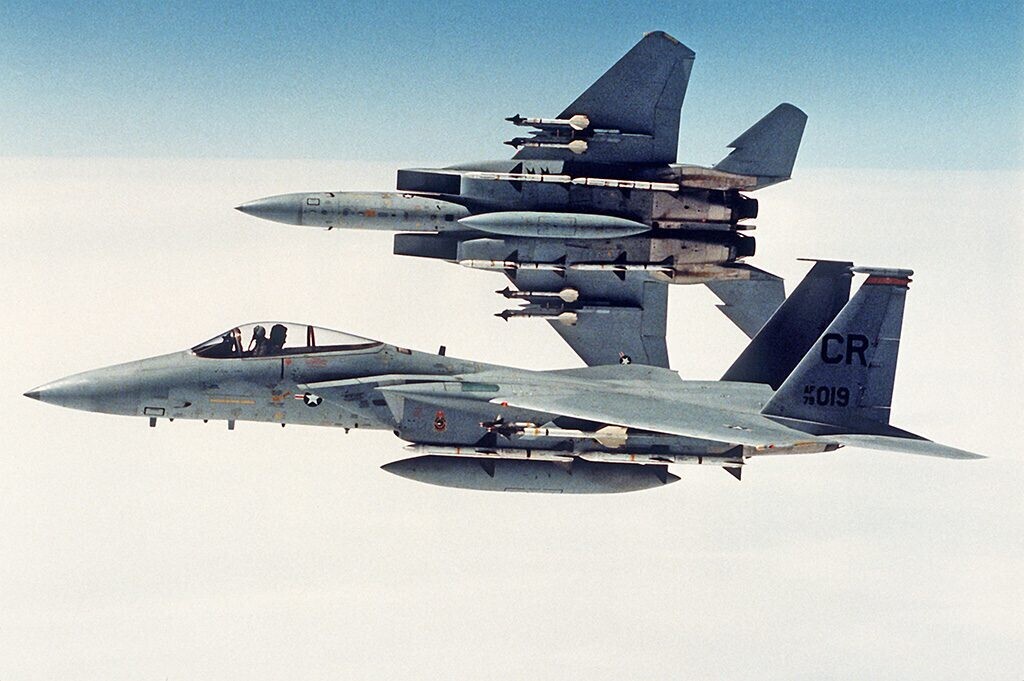
Built solely for air superiority, the fighter delivered unmatched performance in aerial combat.
Avro Vulcan, 1956
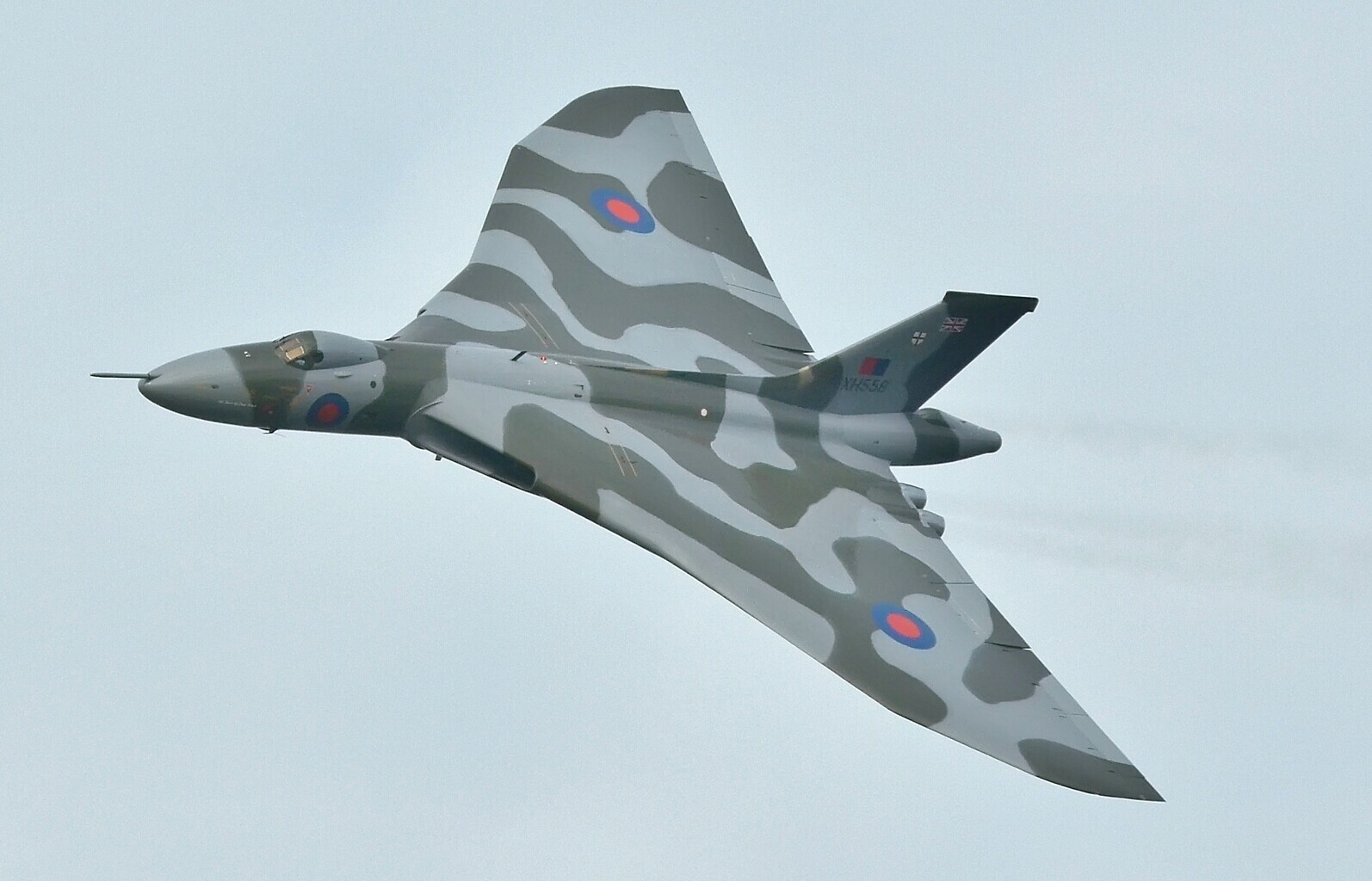
Defined by its delta shape, the bomber played a central role in Britain’s deterrent force.
C-5 Galaxy, 1970
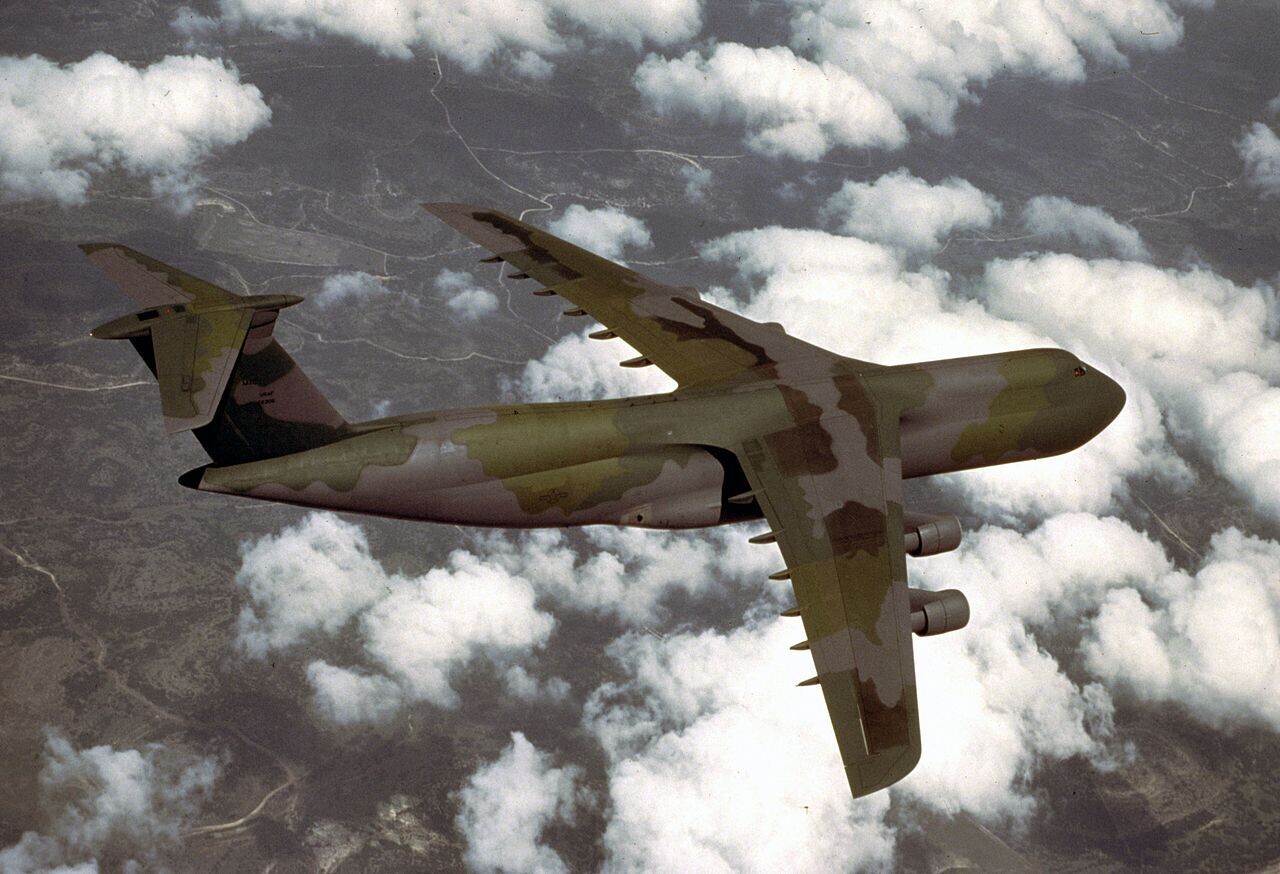
Carrying massive cargo loads, the heavy transport reshaped long-range military logistics.
English Electric Lightning, 1959
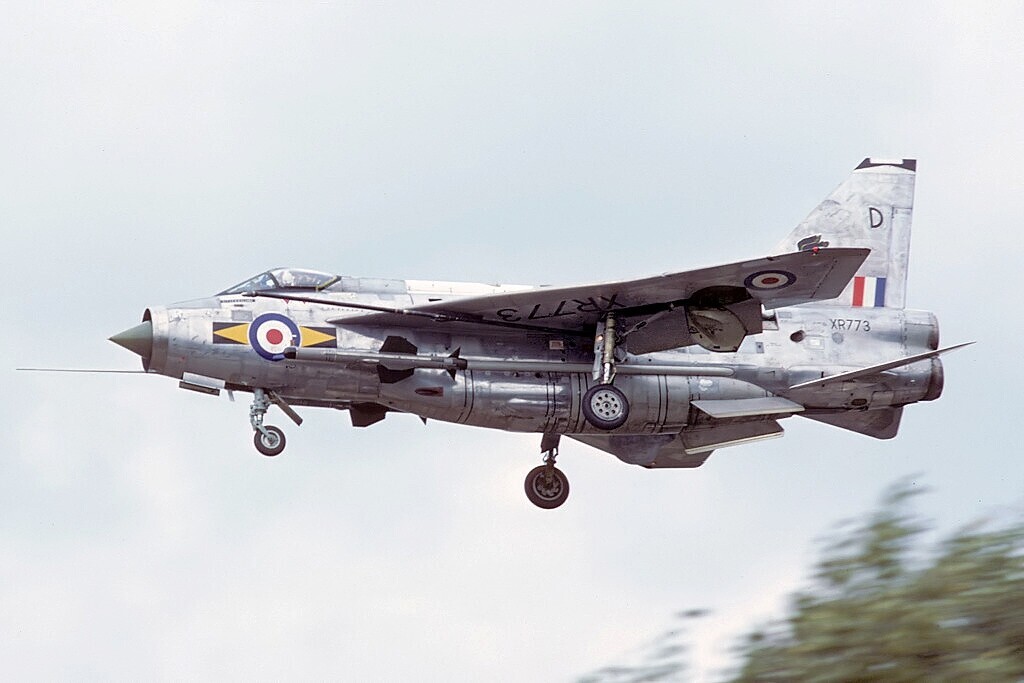
Featuring vertically stacked engines, the British interceptor became known for extreme climb rate.
B-1 Lancer, 1986
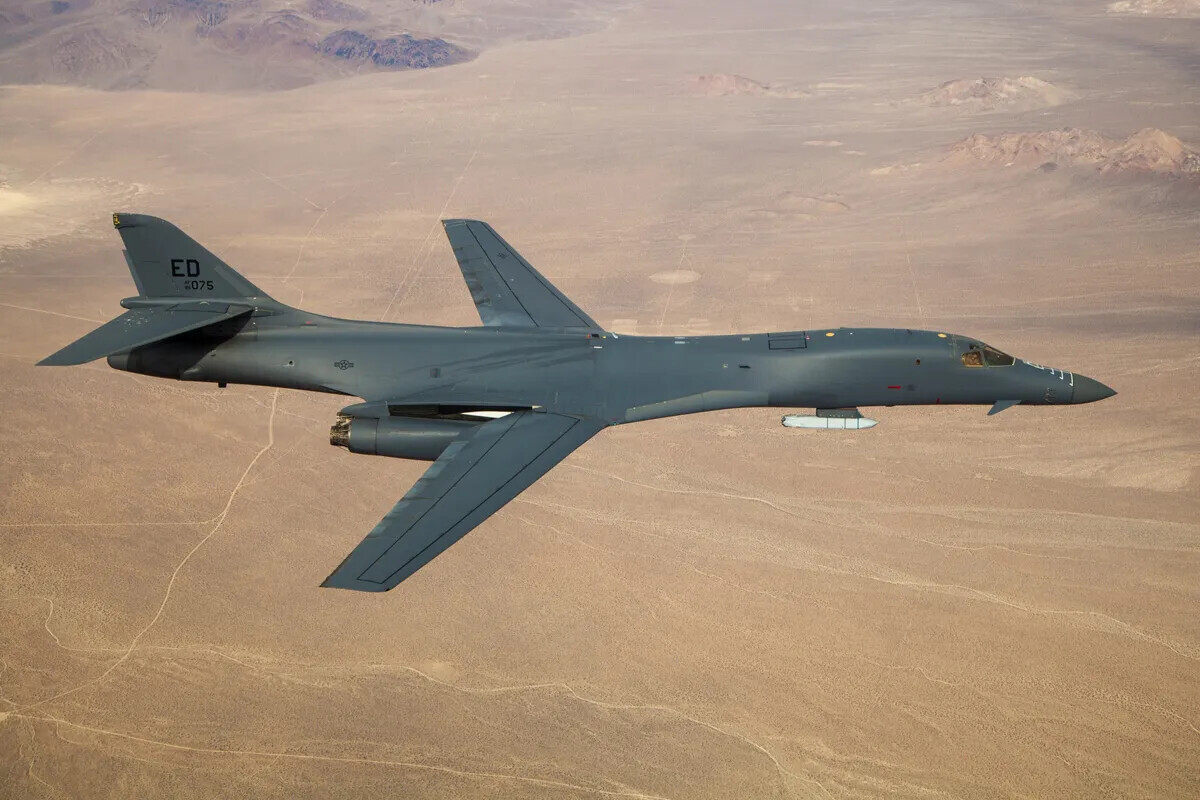
Using variable-geometry wings, the strategic bomber maintained high speed during terrain-following flight.
C-130 Hercules, 1956
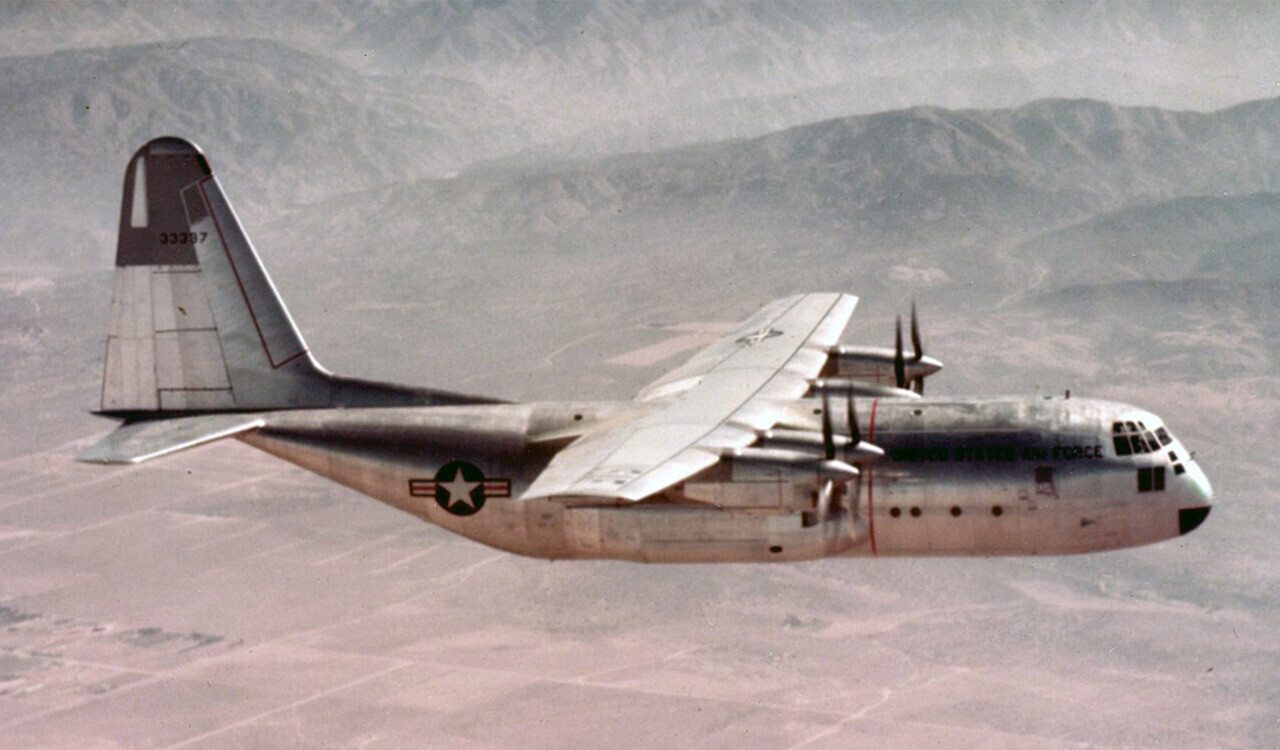
Trusted for rough-field operations, the transport handled missions that required sturdy performance.
F-104 Starfighter, 1958
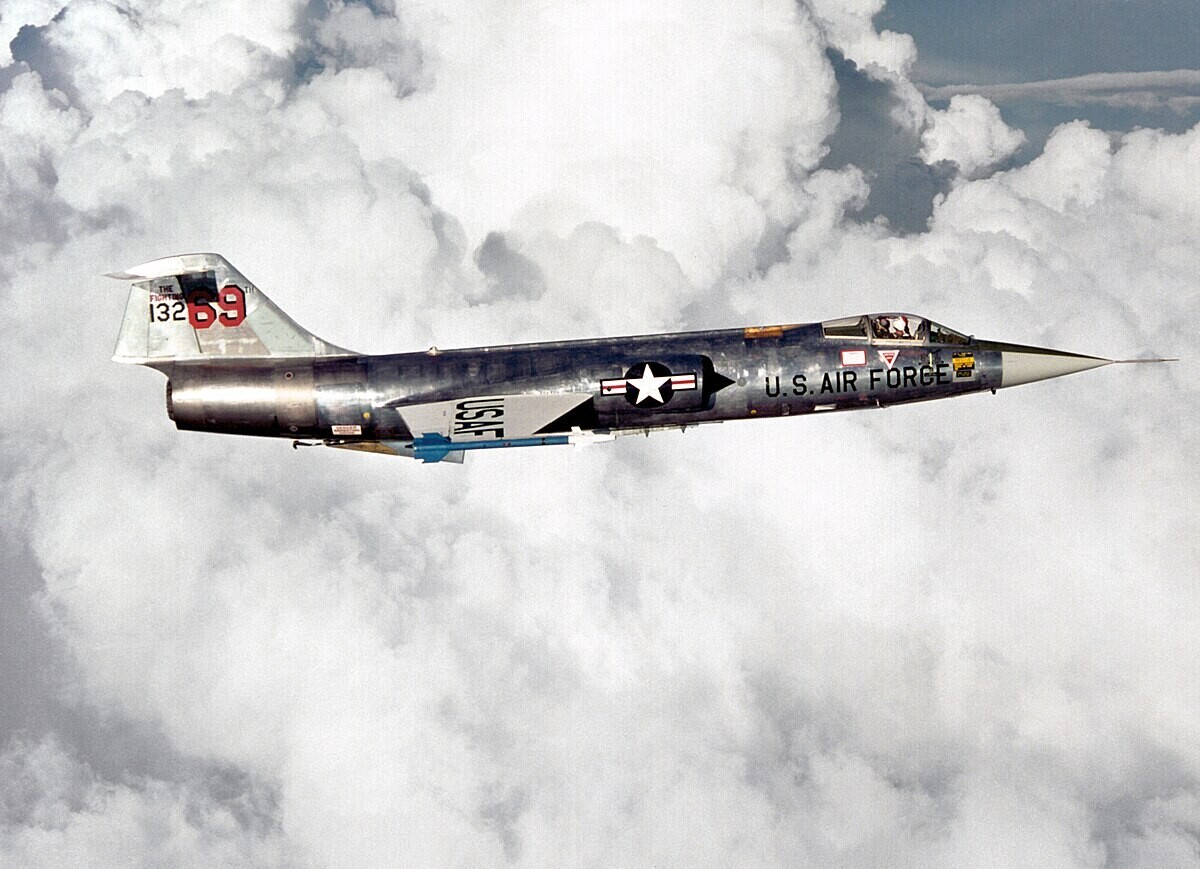
Designed with minimal wing area, the jet demanded precision flying at high velocity.
AH-64 Apache, 1986
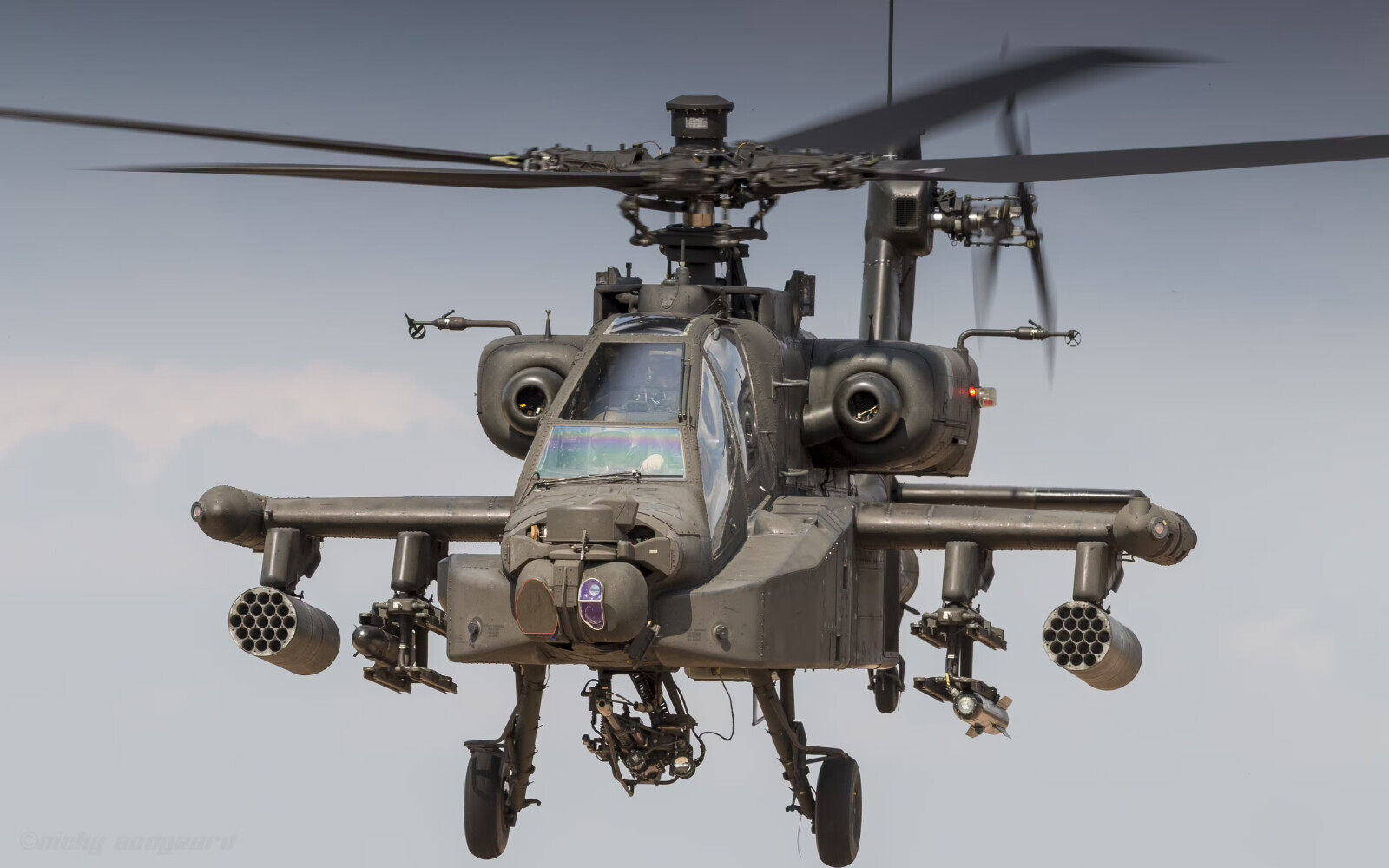
Fielding advanced sensors and armor, the attack helicopter excelled at low-level missions.
MiG-25 Foxbat, 1970
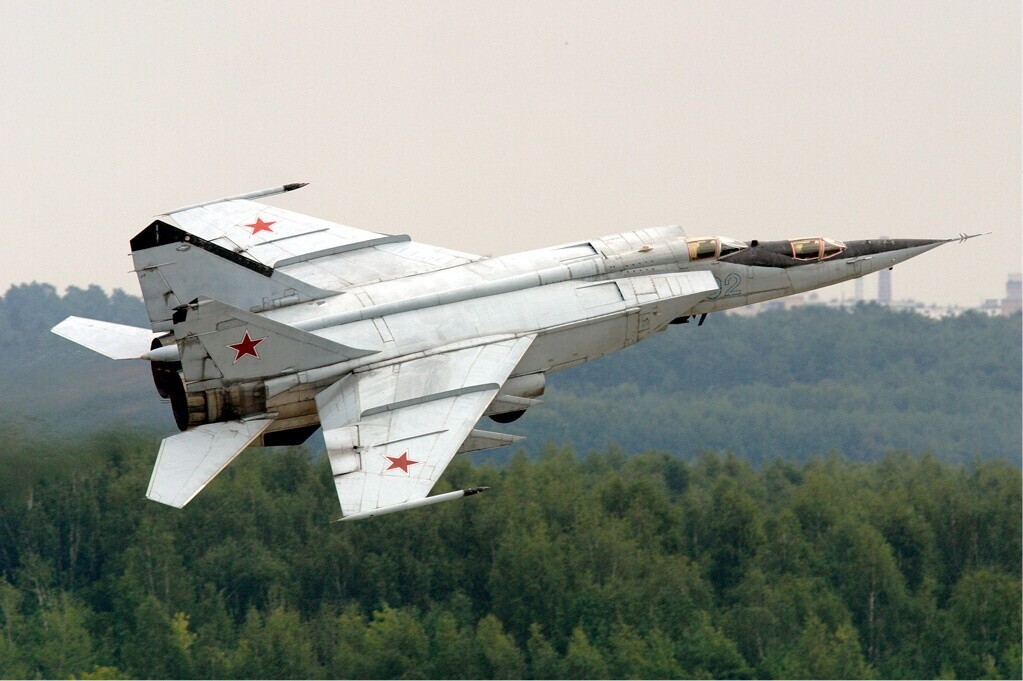
Driven by oversized engines, the Soviet interceptor reached extreme speeds at high altitude.
F-14 Tomcat, 1974

Famous for variable-sweep wings, the carrier interceptor dominated long-range naval engagements.
B-52 Stratofortress, 1955
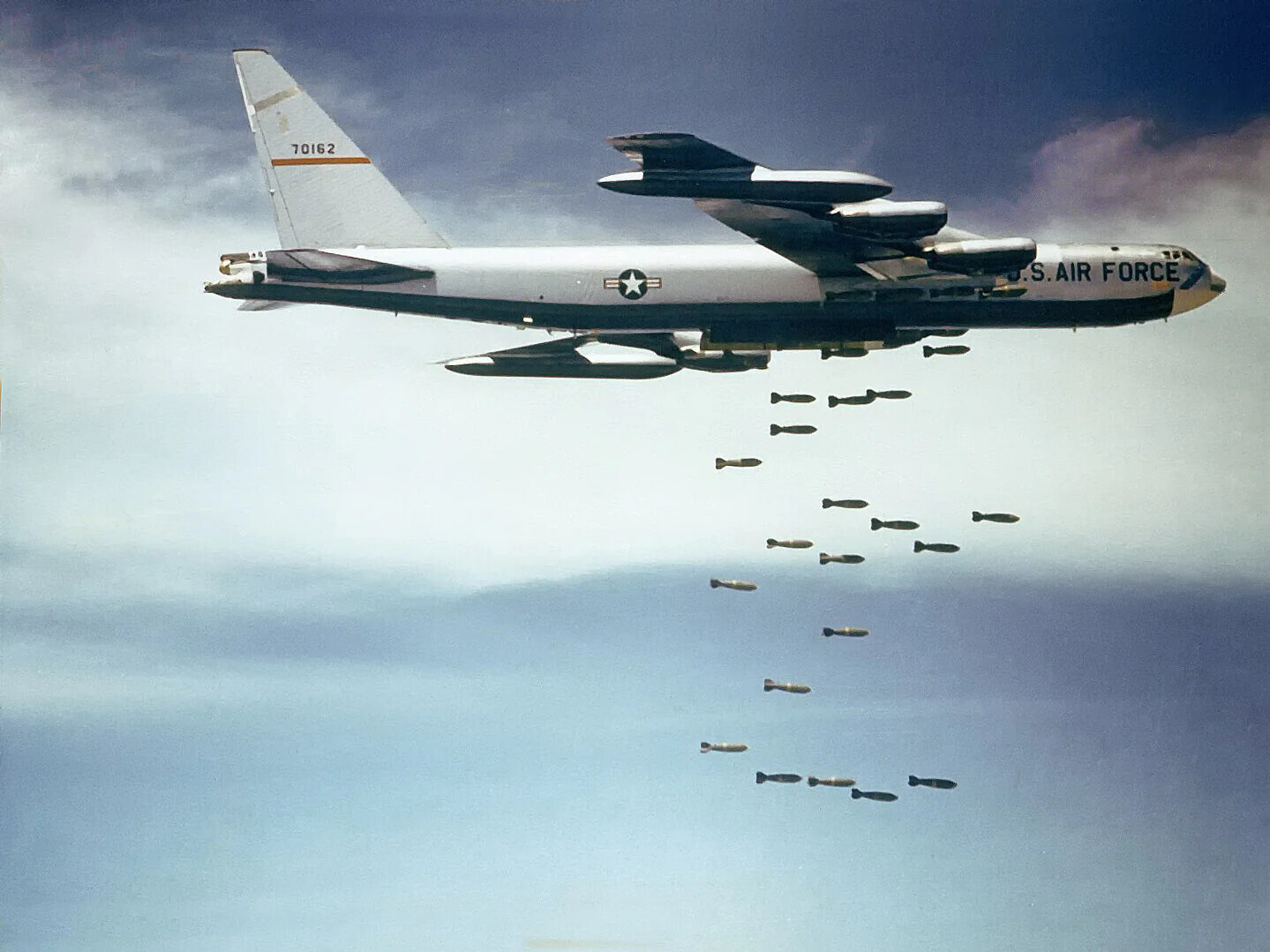
Serving for decades, the long-range bomber carried heavy payloads across vast distances.
F-4 Phantom II, 1960

Recognizable for its size and noise, the interceptor relied on raw thrust instead of subtle maneuvers.
A-10 Thunderbolt II, 1977
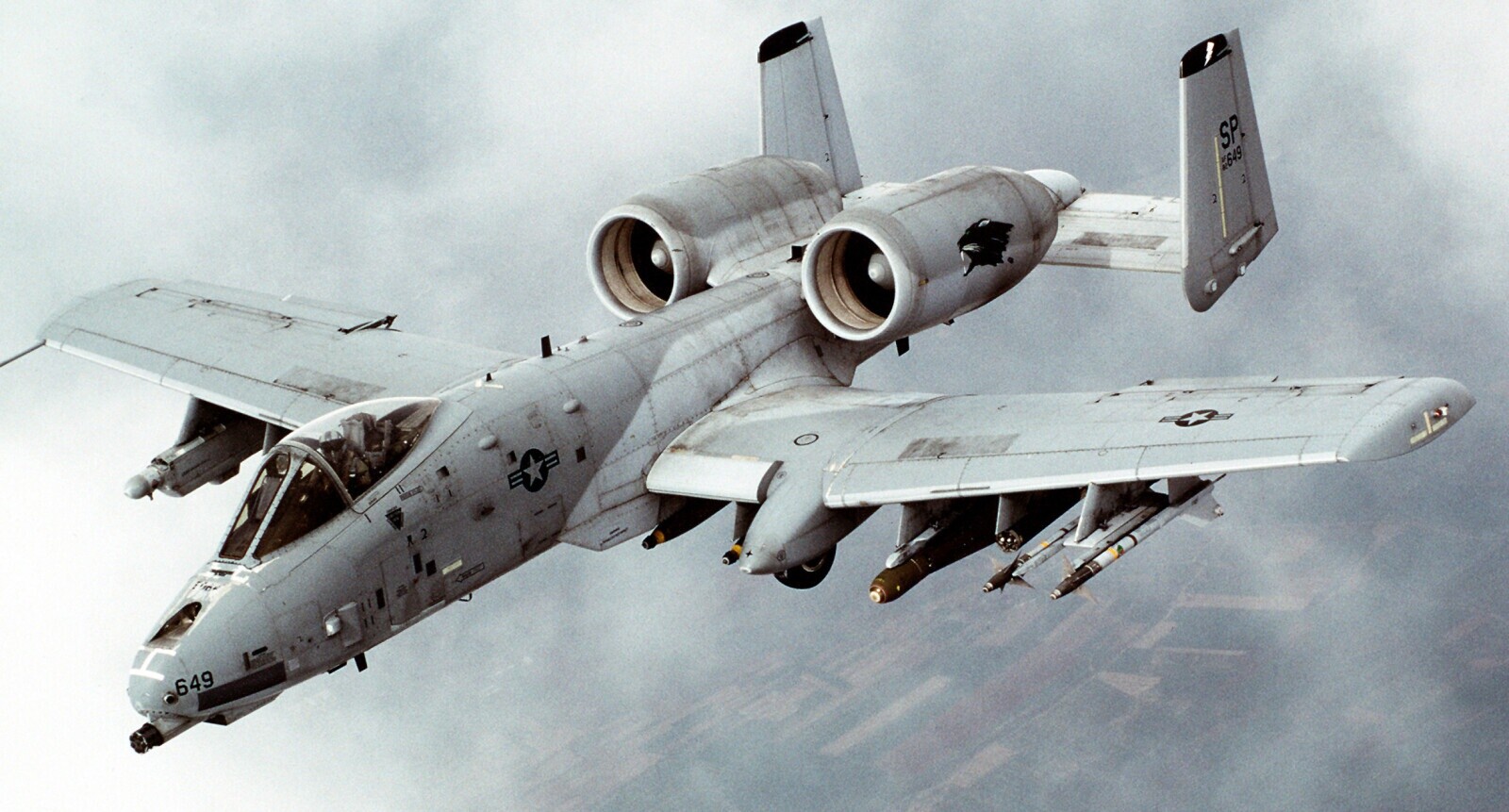
Centered around a 30 mm Gatling gun, the aircraft was engineered to absorb damage and stay on target.
UH-60 Black Hawk, 1979
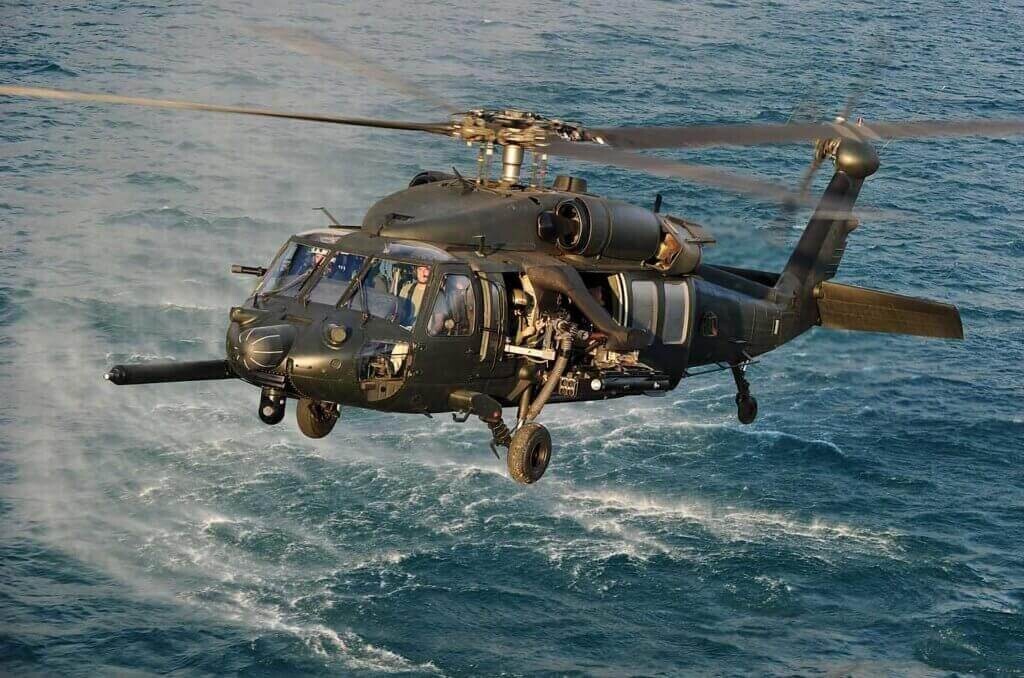
Known for dependable troop transport, the helicopter became a staple of modern battlefield mobility.
SR-71 Blackbird, 1966
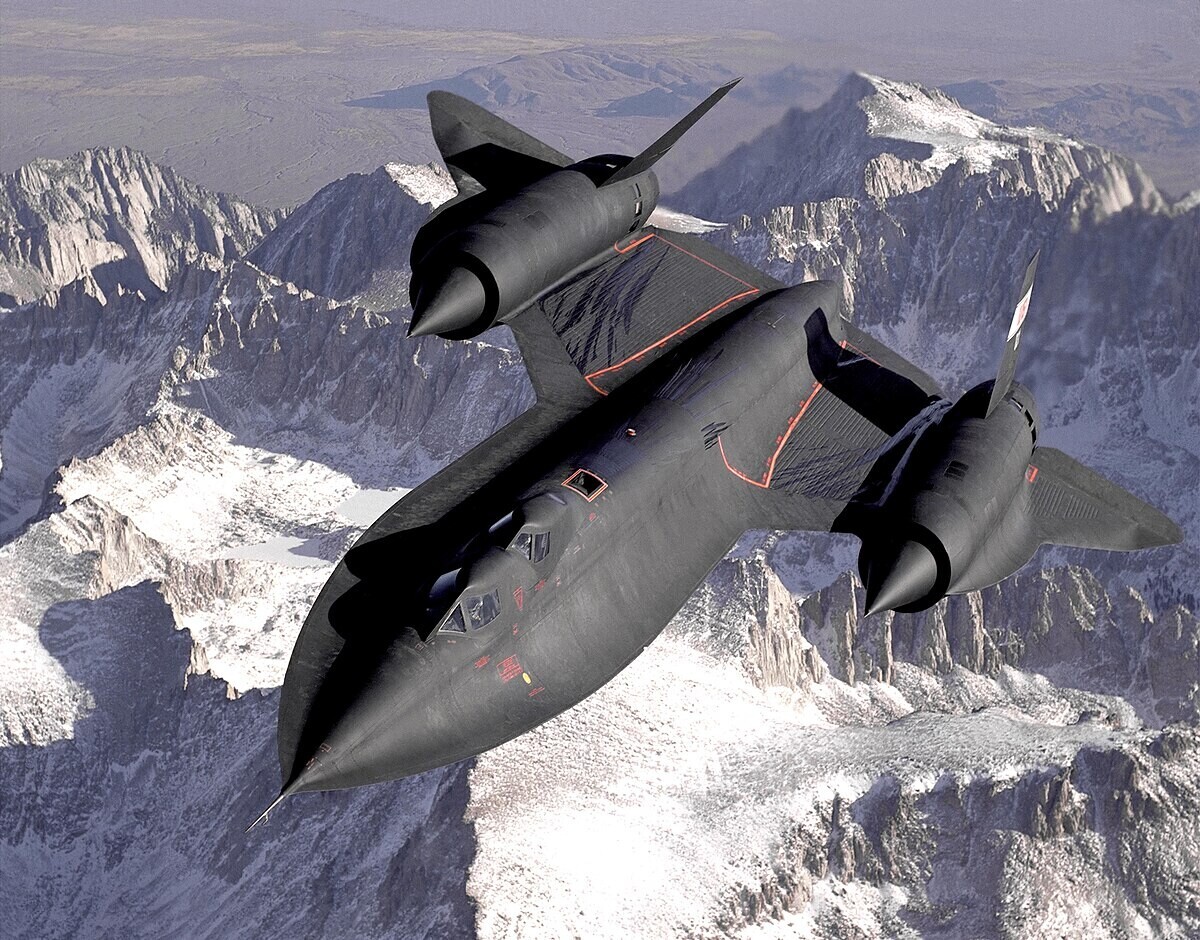
Built for extreme altitude and speed, this reconnaissance jet simply outran anything aimed at it.
