Photos Describing the Wreck of the Edmund Fitzgerald
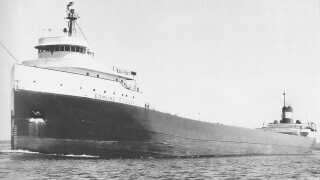
Considered one of the greatest tragedies of the Great Lakes, the wreck of the SS Edmund Fitzgerald shook people all around the world, and it's still a big mystery with lots of questions unanswered.
Fifty years after the sinking of the ship under undetermined circumstances, you can find all kinds of memorabilia around the Great Lakes, from Christmas ornaments to limited edition beverage cans, coins, shirts, and more. Museums in the area also showcase the achievements of the ship's career that spanned almost two decades before meeting its tragic fate under a powerful storm. It was an icon of the Great Lakes and an unusual entertainment for boat watchers in the area, thanks to the heartwarming crew.
People all around the US pay respects to the 29 lost sailors every year, but younger generations might not know what it all meant. So, here are photos describing the wreck of the Edmund Fitzgerald, its history, fate, legacy, and countless tributes.
SS Edmund Fitzgerald
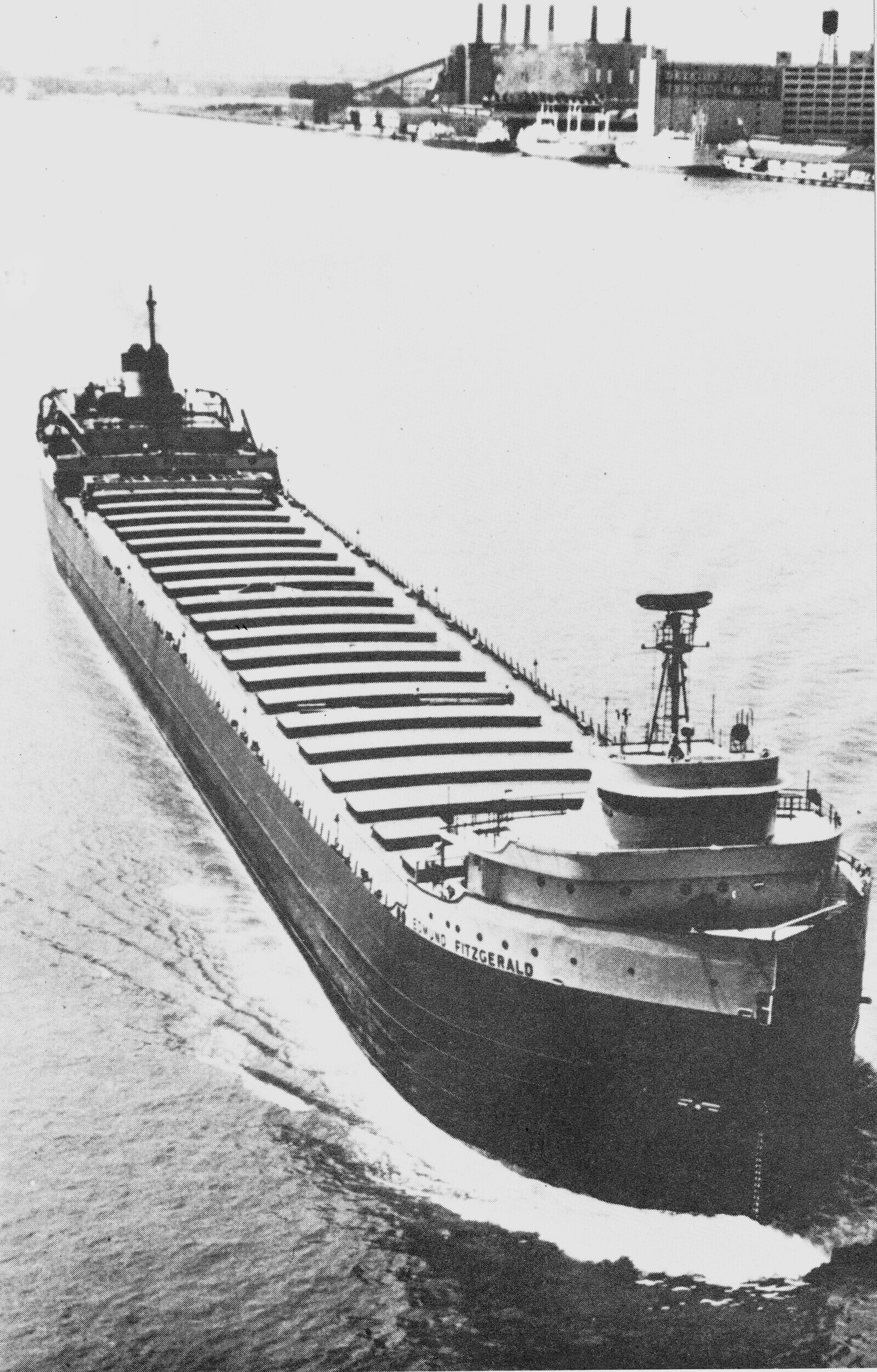
It was an American Great Lakes freighter launched on June 7, 1958. It was the largest ship in the area for a long time and it used to carry taconite (iron ore) from mines to different Great Lake ports in Minnesota, Michigan, Ohio, and more.
Exemplary Ship
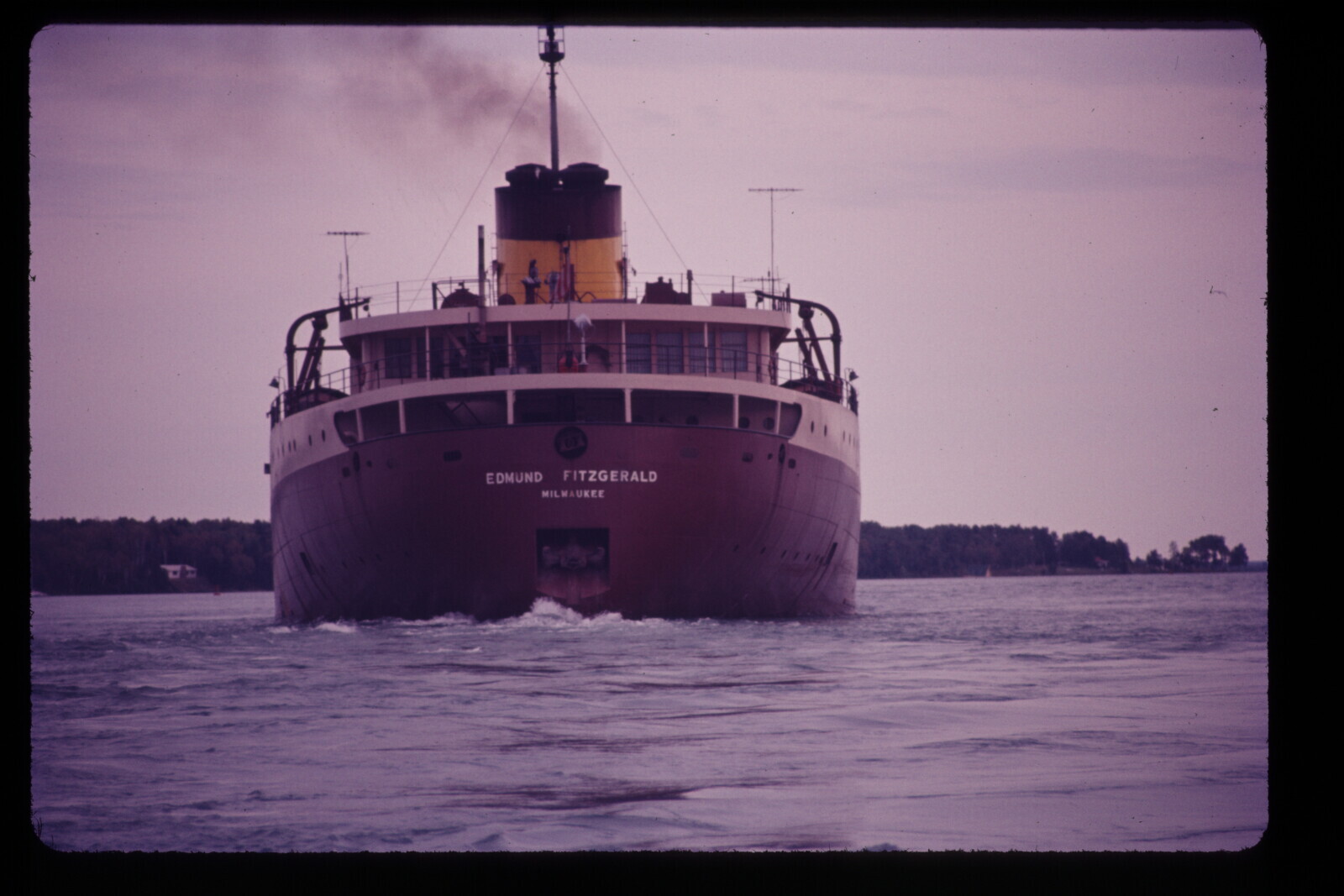
The SS Edmund Fitzgerald set seasonal haul records six times, surpassing its own record a couple of times.
DJ Captain
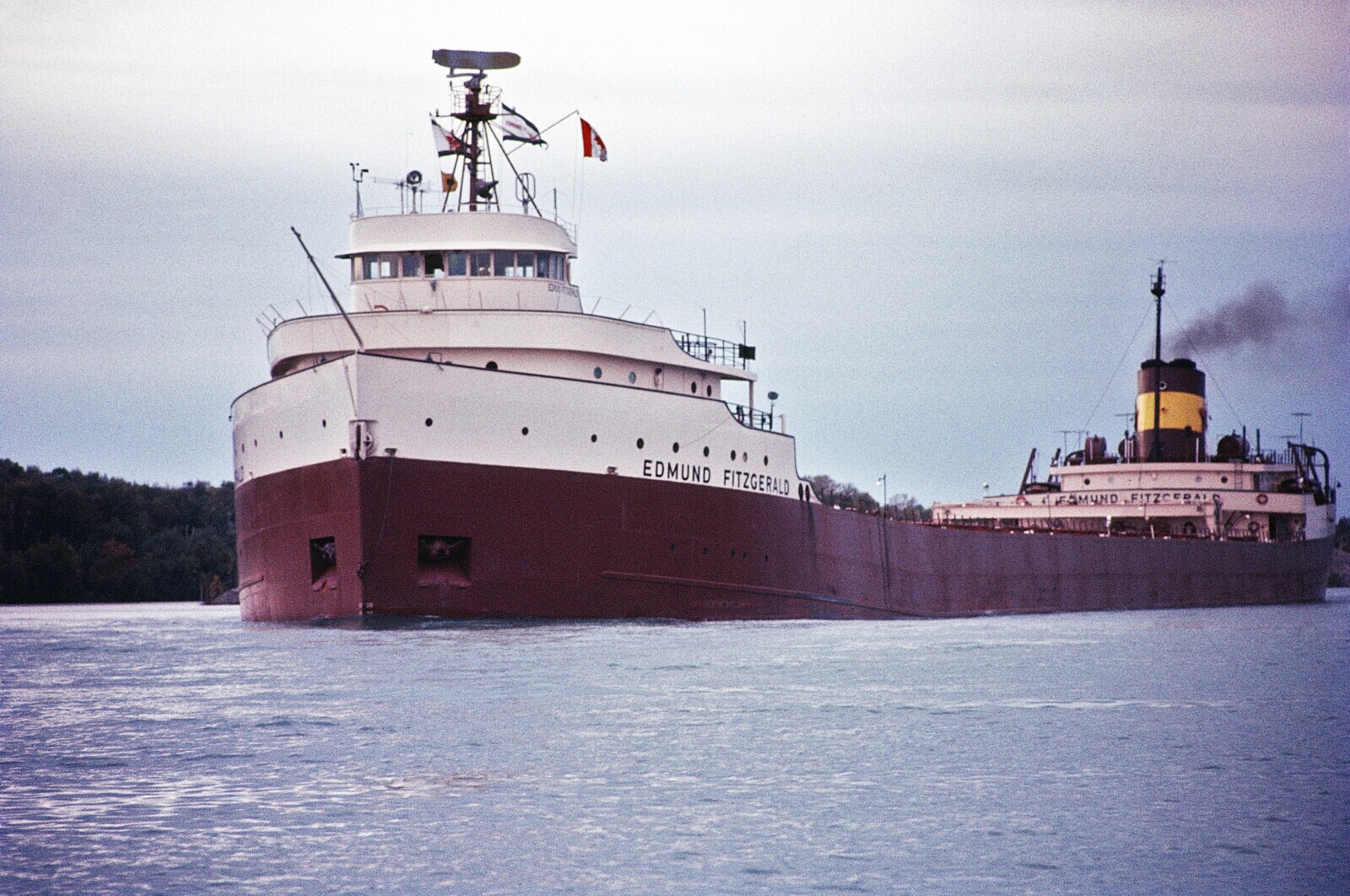
Captain Peter Pulcer was known for playing music at all times through the ship's intercom, entertaining not only the crew, but also boat watchers alongside the Great Lakes. He would also make comments and share information about the ship for those interested.
Community Icon
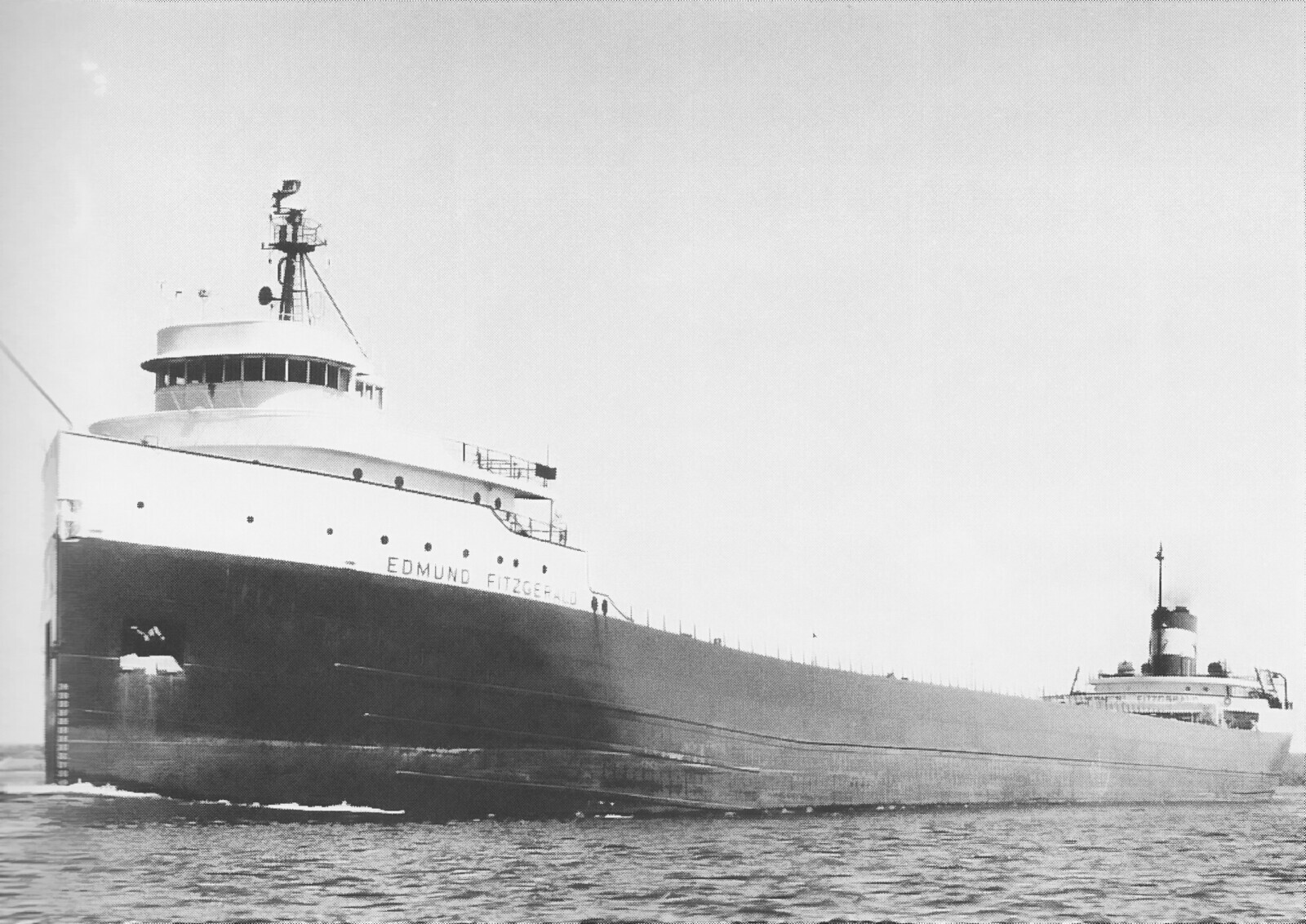
All that made the SS Edmund Fitzgerald a beloved ship in the area, which is why its tragedy dug deep into people's hearts.
1975 Wreck
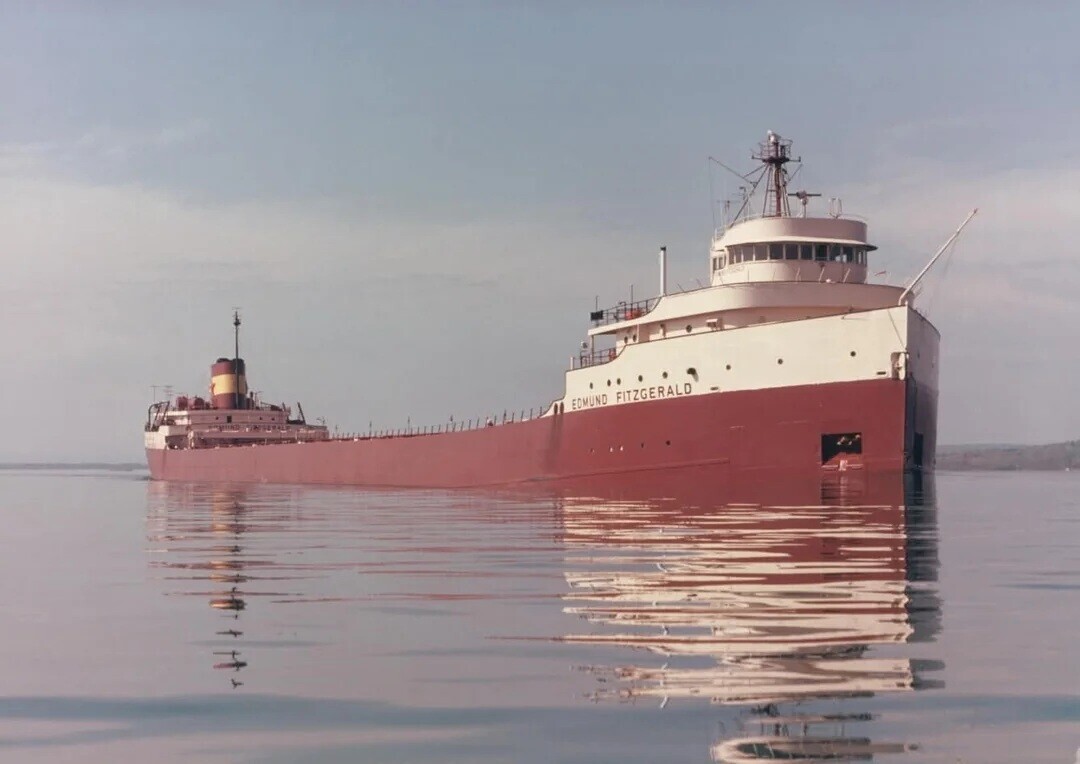
On November 9, 1975, the ship embarked on its last voyage with Captain Ernest M. McSorley in command. The next day, a powerful storm, described as having near-hurricane force, surrounded the ship with strong winds and waves up to 35 feet high. At 5.30 PM, the ship reported difficulties. At 7:10 PM, they sent their last message: "We are holding our own."
Sinking
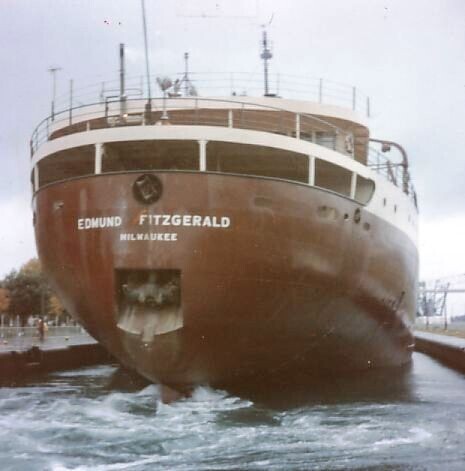
The ship sank near Whitefish Bay, killing all 29 crewmembers. Their bodies were never recovered, and while lots of books, studies, and expeditions tried, no one could explain exactly what happened. Theories point to structural failure, topside damage, or a combination of different factors.
Recovery
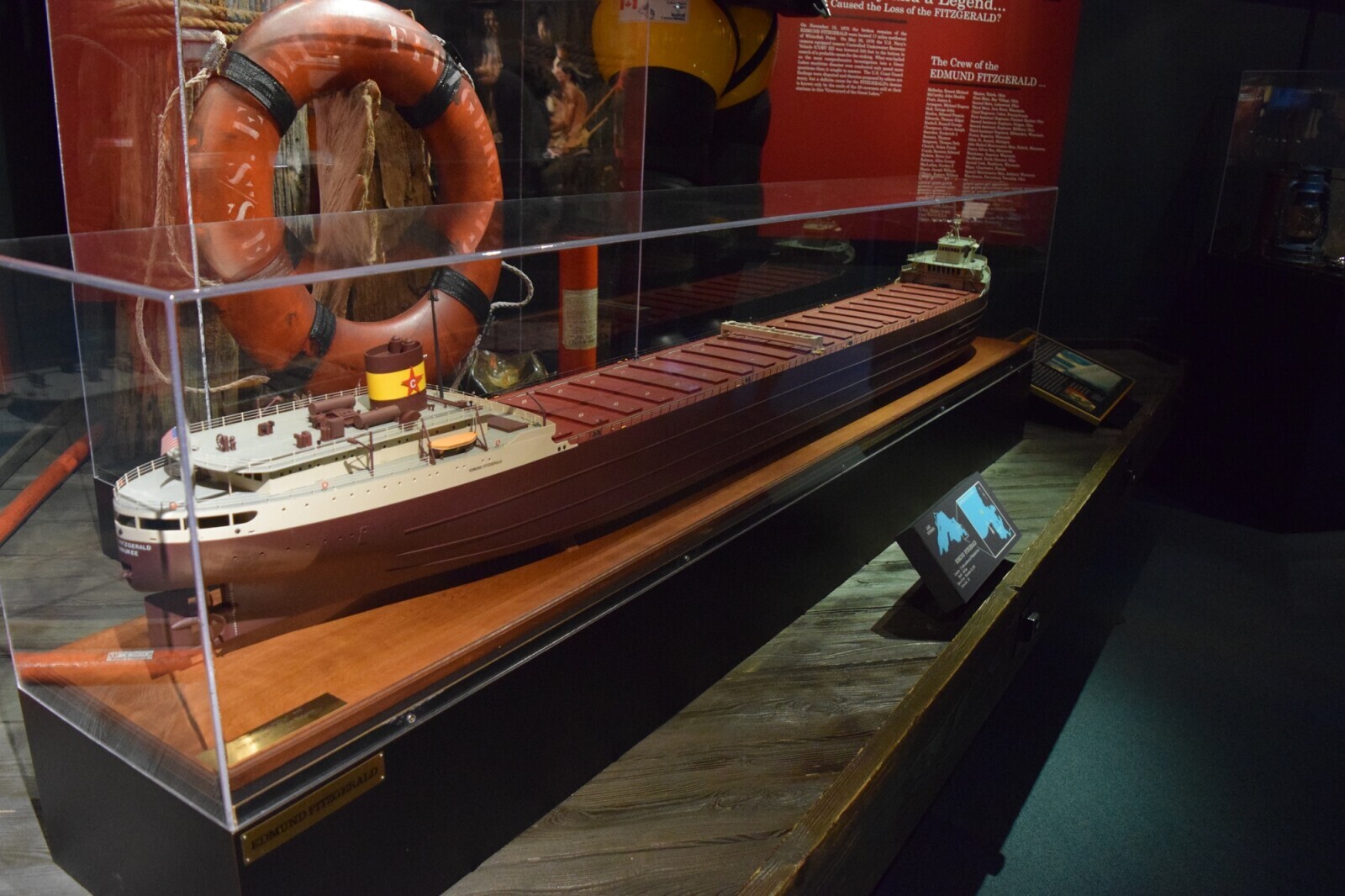
The sunken ship was located on November 14, 1975, by a US Navy aircraft detecting magnetic anomalies. The SS Edmund Fitzgerald was found split into two large pieces, and specialists started recovering different parts that you can find in museums today.
Taconite
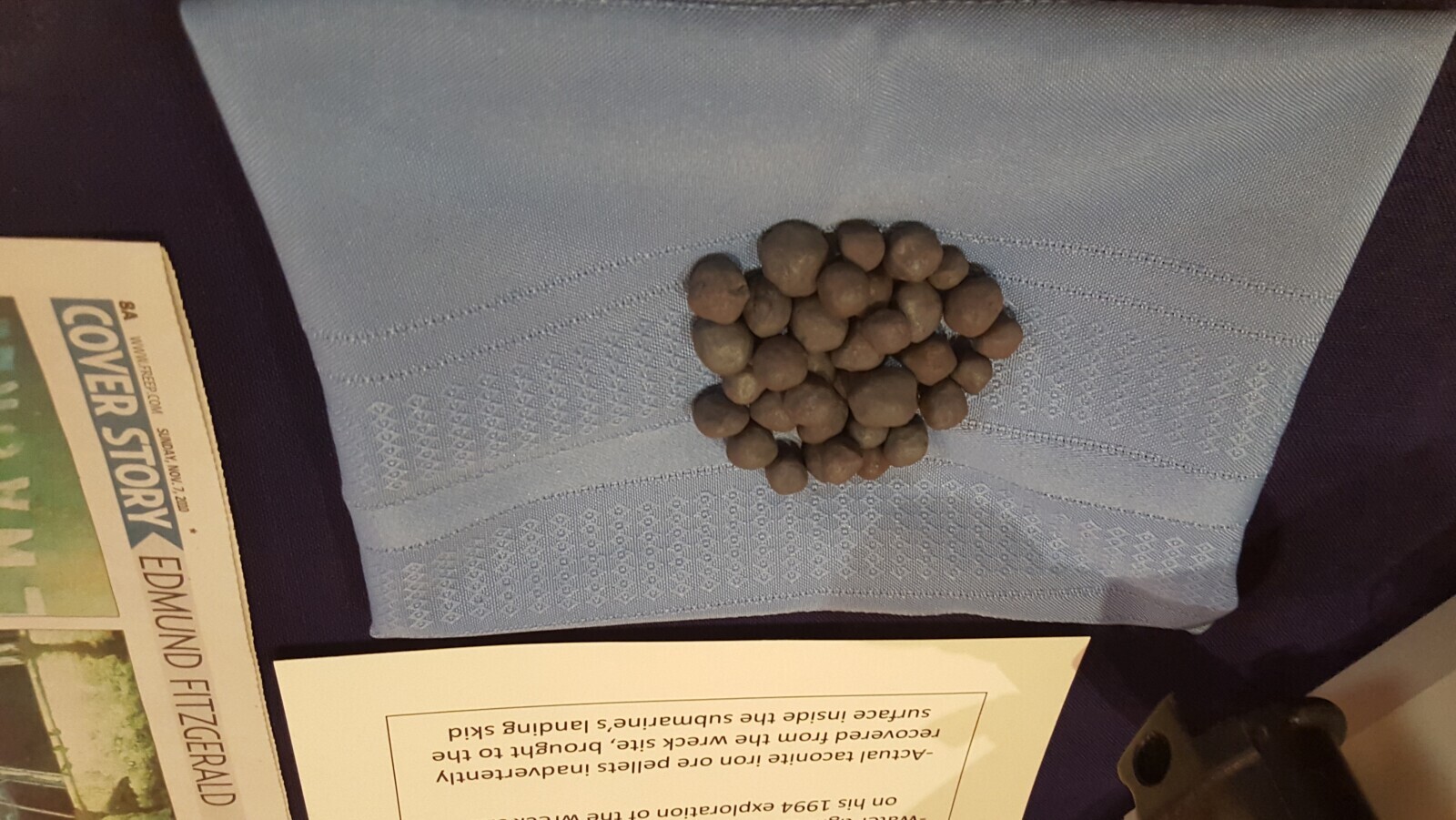
Due to its record-breaking capabilities, the ship got many nicknames, like "Fitz", "Pride of the American Side", "Mighty Fitz", "Toledo Express", and “Big Fitz”. Years after its wreck, it was also nicknamed the "Titanic of the Great Lakes."
Legacy
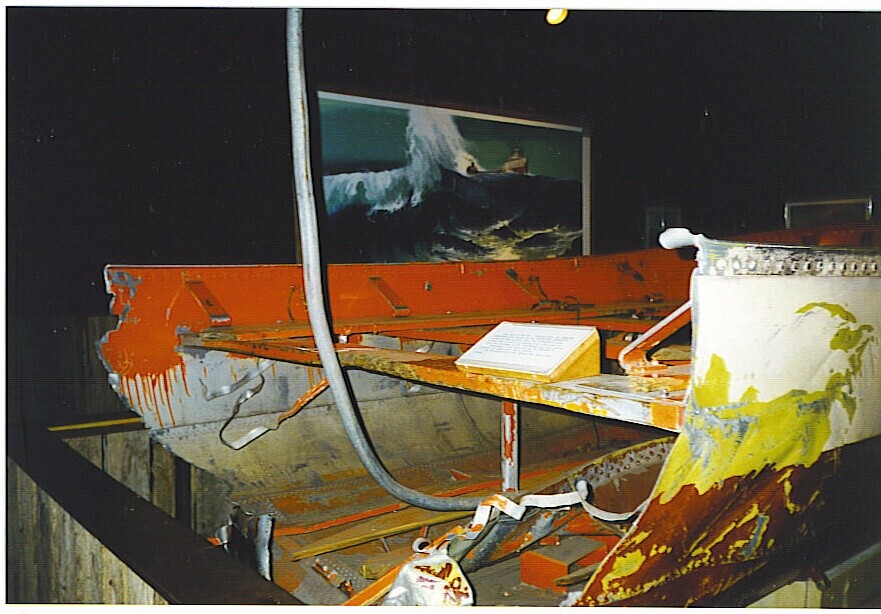
The tragedy struck the community hard and promoted changes in the world of shipping. New regulations and practices included mandatory survival suits, depth finders, positioning systems, increased freeboard, and more frequent inspection of cargo ships.
Memorials
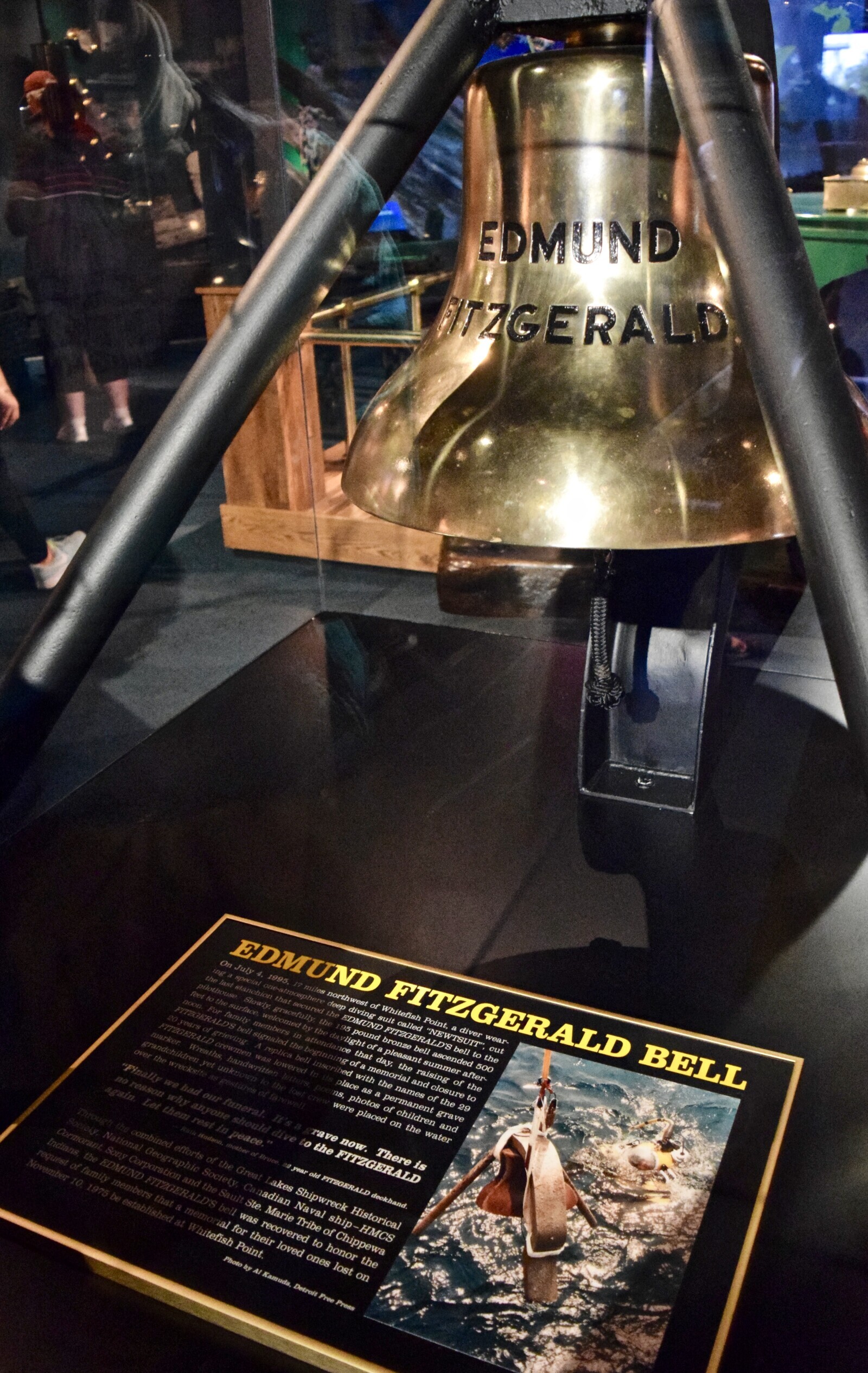
The day after the tragedy, Mariners' Church in Detroit rang its bell 29 times, once for each crewmember who perished. In 1995, the bell from the ship was recovered and is now exhibited at the Great Lakes Shipwreck Museum. A replica engraved with the names of the sailors replaced the original on the wreck.
Homages
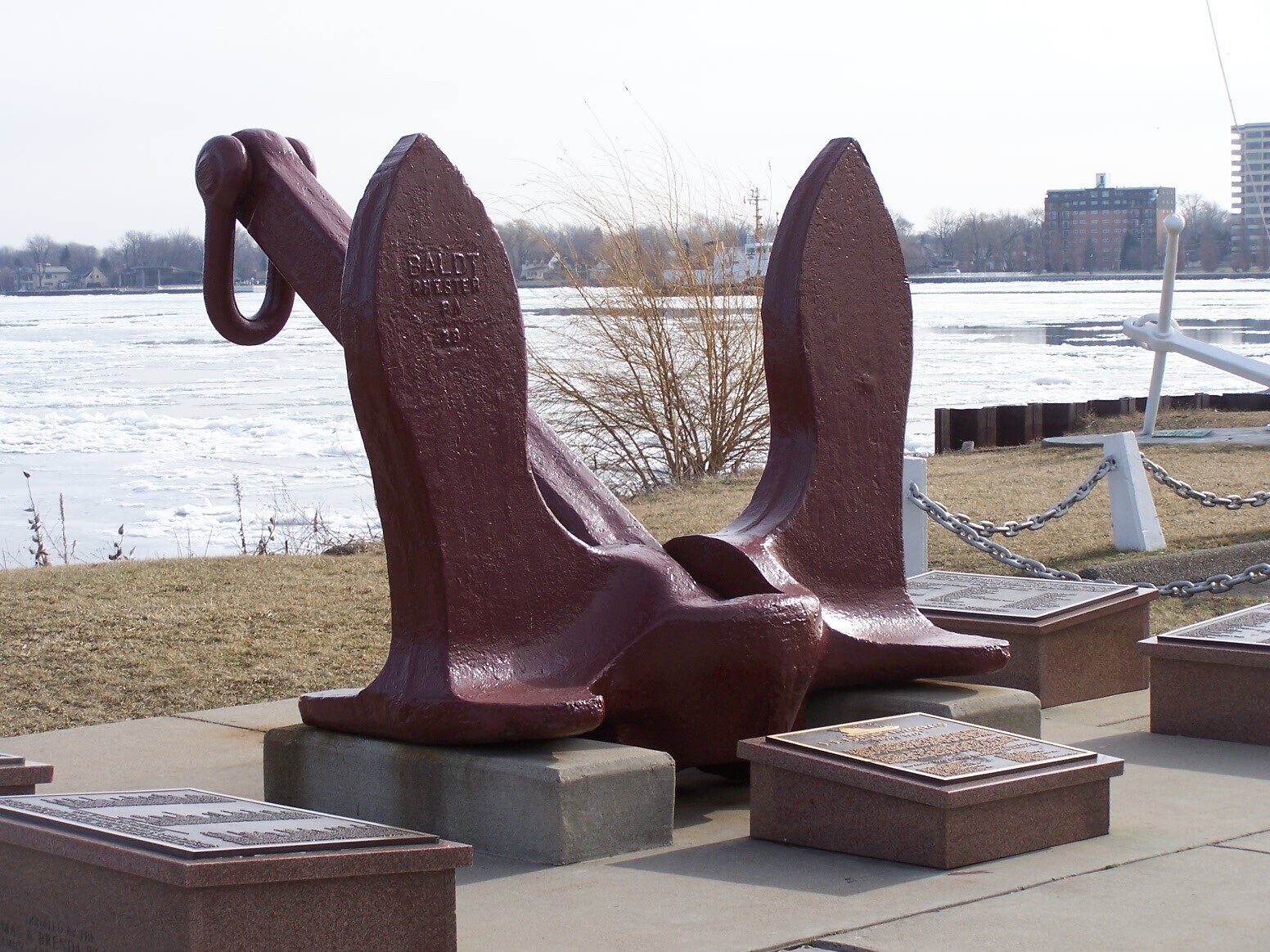
The Anchor was recovered in 1992 and is on display at the Dossin Great Lakes Museum in Detroit, Michigan. Different events are held in museums and memorial sites every November 10th. In 1025, the Royal Canadian Mint commemorated the ship with a colored silver collector coin.
50th Anniversary
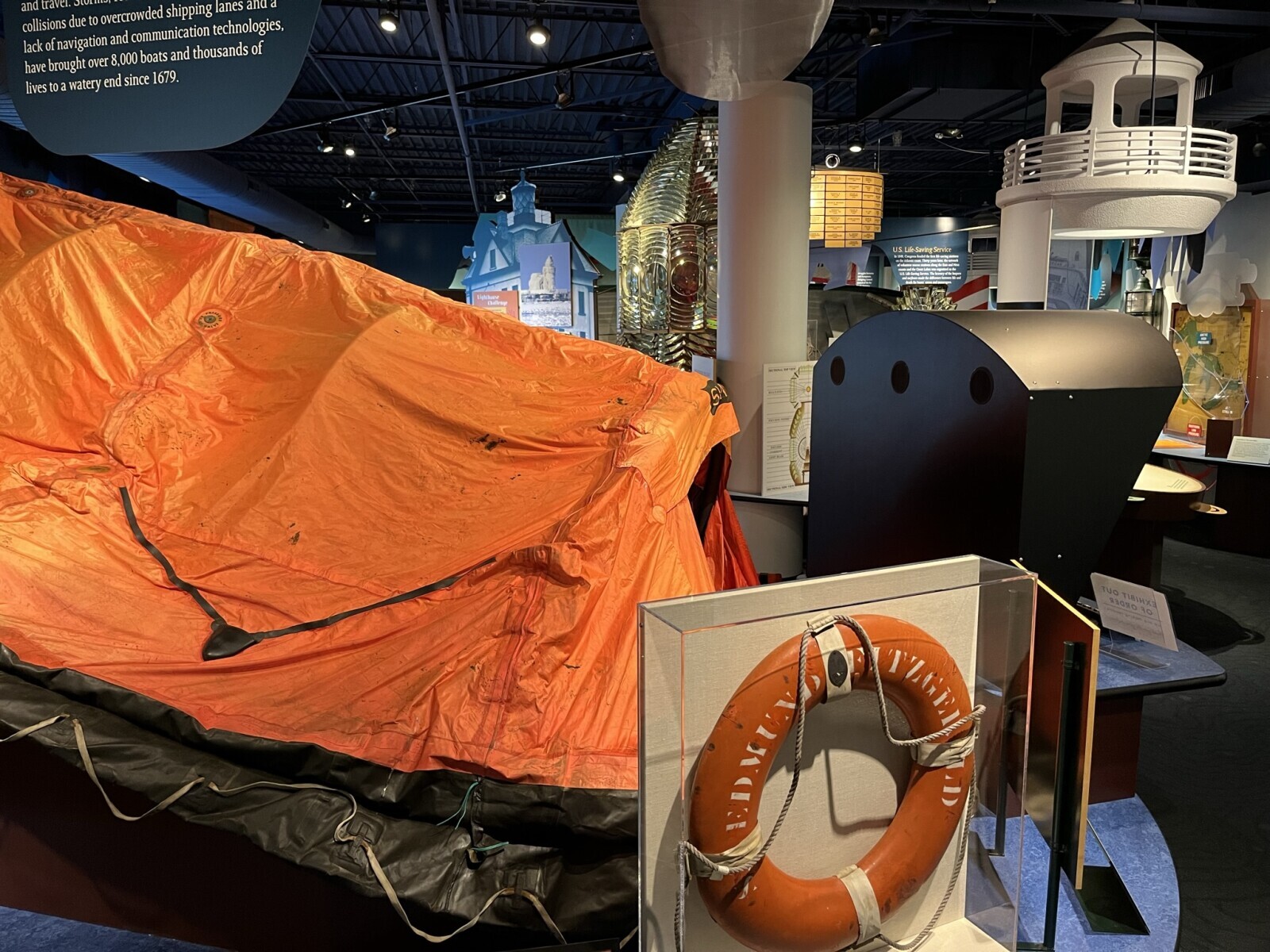
November 10, 2025, marked the 50th anniversary of the SS Edmund Fitzgerald wreck. Events were held all across the Great Lakes, including 68 swimmers who recreated the ship's final journey by carrying taconite from Wisconsin to Michigan, where they delivered it to the Mariners' Church.
The Wreck of the Edmund Fitzgerald
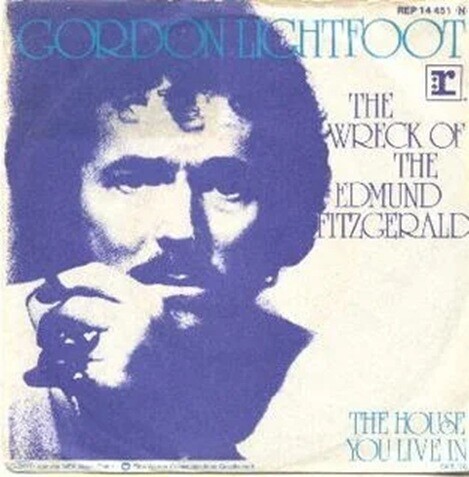
Among the many artistic tributes done over the years, Gordon Lightfoot's song “The Wreck of the Edmund Fitzgerald” is the most popular. The artist wrote the song after reading the name misspelled "Edmond" in Newsweek magazine and felt the memories of the crewmembers weren't being honored properly. The song brought attention to the tragedy, making it one of the best-known disasters in the history of the Great Lakes. When Lightfoot died, the Mariners' Church bell rang 29 times for the sailors, plus one more for the songwriter.
