The Story of the Man Who Dropped the Bomb: Paul Gibbets
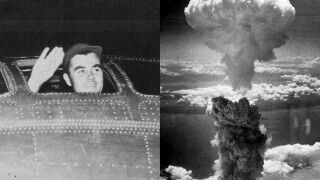
Paul Tibbets grew up in the Midwest with a love for flying and a talent for breaking the rules, whether it was buzzing small airfields or tinkering with homemade planes. Adventure was his default setting.
During World War II, he became the pilot everyone relied on for impossible missions, navigating Europe with precision, guts, and a streak of luck. Gibbets’ story isn’t just about heroics; it’s about choices, timing, and the strange quirks that turn ordinary pilots into legends.
August 6, 1945, defined him. At the controls of the Enola Gay, one push of a button dropped history’s most infamous bomb, cementing his place in infamy and awe.
Kid Who Loved Planes

Paul Tibbets was born on February 23, 1915, in Quincy, Illinois, and developed a fascination with flight after his father took him to watch planes at local fairs.
Candy Drop Daredevil
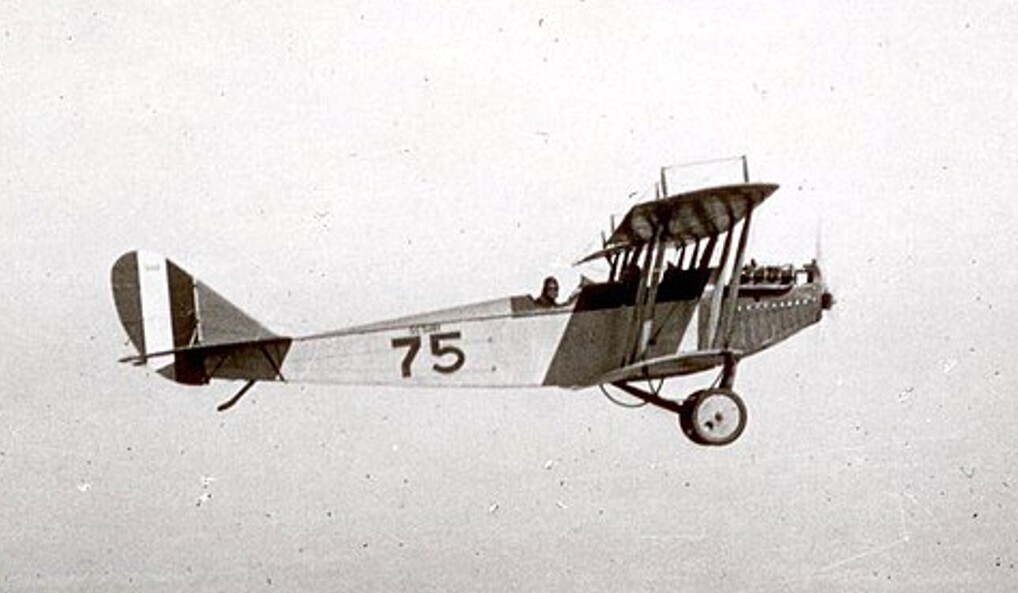
At just 12 years old, Tibbets flew a rented biplane over Quincy, tossing candy to delighted crowds, building early fame for daring aerial stunts.
Doctor-to-Pilot
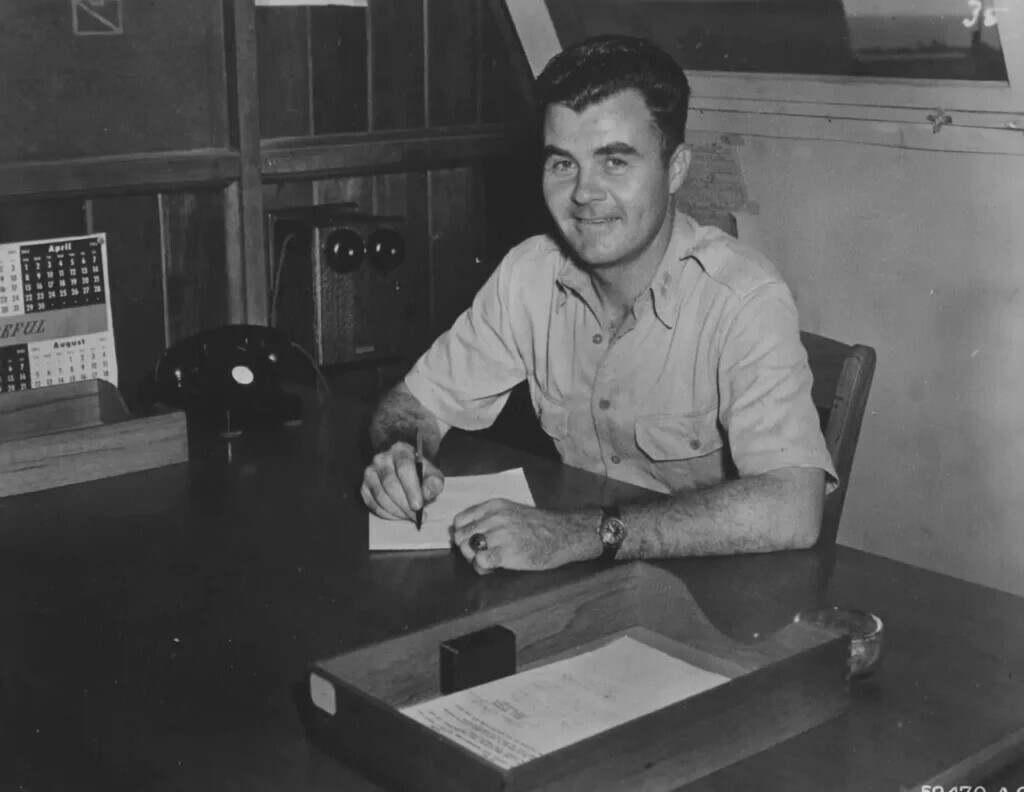
Enrolled in the University of Florida and later Cincinnati to study medicine, he left in 1937 to join the US Army Air Corps, swapping scrubs for a flight suit.
Kelly Field Ace
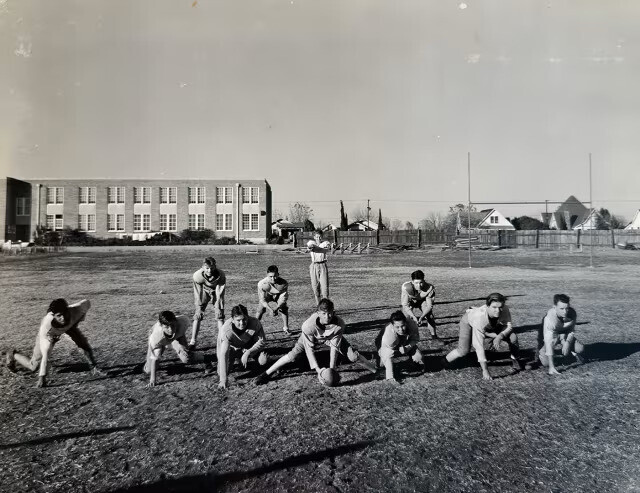
During training at Kelly Field, Texas, Tibbets honed skills in navigation and precision flying that would later define his military career.
European Sky Battles

He flew B-17 missions over occupied Germany, participating in the first US daylight bombing raids, facing heavy anti-aircraft fire.
Flying Eisenhower
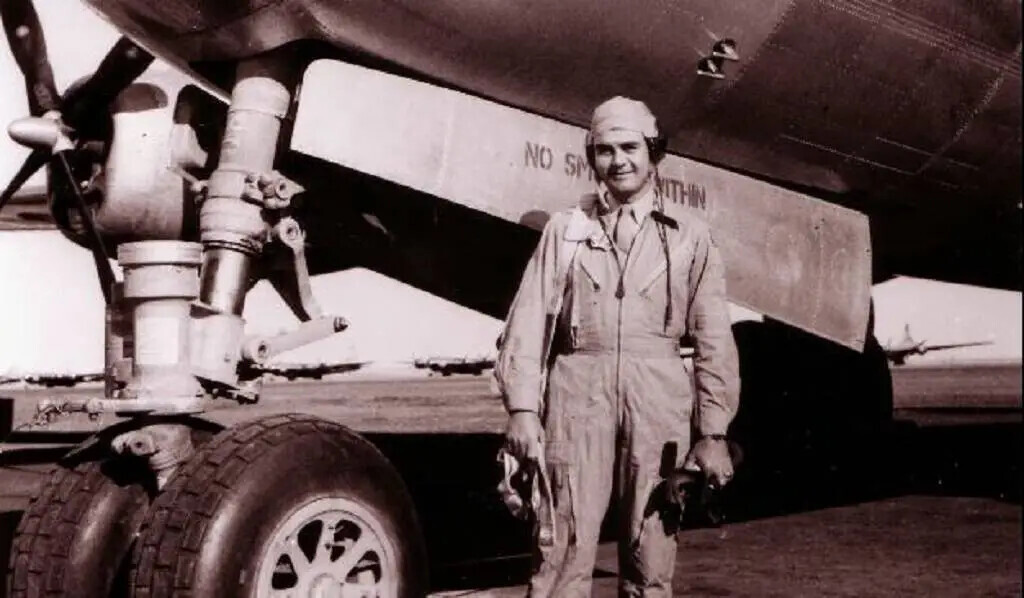
In 1942, Tibbets piloted General Dwight D. Eisenhower to Gibraltar for the North Africa invasion, proving he could handle both VIPs and pressure.
Secret Atomic Commander
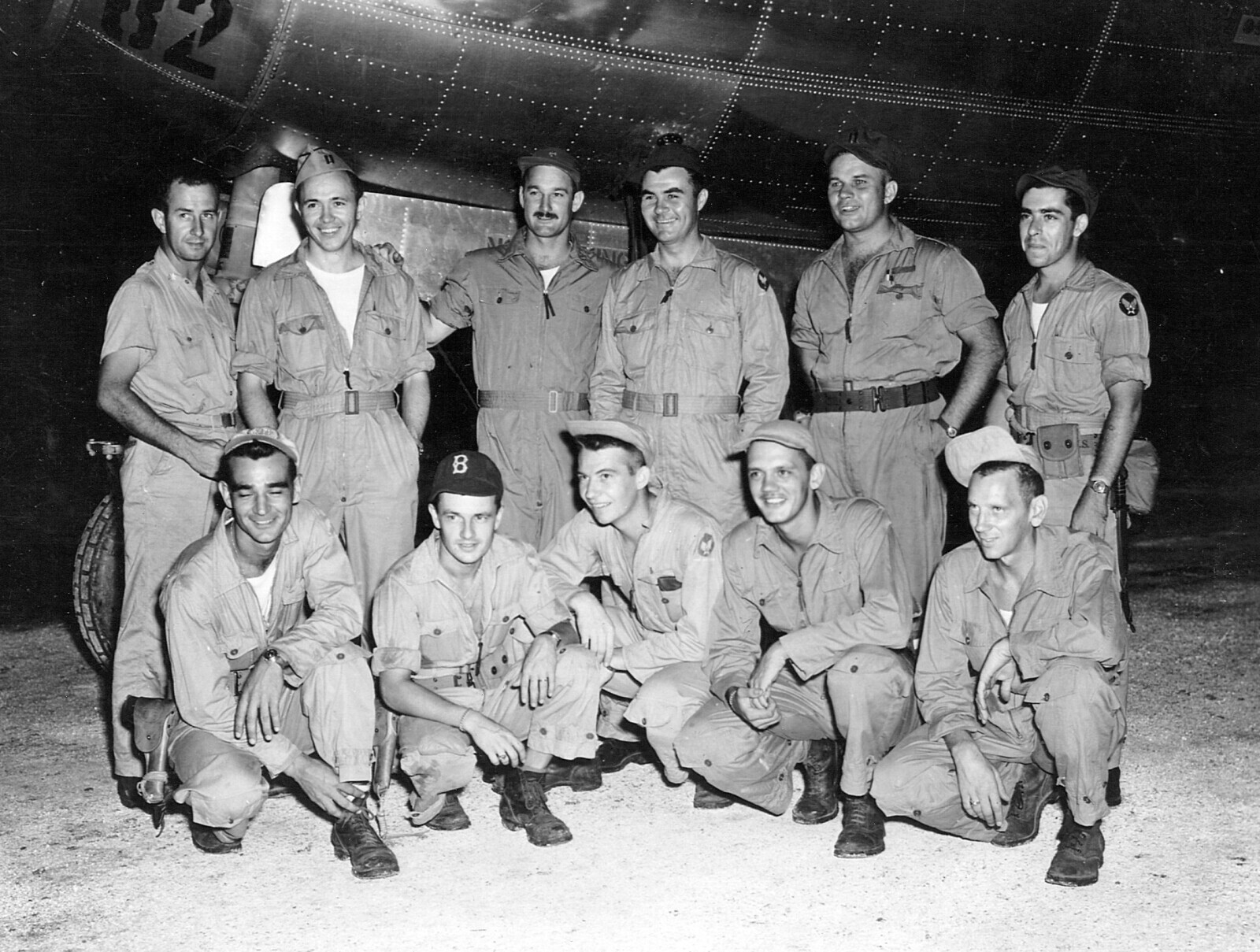
Selected in September 1944 by General Hap Arnold, he led the 509th Composite Group, a top-secret unit tasked with atomic bombing missions.
B-29 Upgrade Guru
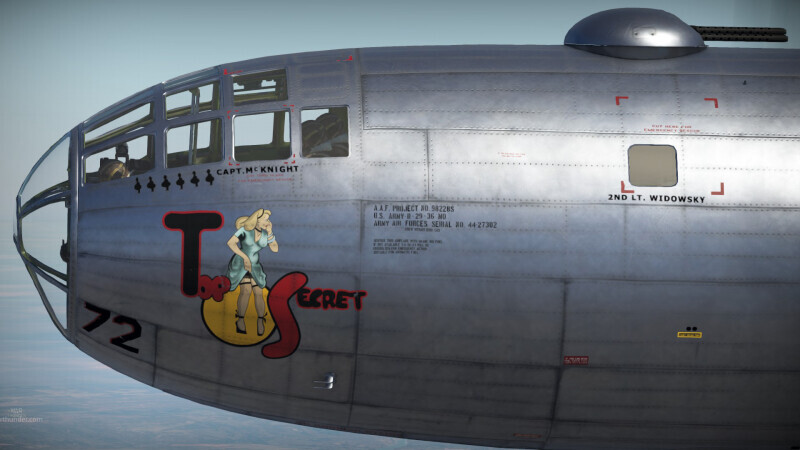
The Boeing B-29 Superfortress he flew was modified for speed and payload, capable of carrying the massive uranium-235 bomb and performing evasive maneuvers.
Enola Gay Naming Rights
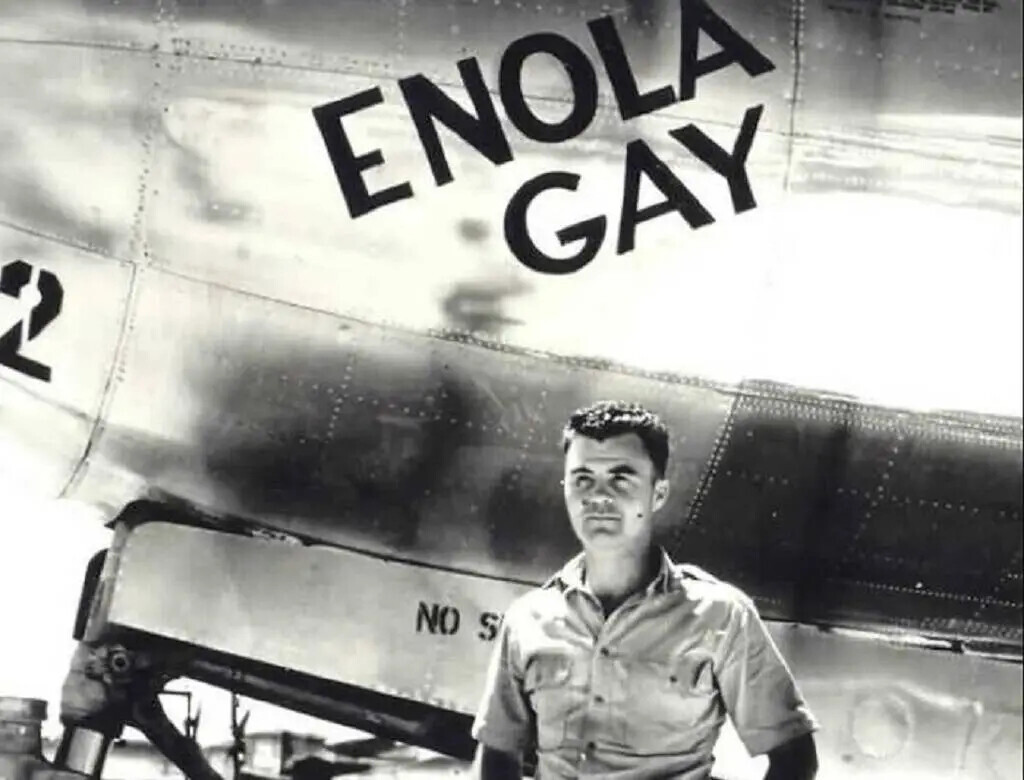
Tibbets named the plane Enola Gay after his mother just before departing for Tinian, turning personal pride into historic notoriety.
Tinian’s Hidden Fortress

Operations launched from Tinian, Northern Mariana Islands, around 2,400 km from Japan, where the base remained isolated under tight military secrecy.
Little Boy Unpacked
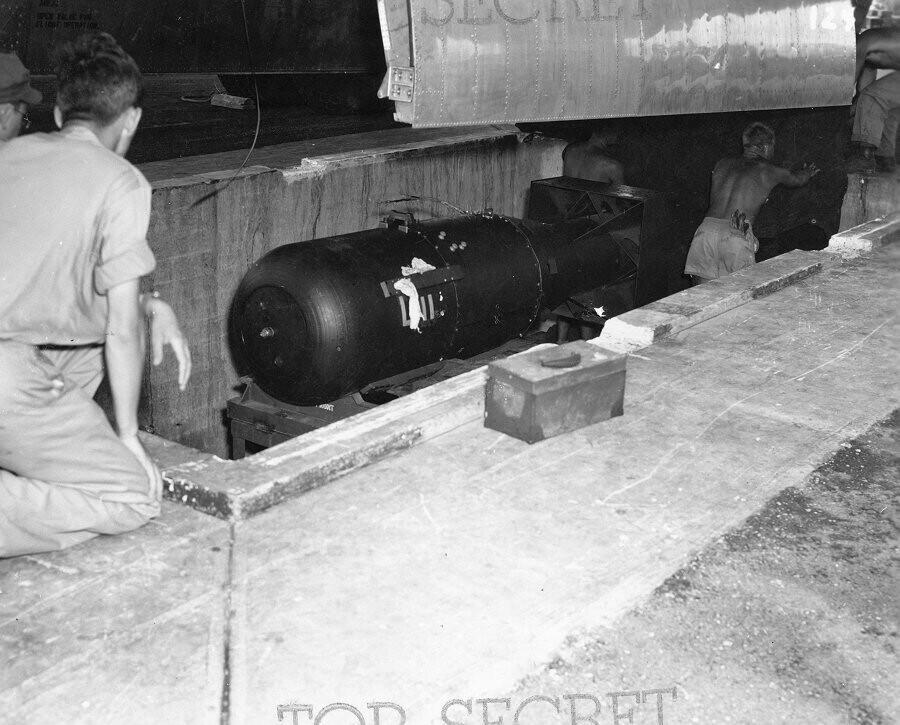
The atomic bomb “Little Boy” was about 3 meters long, weighed 4,400 kg (9,700 lbs), and would be dropped over Hiroshima on August 6, 1945.
Hiroshima Flight
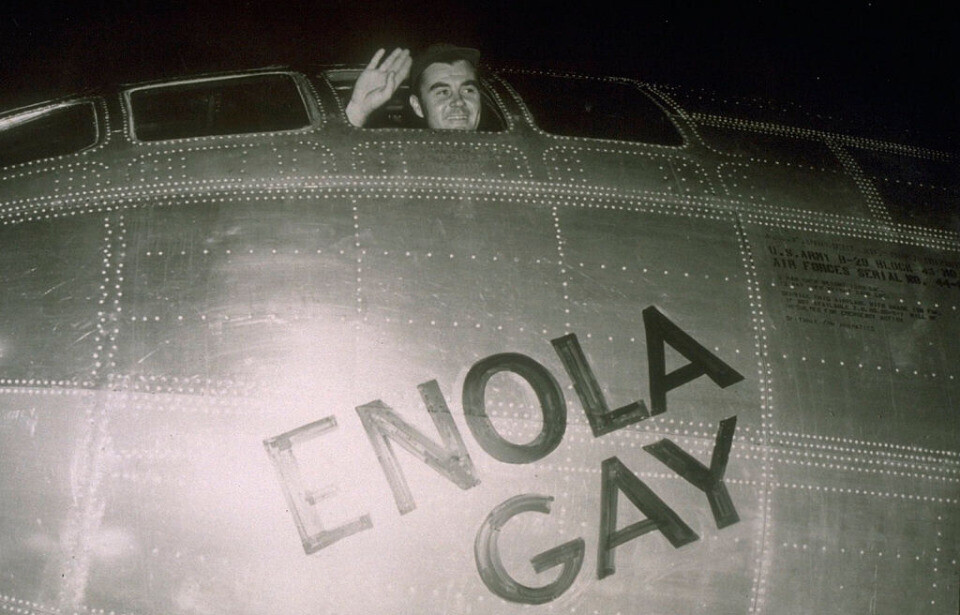
Departing Tinian at 2:45 AM, the Enola Gay released the bomb at 8:15 AM local time, marking the first nuclear strike in history.
Death-Defying Turn
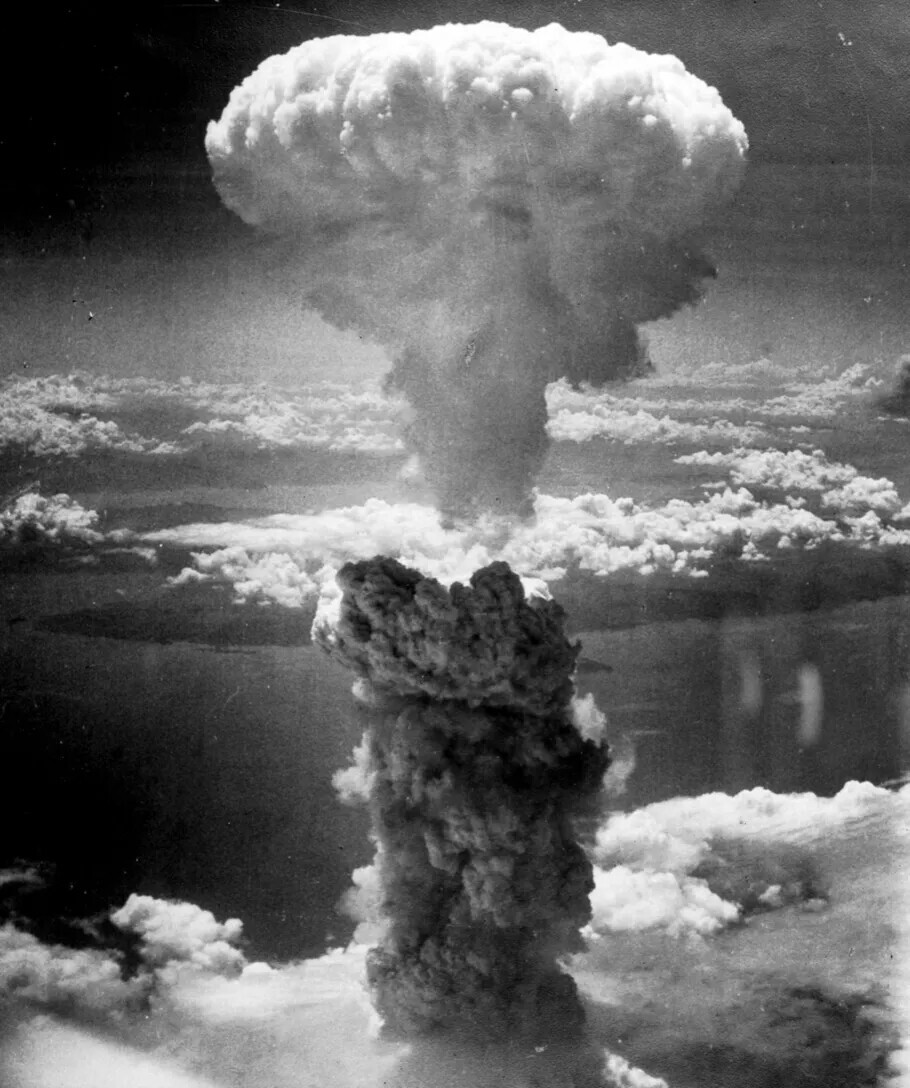
After release, Tibbets executed a 155-degree turn and rapid descent to escape the blast wave, a maneuver drilled endlessly in training.
Air Force Afterlife
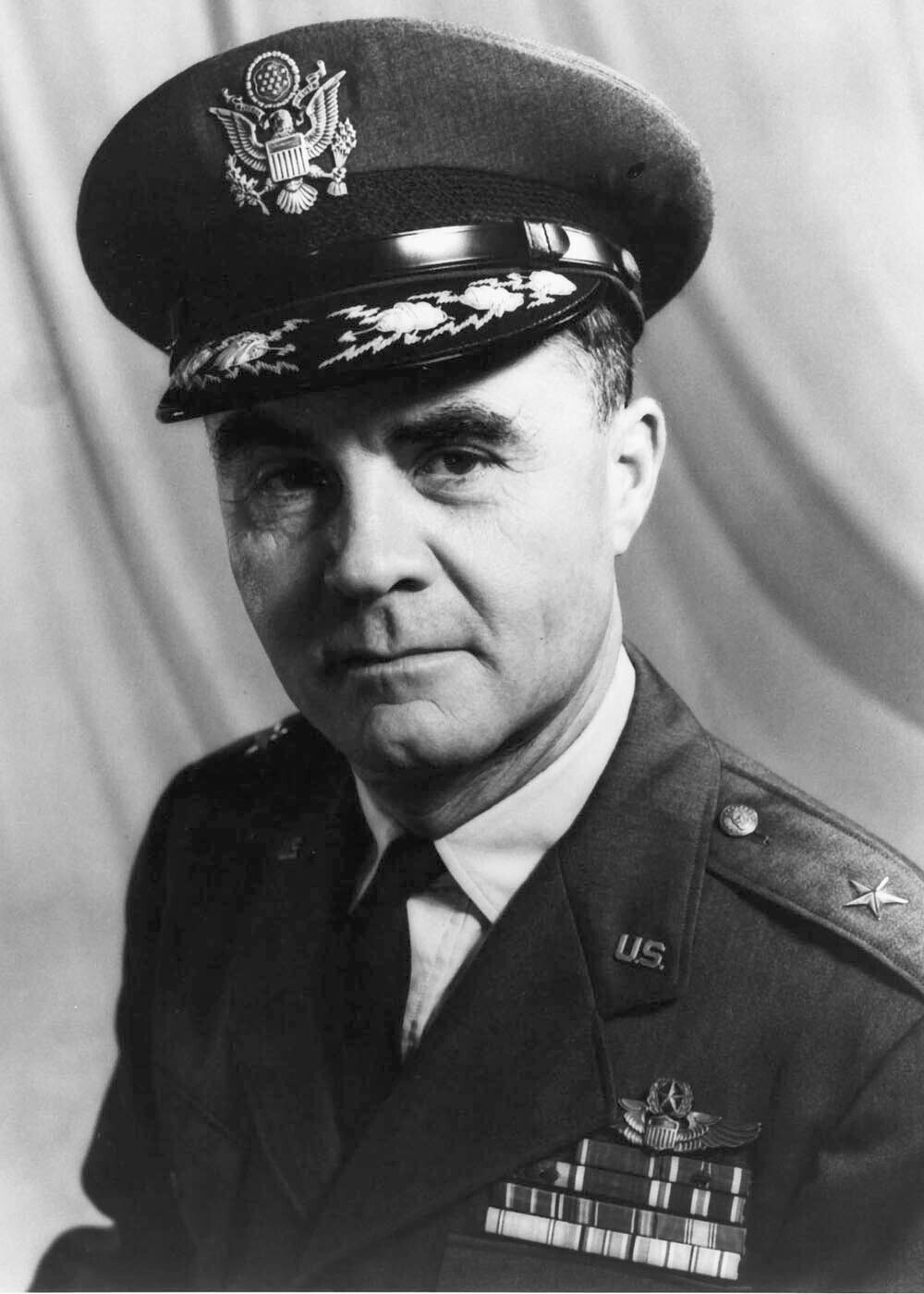
After World War II, Tibbets became a Brigadier General, served in the Air Force until 1966, and worked in aviation consulting, continuing his lifelong flight career.
Unwavering Conviction

Until his death in 2007, Tibbets defended dropping the bomb as a necessary act to end the war, requesting cremation to prevent his grave from becoming a protest site.
