15 Ways Housing of the Future is Being Built
Imagine a world where your house builds itself, repairs itself, and judges your choice of socks. Architects and engineers are transforming what sounds like science fiction into real blueprints, utilizing 3D printing, modular pods, and materials that respond to sunlight, wind, and even rain.
Tomorrow’s homes might grow like mushrooms, float above streets like polite jellyfish, or reshape themselves while you sleep. Some designs are practical, while others are so strange as to make you question humanity and the way we have lived for centuries.
Explore the ways futuristic housing is being built, where dream homes feel like a warm invitation and a slightly terrifying glimpse at the future.
3D Printed House
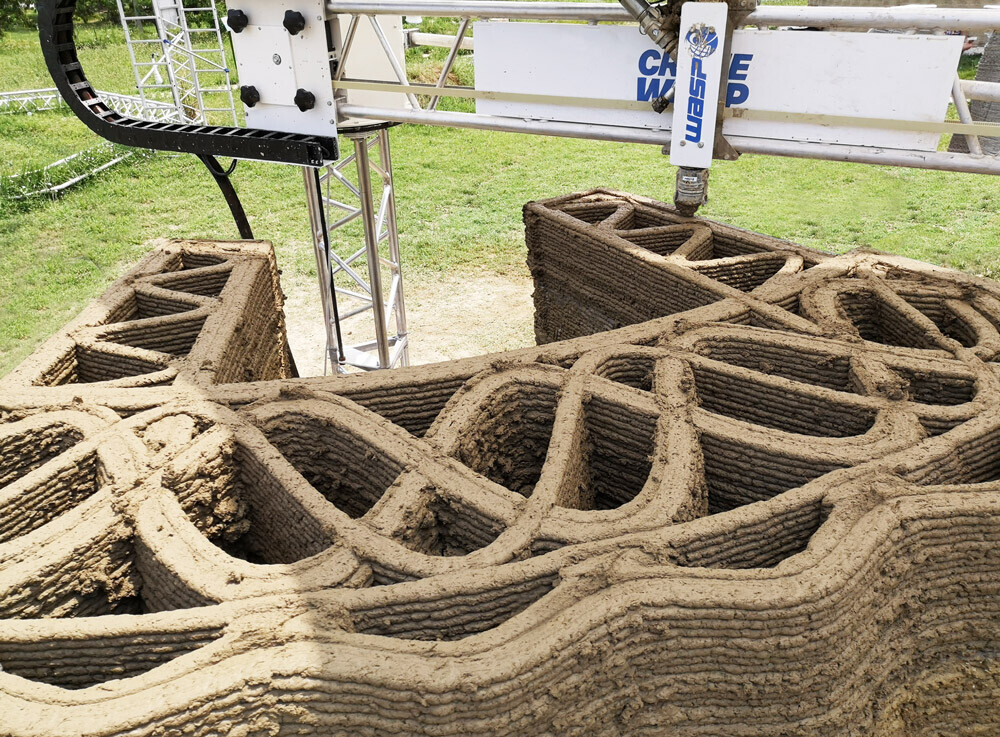
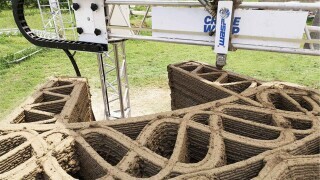
Layers of concrete stack themselves into walls and roofs with almost no human labor.
Thermal Storage Walls
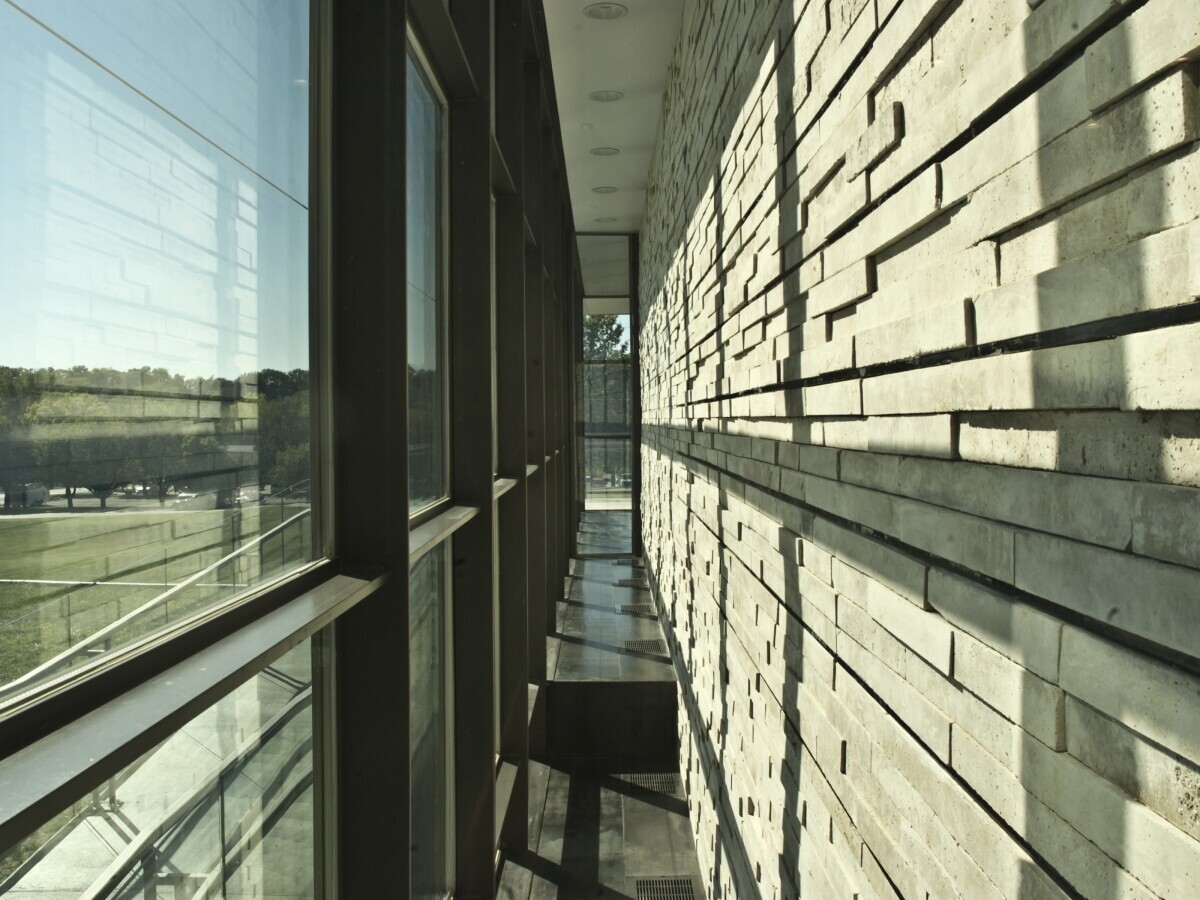
Internal walls store heat or cold to stabilize indoor temperatures using advanced materials.
Self-Healing Concrete
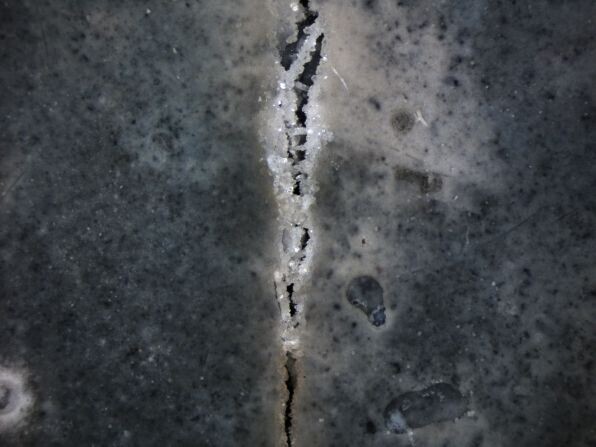
Bacteria inside the walls fill cracks with limestone, literally repairing the house itself.
Water Recycling Systems
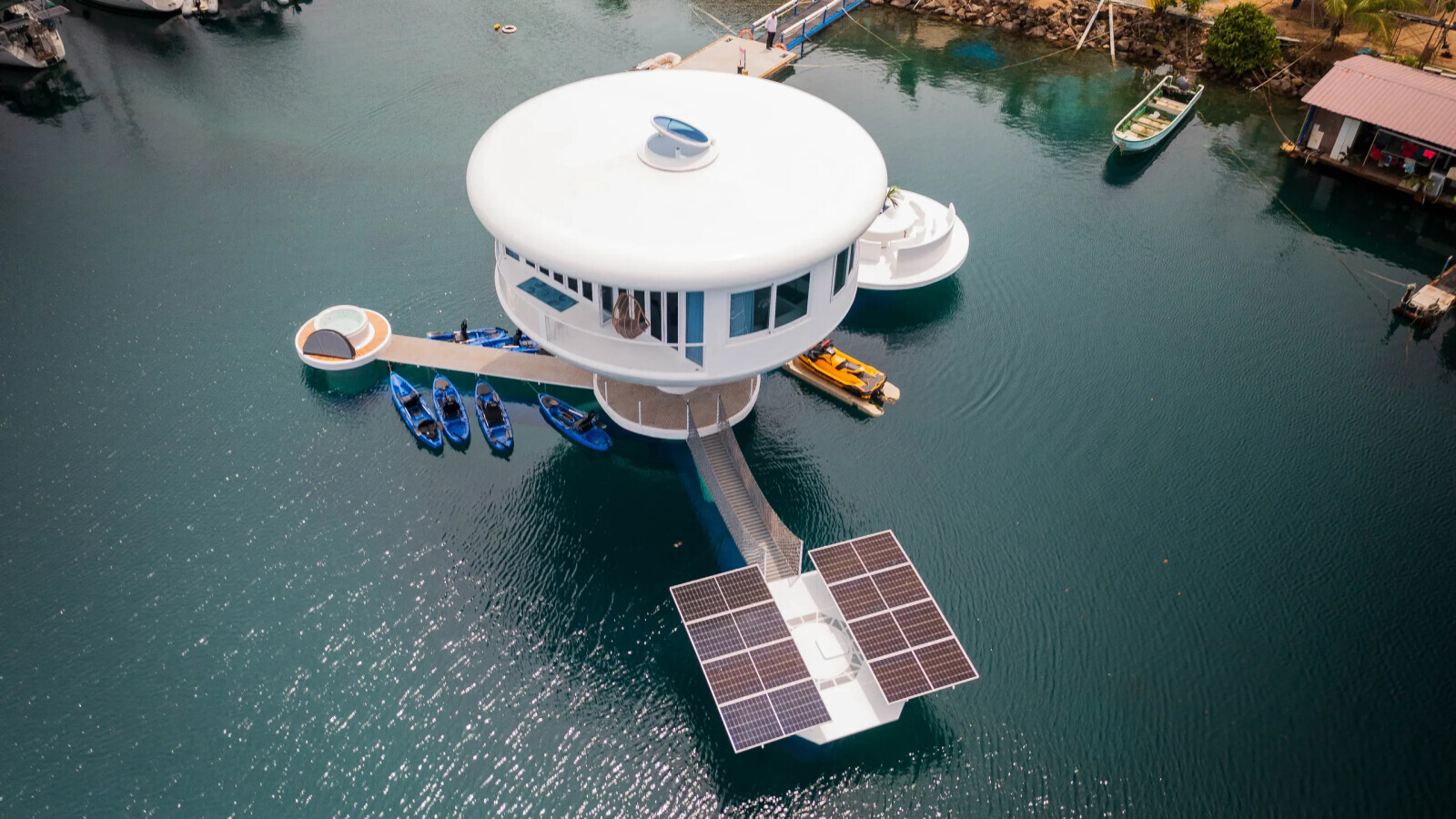
Almost all indoor water is purified and reused, from showers to toilets, saving massive resources.
Inflatable Rooms
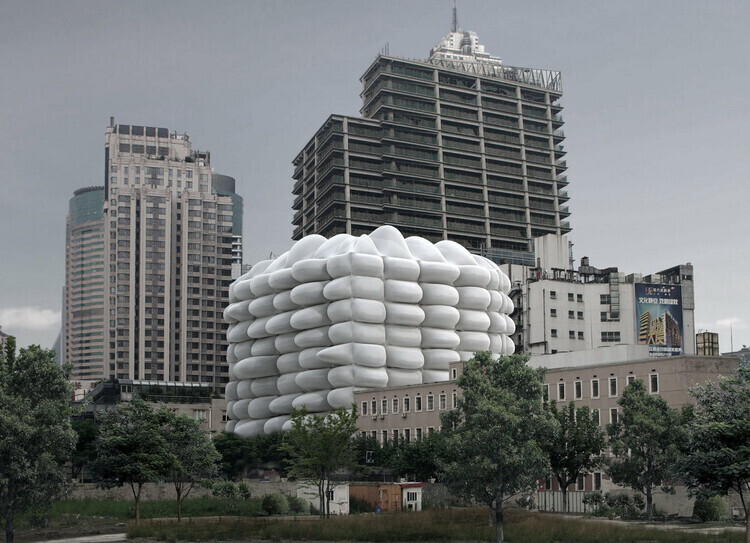
Air-filled membranes let interior spaces expand or shrink, turning offices into bedrooms instantly.
Tensegrity Architecture
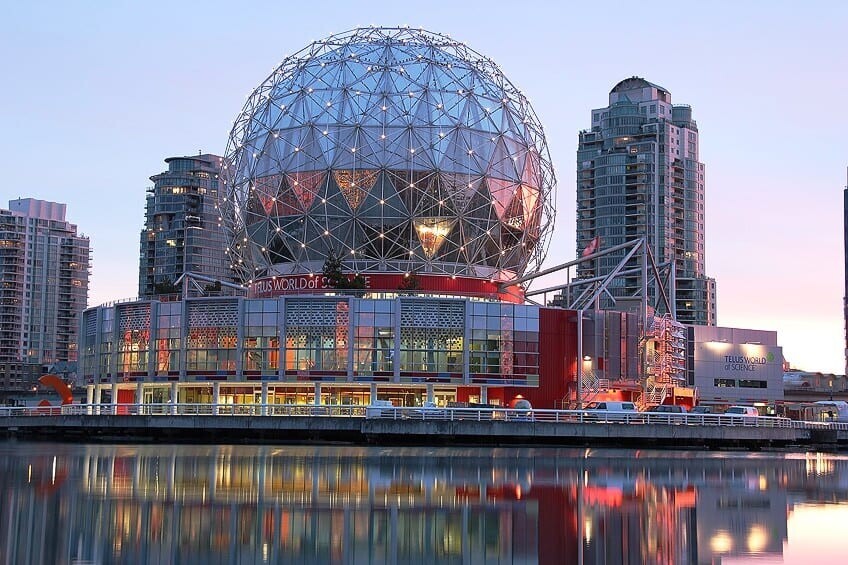
Cables and posts balance tension and compression to create light, flexible structures that resist earthquakes.
Color-Shift and Power Floors

Floors change color with heat and generate electricity when stepped on, turning every footprint into energy.
Amphibious Houses
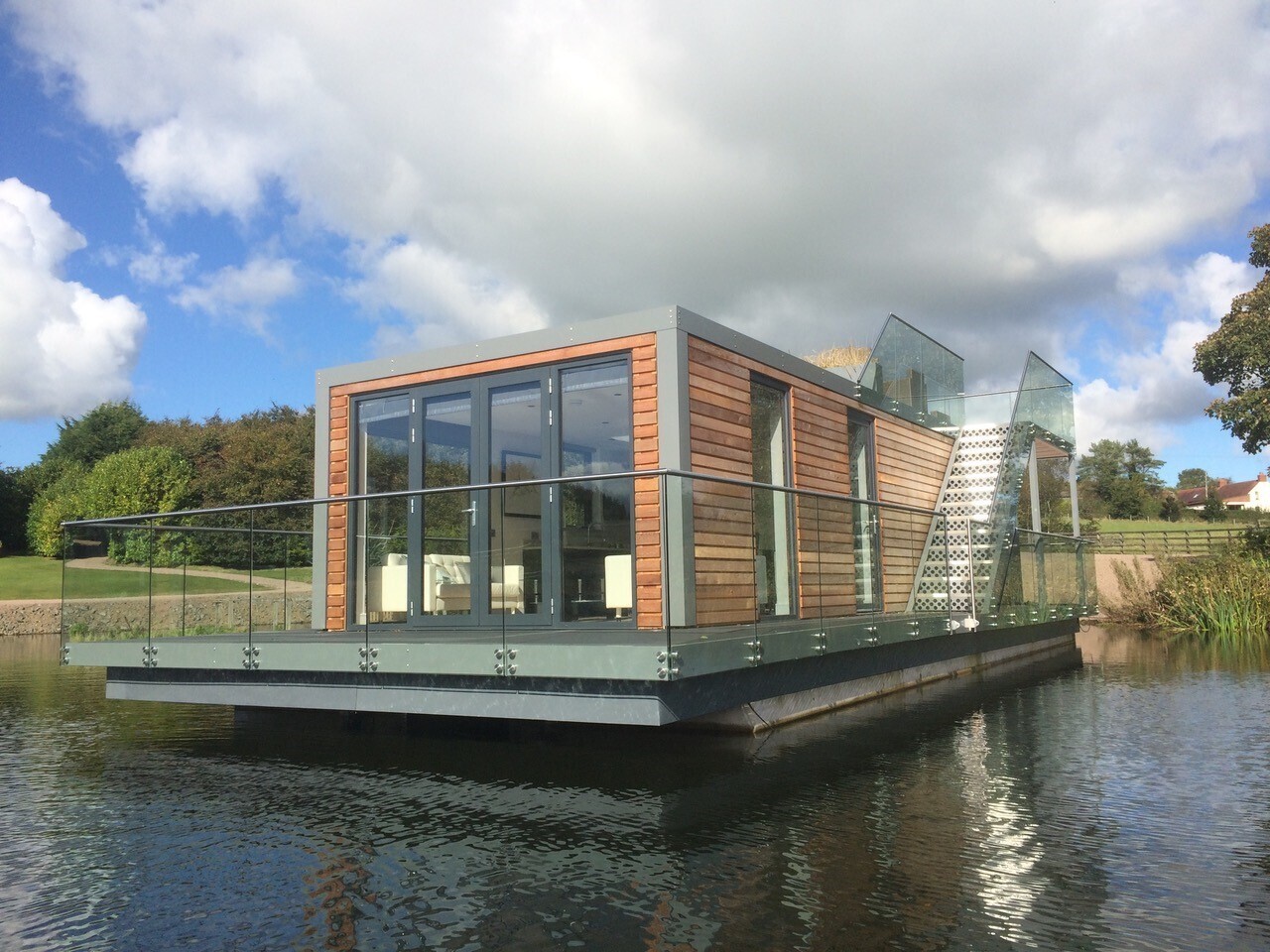
Homes on advanced stilts or floating platforms adapt to rising seas or coastal floods.
Maintenance Drones
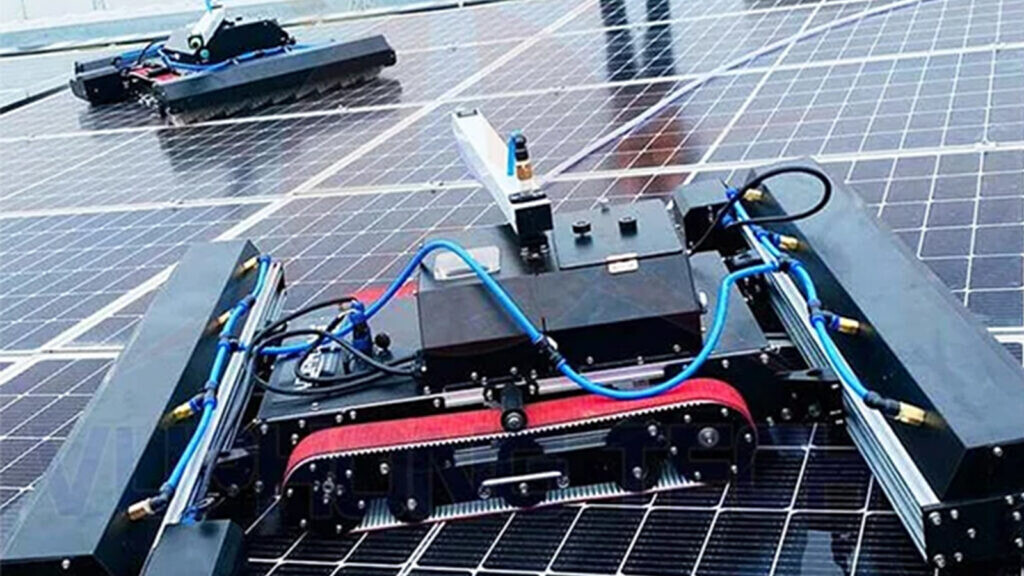
Small robots inspect roofs, clean solar panels, and seal cracks without humans lifting a finger.
Wellness Sensors
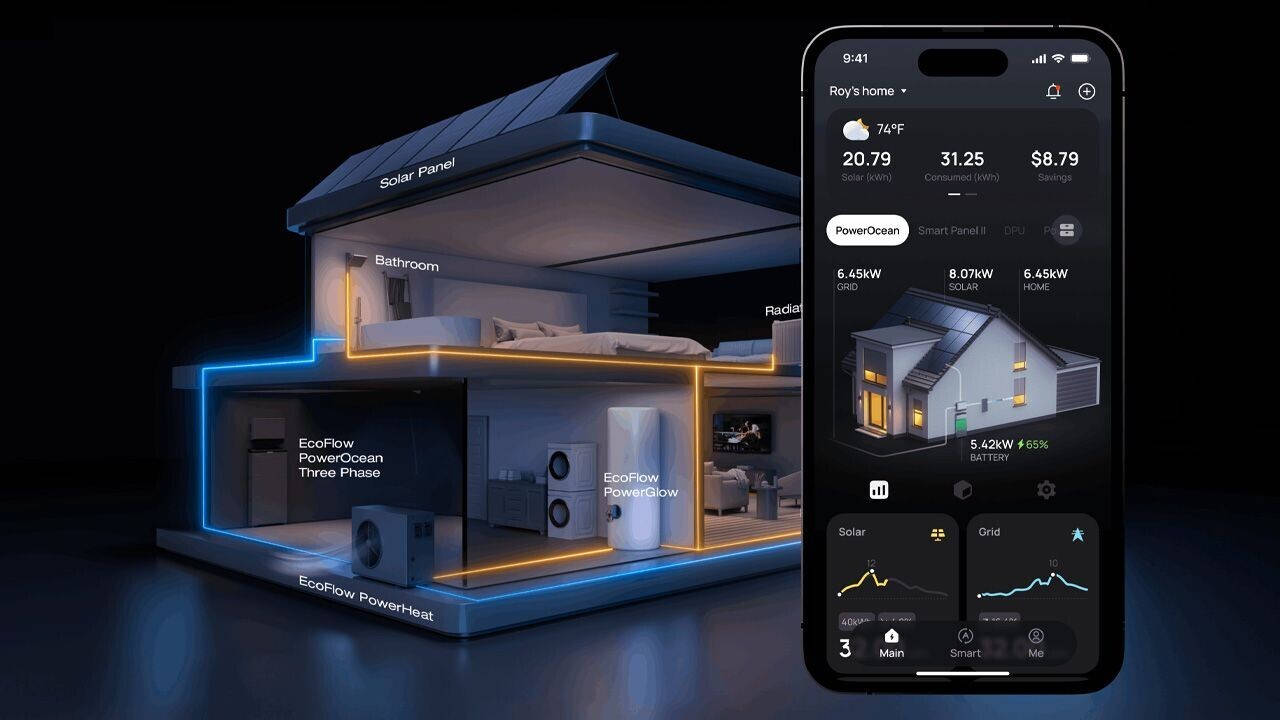
Monitors air quality, energy use, and even sleep patterns, nudging residents toward healthier habits.
Smart Tint Windows
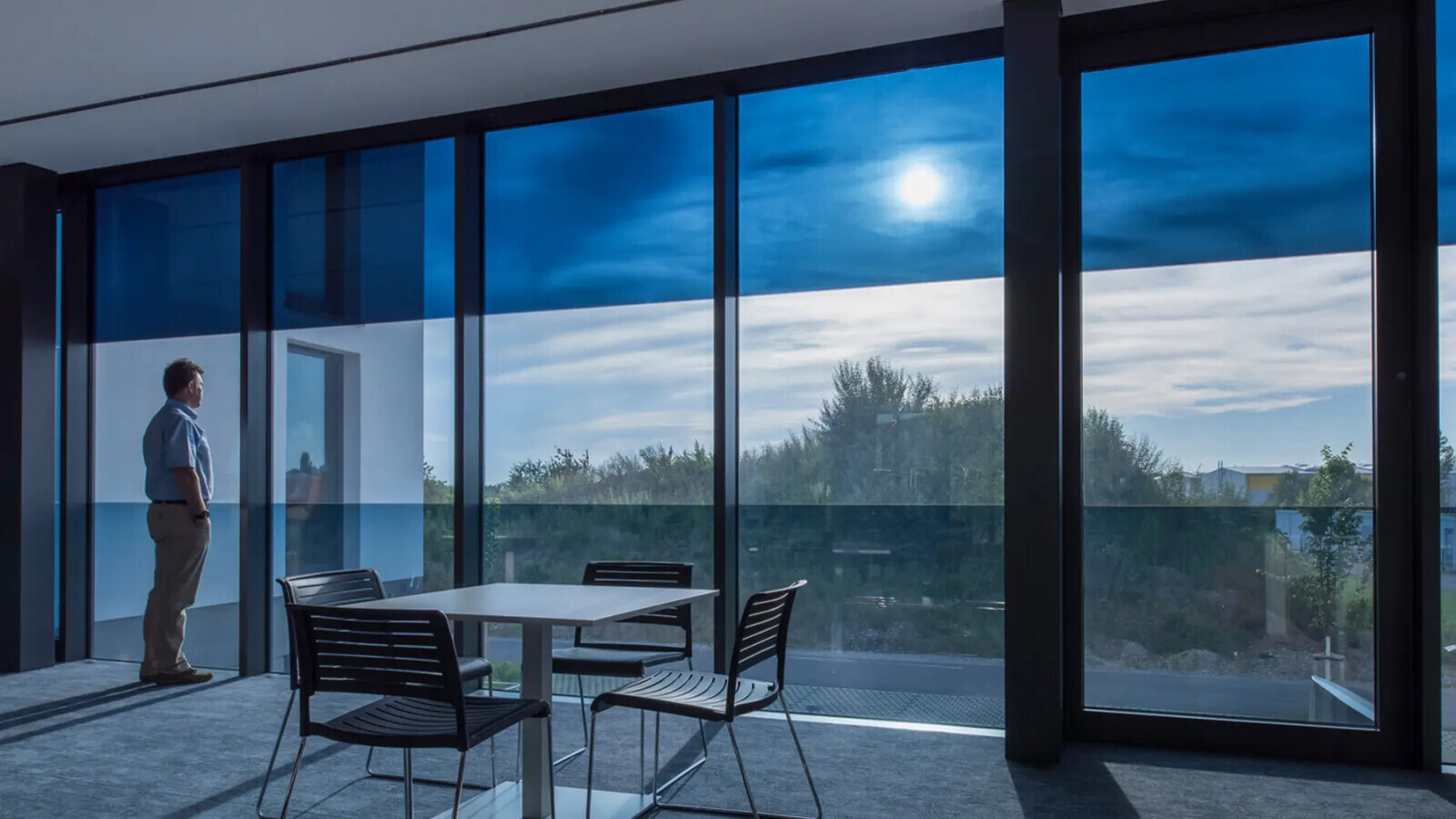
Glass changes opacity automatically or with a switch, managing light and heat efficiently.
Growing Fungal Walls
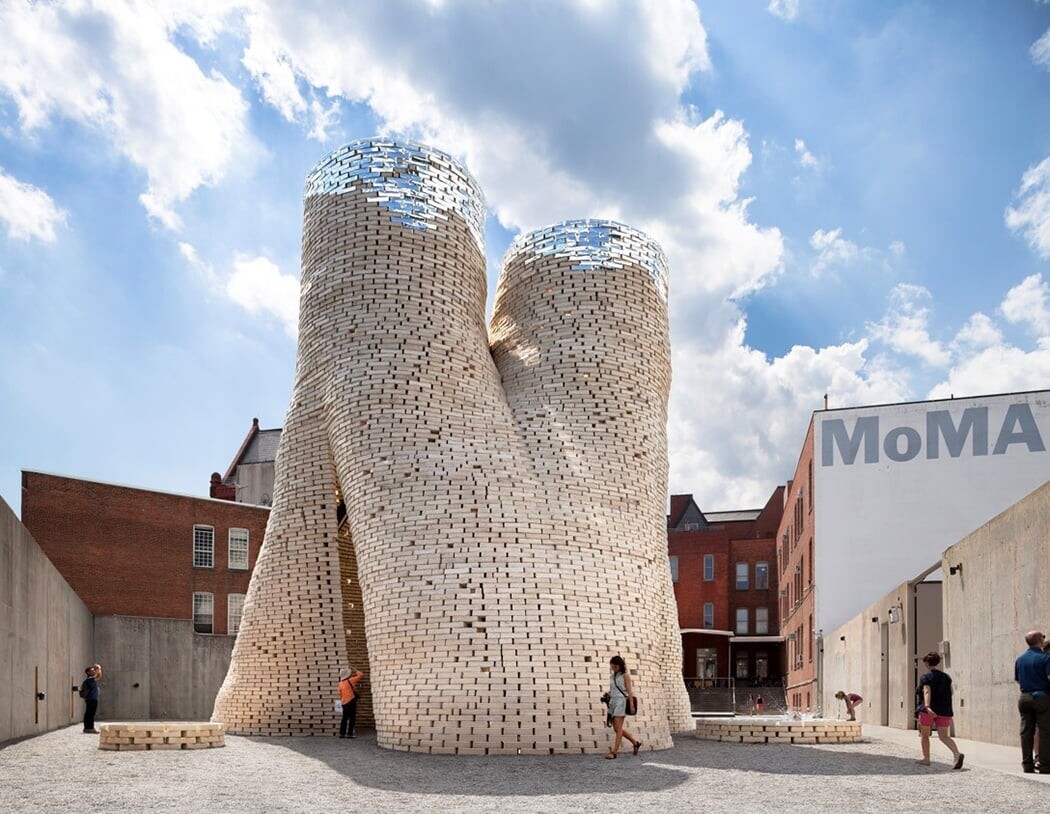
Homes use mushroom roots to create insulation and structural panels that grow over time.
Solar Skin
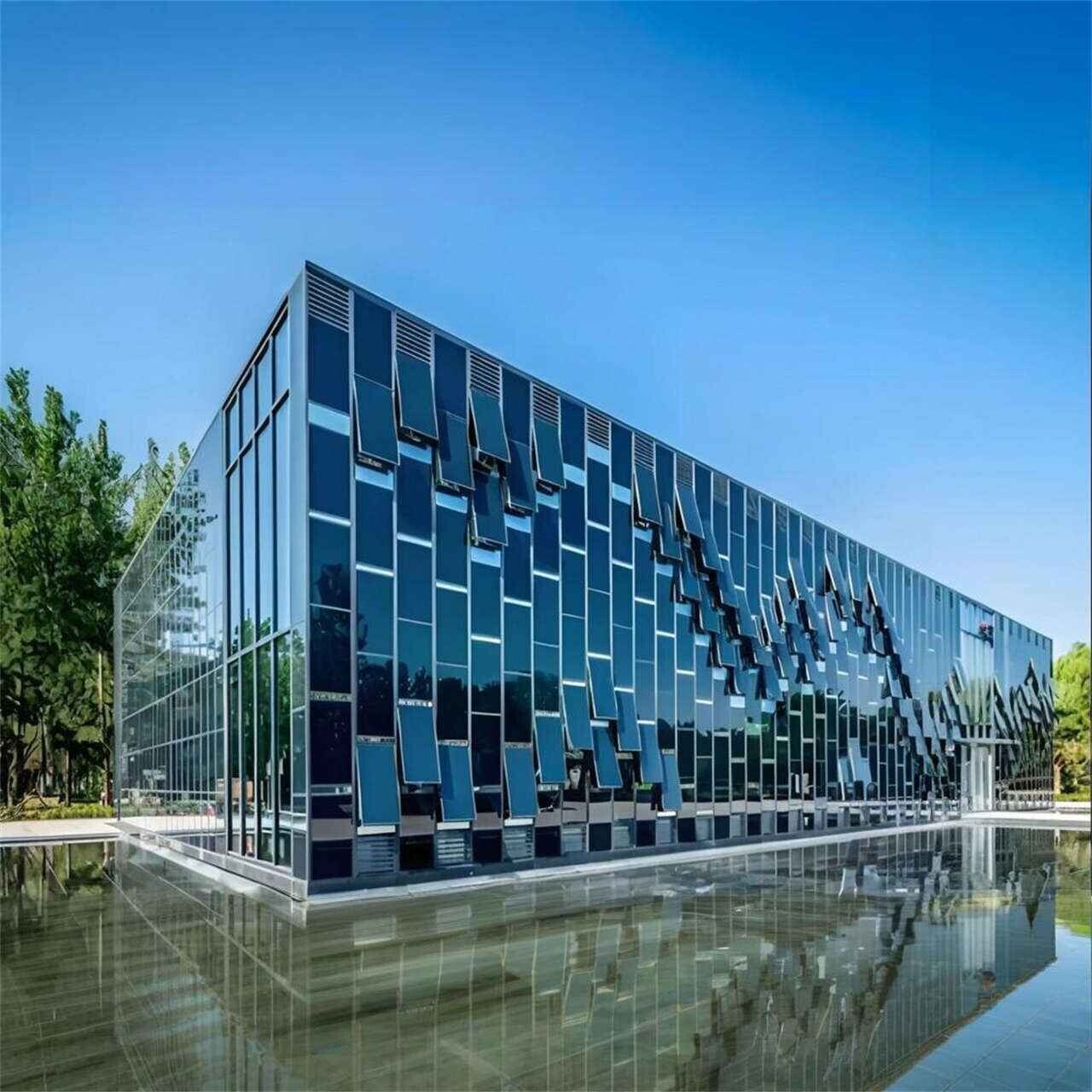
The building’s panels, windows, and tiles all generate electricity while staying part of the structure.
Modular Pop-Up Units
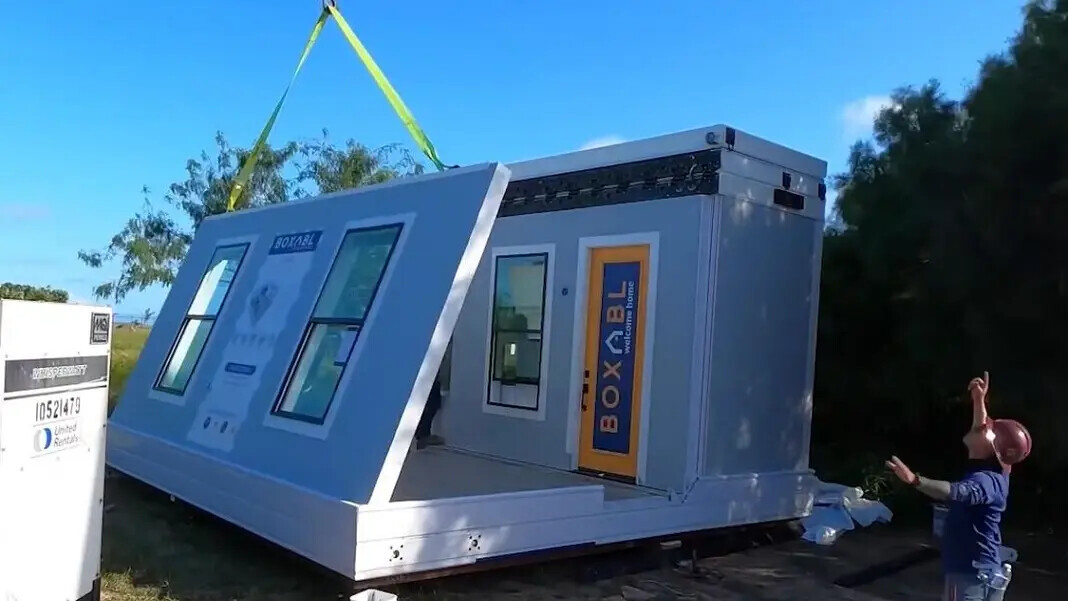
Prefabricated sections arrive folded and unfold quickly, cutting construction time and waste.
Jellyfish Houses
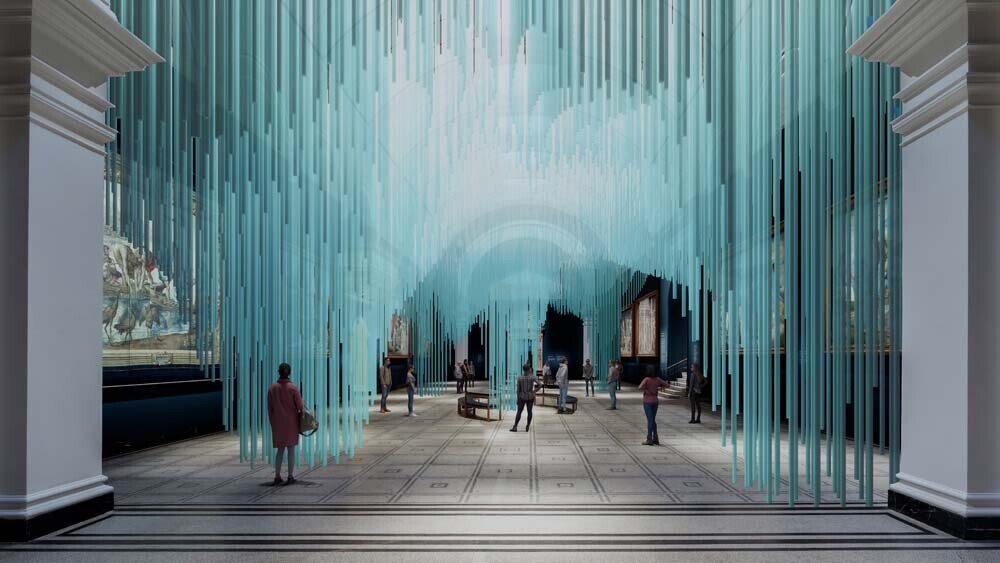
Biomimetic designs slowly move or rotate to follow sunlight or avoid harsh weather naturally.
