20 Times Transformative Technology Came too Early
It's tough to imagine how everything worked before the internet was invented, and this is coming from someone born before the internet was everywhere. Some technological advances change the way we live in such major ways that we never want to go back to older times. However, some inventors are way ahead of their time, and societies are not ready to embrace their inventions, mostly because they don't understand them or they don't have the need yet to use them.
It happened centuries ago, and it still happens to this day with some devices meant to make our lives easier, but still lacking the power to do so properly. In many cases, being ahead of their time could mean the end for a company hanging by a thread, and there are way too many of those cases in recent history, if you know where to look.
Take a look at times when transformative technology came too early.
Virtual Boy
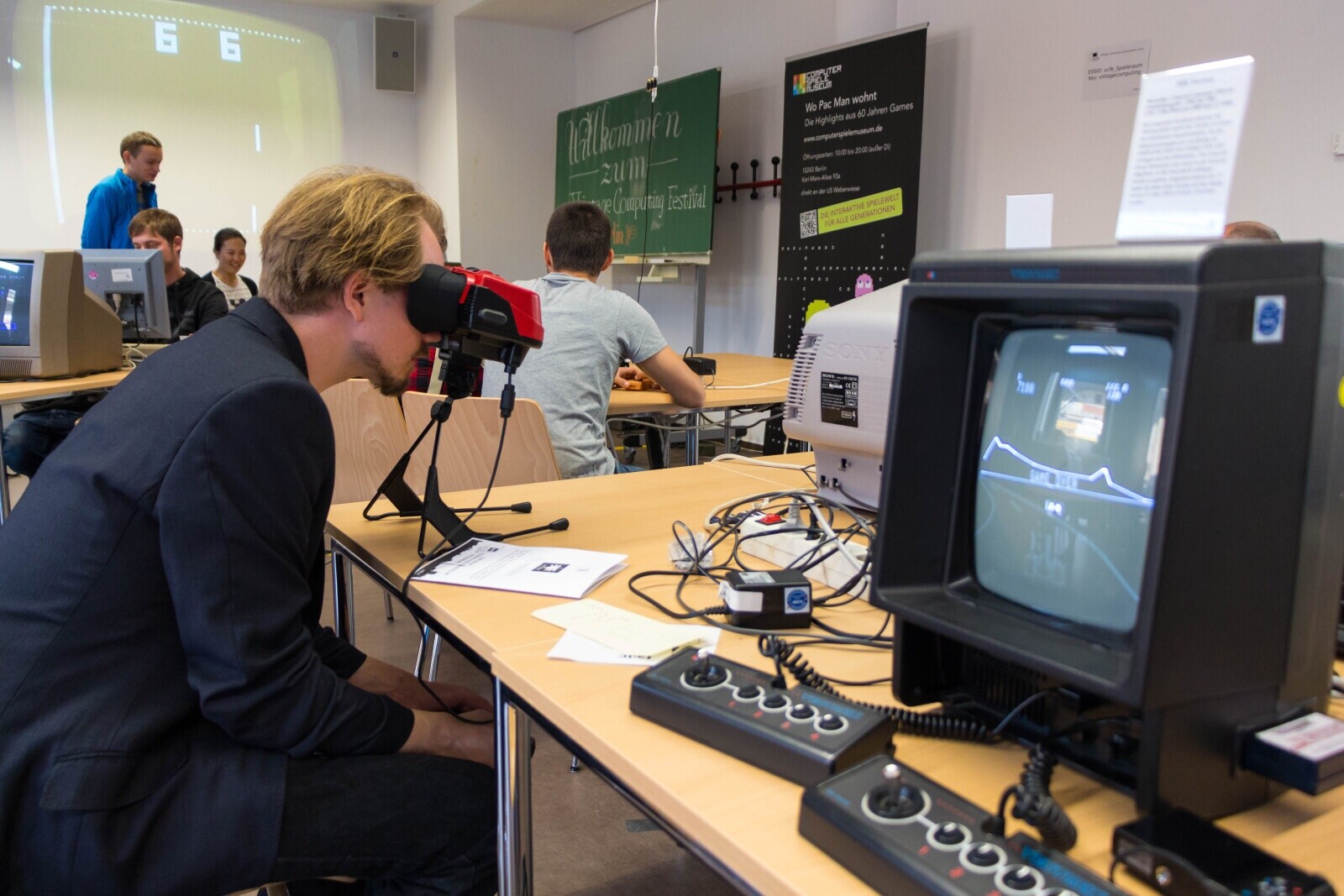
Before Virtual Reality could be a thing, Nintendo tried to reach that ideal with the Virtual Boy, a gaming console that wasn't comfortable to use and could actually hurt your eyes.
Tin Cans

Wars push inventions, and tin cans were key to sending rations to soldiers in different military conflicts since 1810. However, they took way longer to reach the general public, and the can opener was invented 48 years later to satisfy their needs.
Telegraph Cables
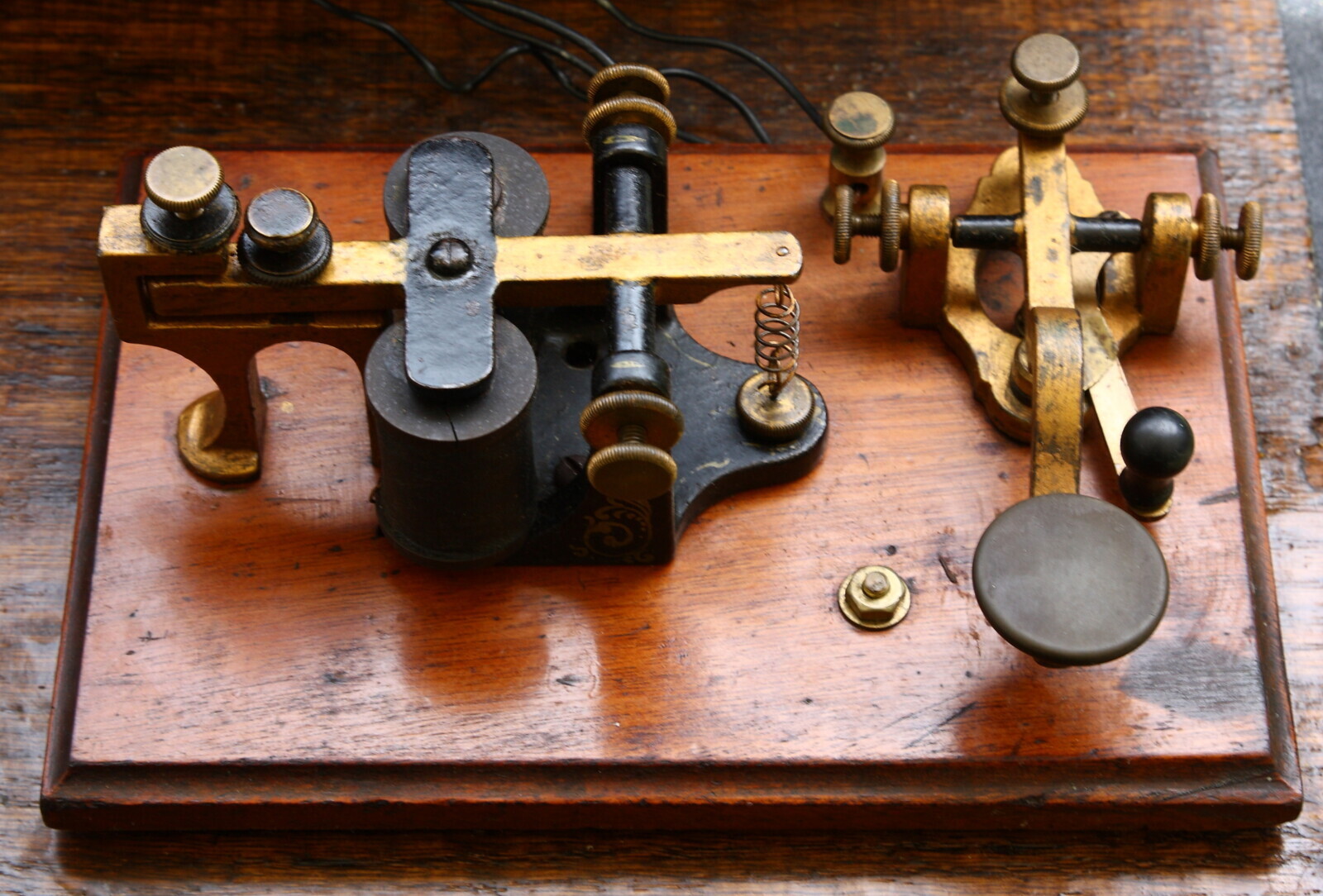
People were using telegraphic communications in 1858, making everything move faster than ever. Before that, the USA could only send ships to England, and getting news like that could take weeks. Telegraph communications weren't widely available until much later.
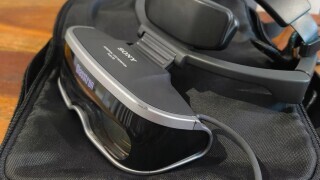
Sony Glasstron
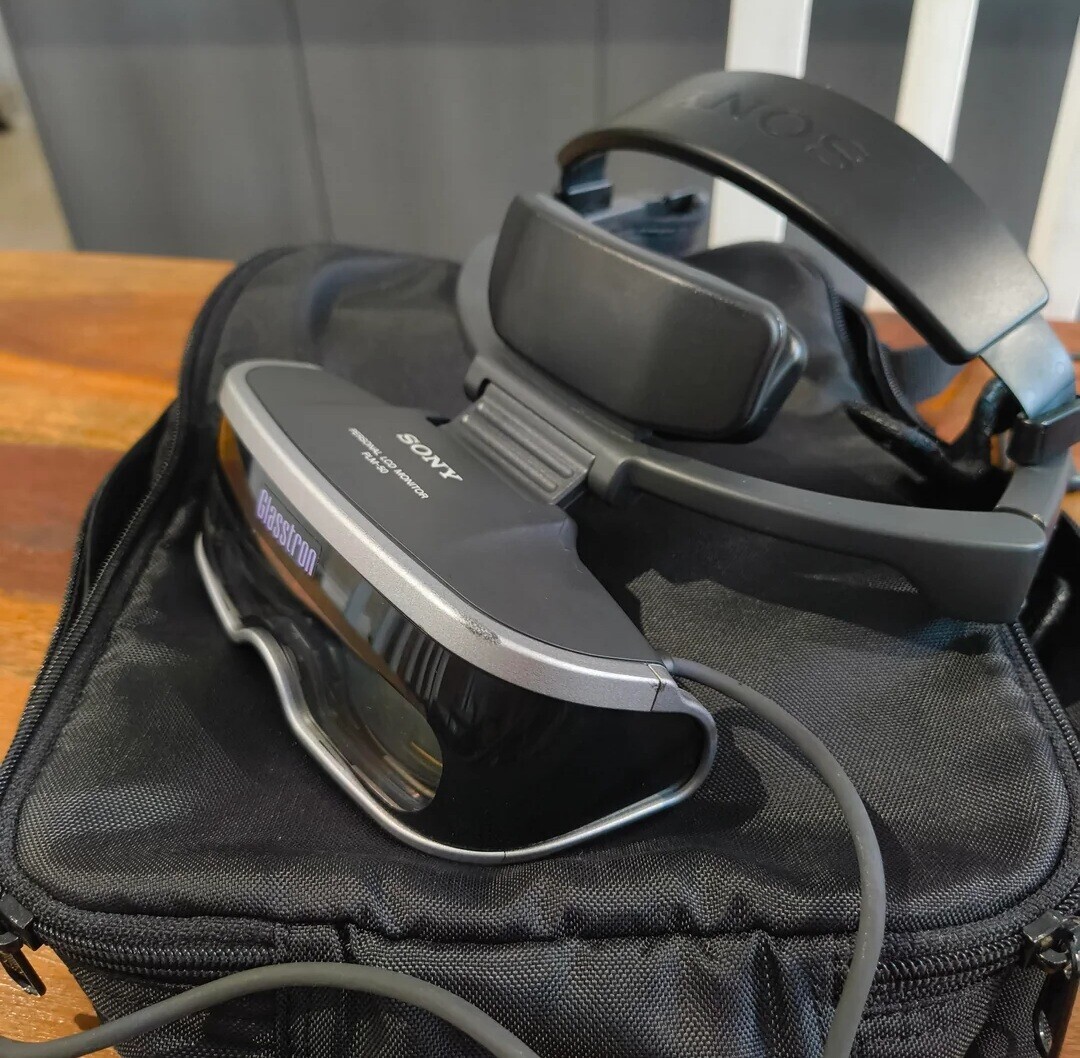
With the most futuristic name they could come up with, Sony released the Glasstron in 1996. It promised VR in high resolution, but there was no such thing as high resolution in 1996. It's a failure buried so deep you'll have trouble finding details today.
SEGA Channel

You can't game today without an internet connection and one subscription or two, but in 1994, Sega wanted to introduce everyone to the internet. You could play demos and access exclusive content through your SEGA Genesis, but it was too expensive and only lasted a couple of years.
The Power Glove
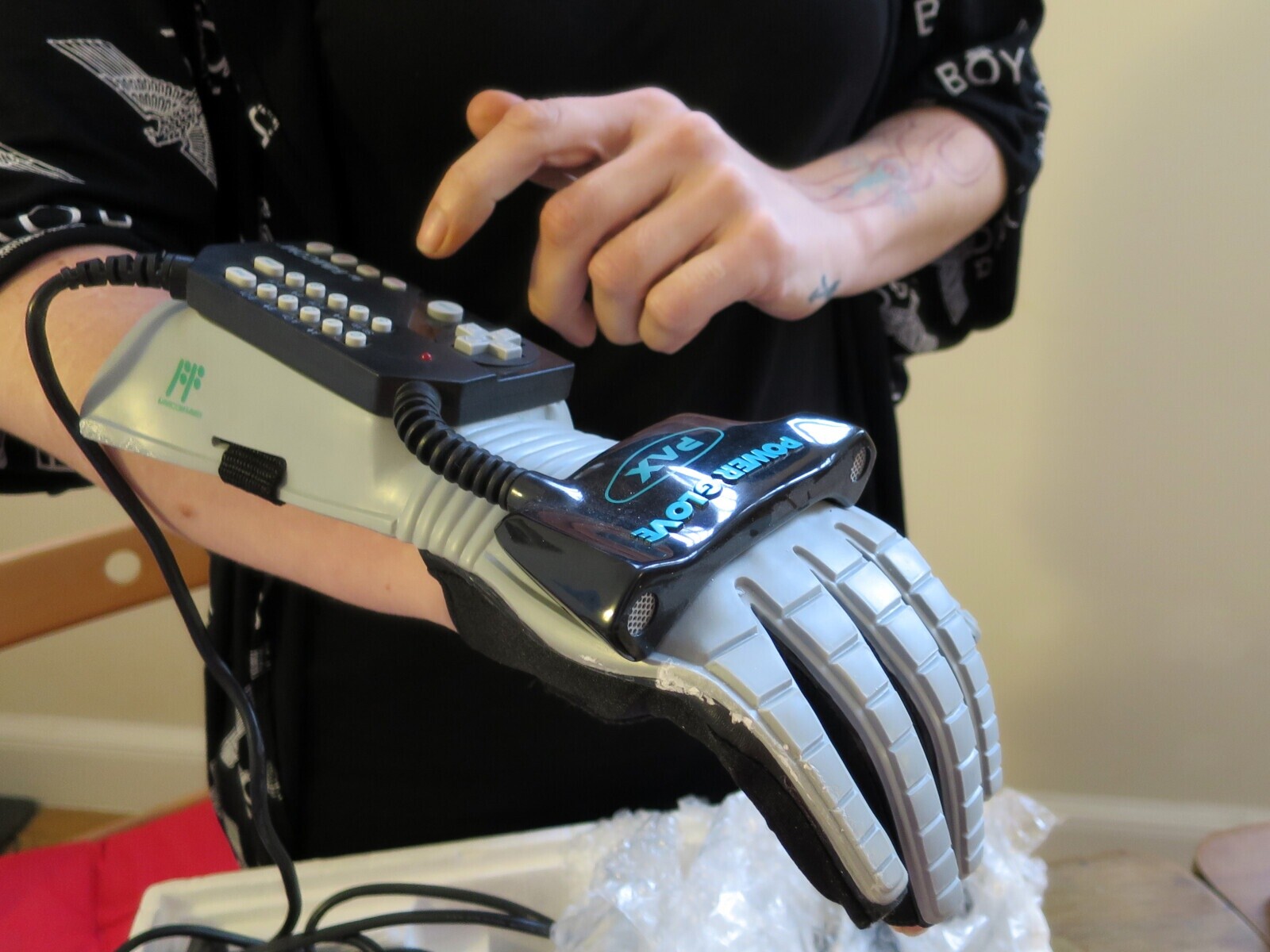
Nintendo's unique controller was too much at the time, and it didn't really work that great, but it'd be a phenomenon today.
Punched Cards
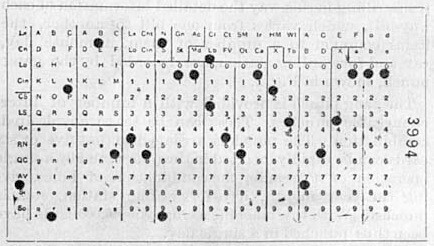
These types of cards are the earliest examples of binary code used to automate processes and operate machinery. They were created in the 1700s and developed over the centuries until they became a key element in the creation of the first computers of the 20th Century.
Kodak's Digital Camera
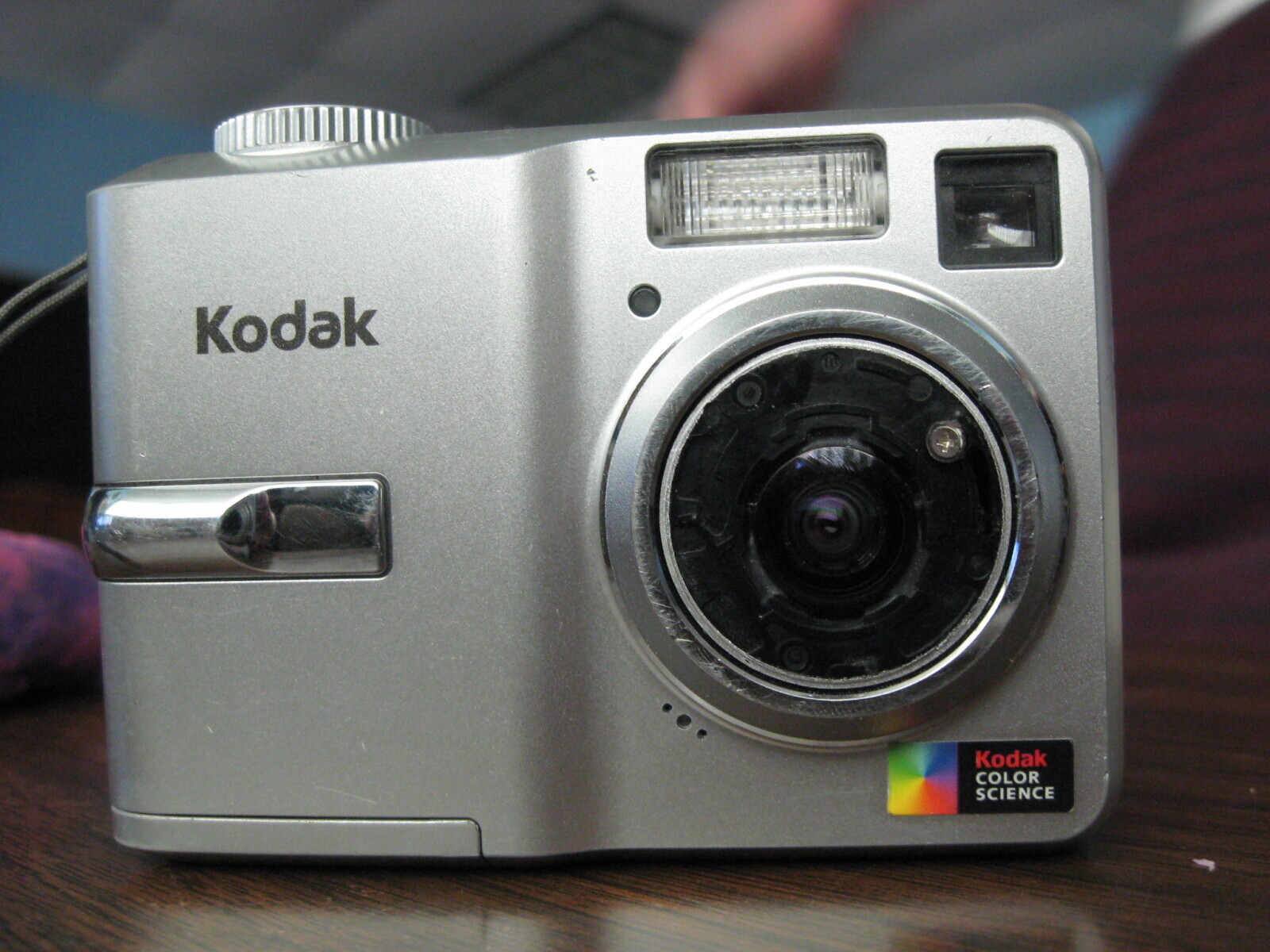
The first digital camera was created by Kodak in 1975, but they were so focused on using reels that they didn't do much with it. Decades later, Kodak went bankrupt for not adapting to the times of digital photography.
General Motors EV1
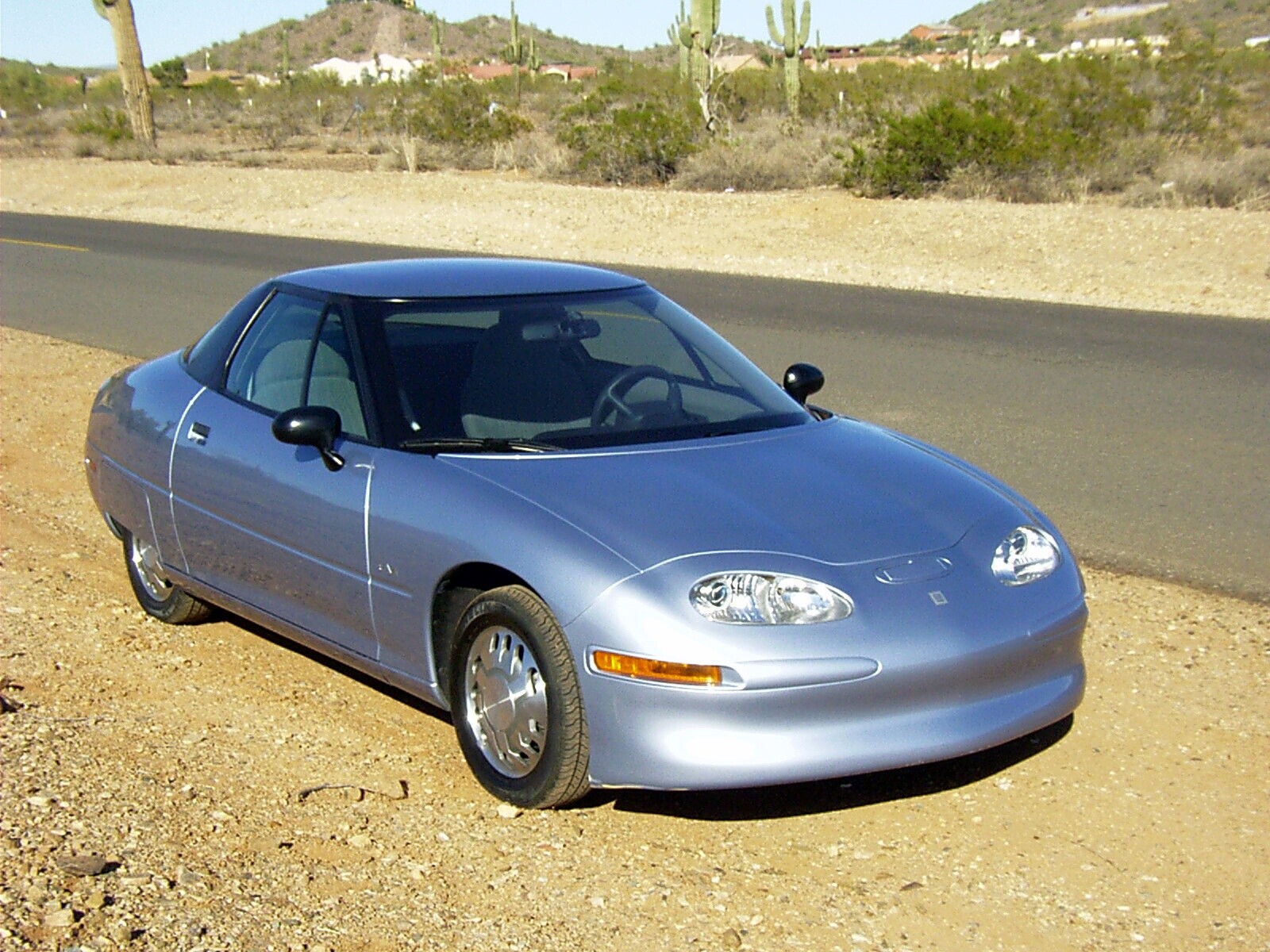
The electric car was launched in 1996 but discontinued in 1999 because the world wasn't ready to save the environment back then.
Fax Machines
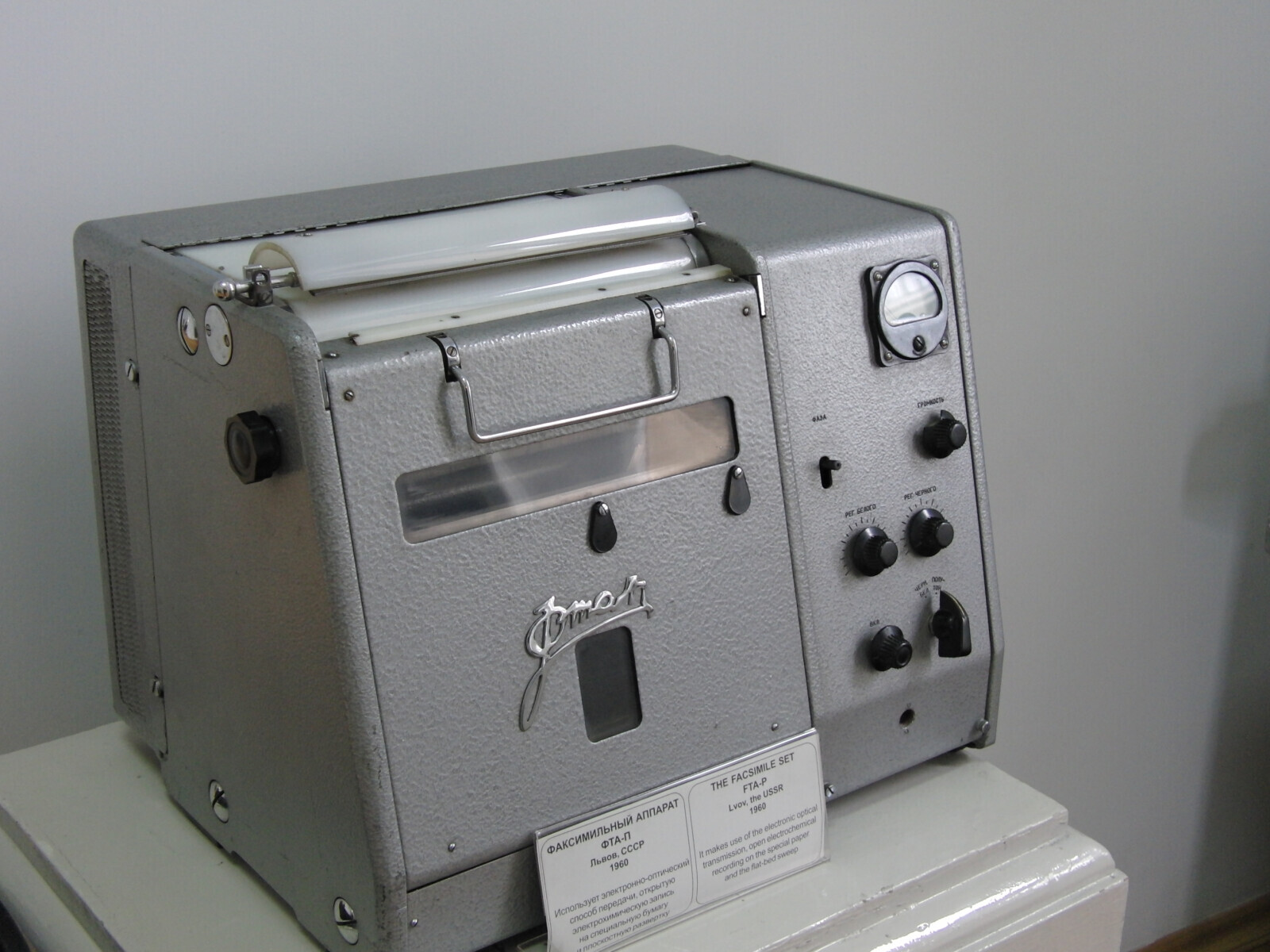
They're a thing of the past today, but did you know they were invented in 1843? That's even before phones were a thing.
Sega Dreamcast
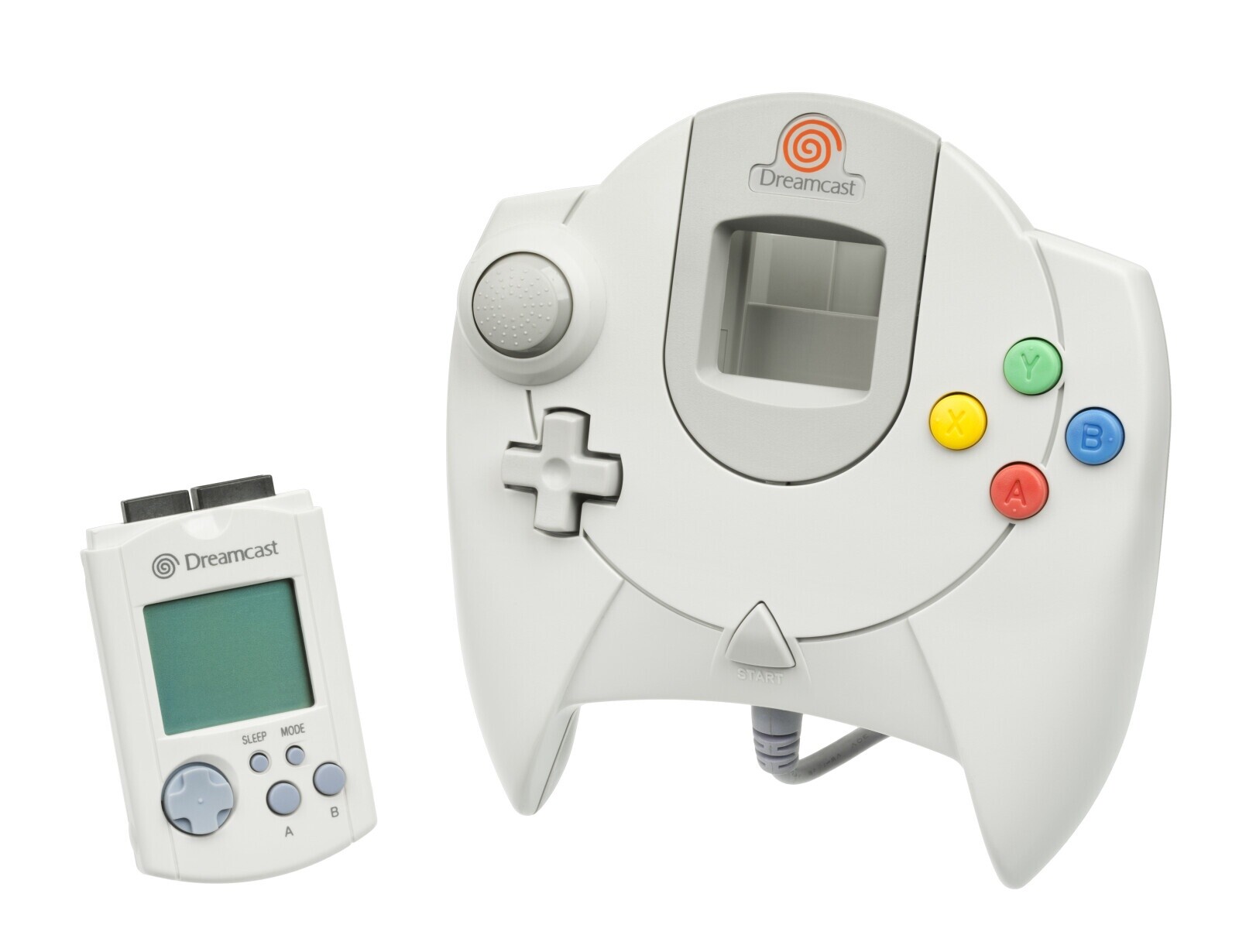
Again, SEGA was ahead of its time with the first console with internet connectivity and portable memory sticks that changed the game. Sadly, the PlayStation 2 debuted a few years later and totally eclipsed its capabilities. Not because the PS2 was better, but it was way more popular and used DVDs.
Apple Newton
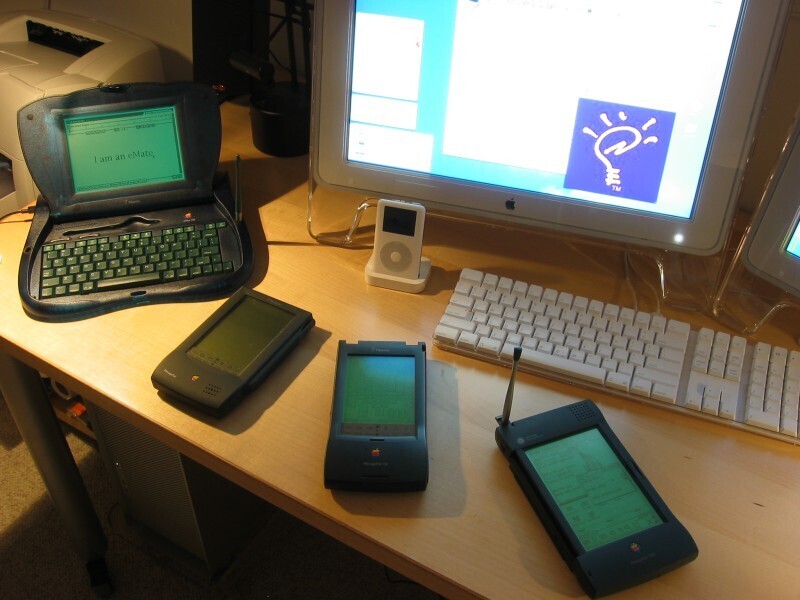
A decade before the iPhone, PDAs were the technology of the future, and Apple wanted in on the action with Newton. Sadly, the technology was not ready for everything Apple wanted it to handle, and they became obsolete pretty quickly.
Palm Treo
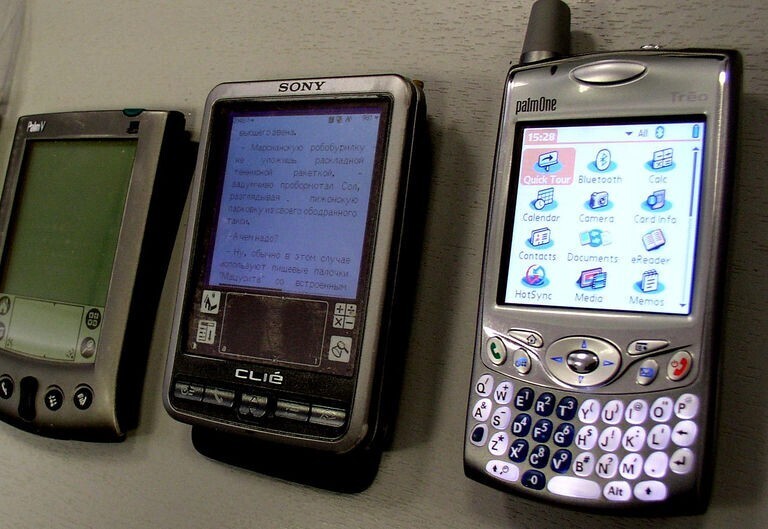
The iPhone revolutionized everything, but a few years before that, Palm was already making phones everybody wanted. Sadly, being ahead of its time meant they didn't know what people wanted from smartphones, so the competitors quickly surpassed them.
1986 Buick Century T-Type
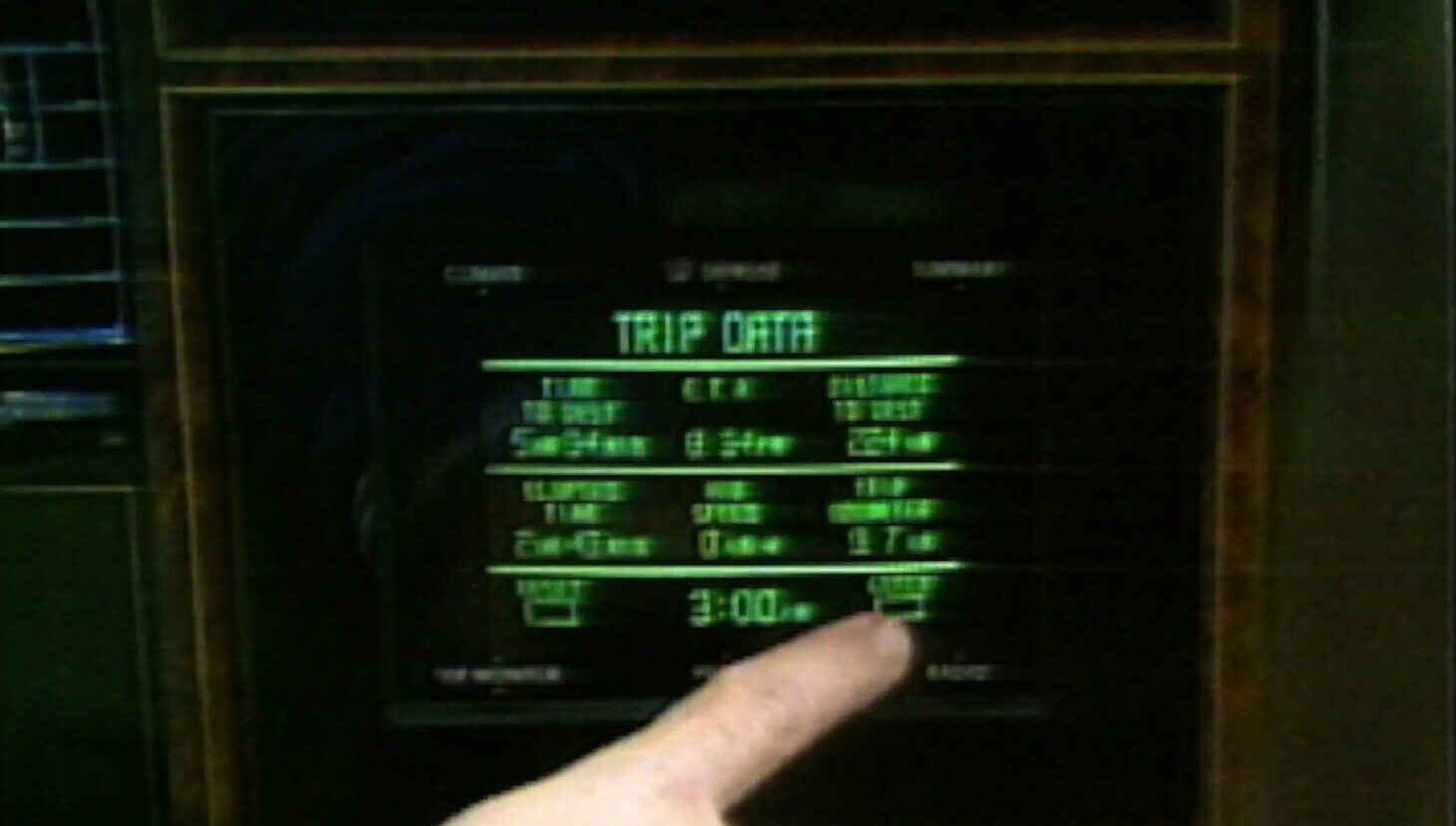
The car included a CRT touch screen to check fuel levels and other features in a time when touch screens were mostly part of sci-fi shows.
WebTV
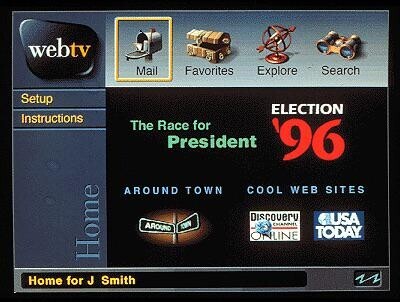
WebTV was a device that allowed you to turn your TV into a computer to navigate the internet and check your emails. It was meant for people who didn't have a PC at home, and it involved a subscription that a lot of people were willing to pay for. It sounds and looks ridiculous today, but it was revolutionary while it lasted.
Lighters
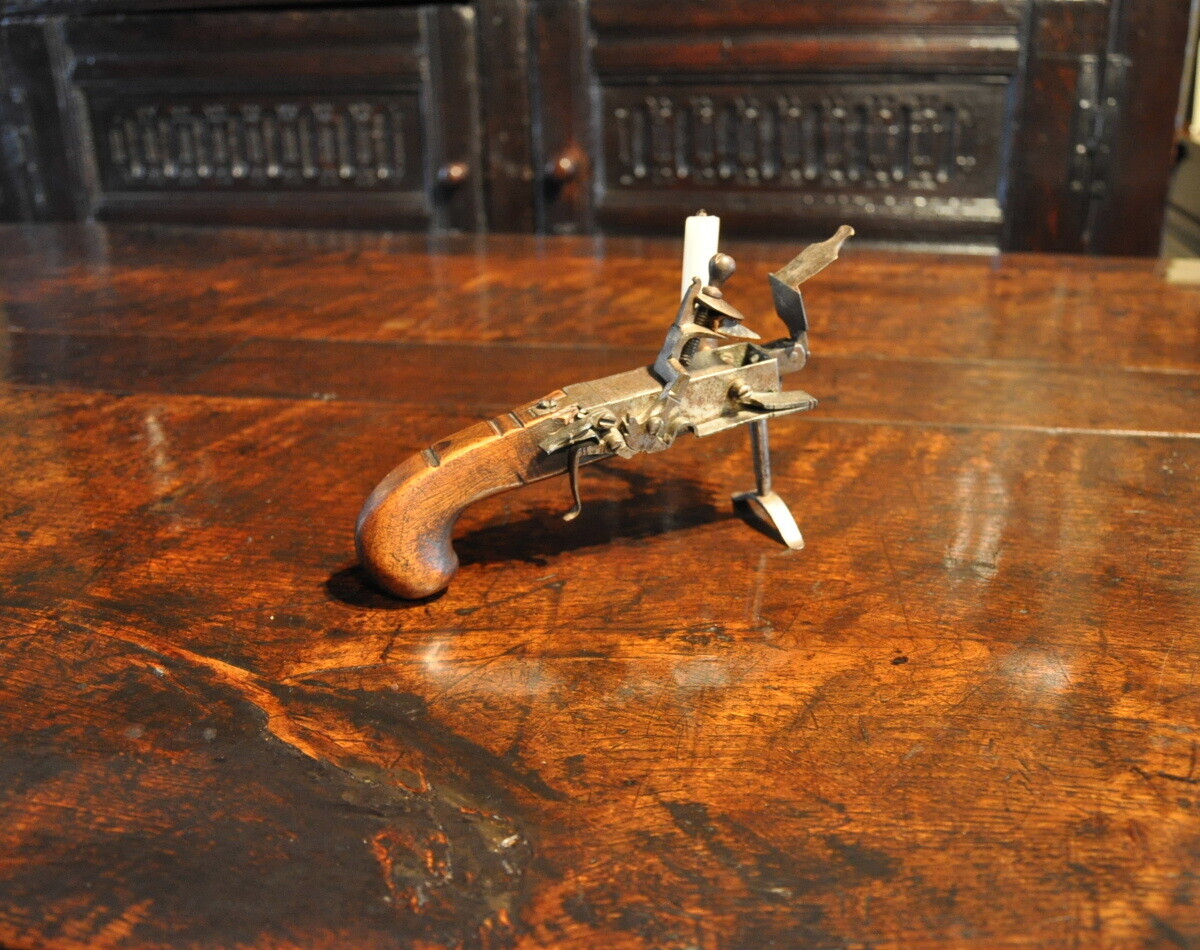
The first lighters were modified pistols from the 16th century, but matches weren't invented until the 19th century. If you thought lighters were created to replace matches, think again.
Friendster

Before Facebook, there was Friendster, and it had good intentions, but it was too early for social media.
Microsoft SPOT Watch

Just like SEGA, Microsoft was always thinking ten steps ahead, but that wasn't necessarily a good thing. The SPOT Watch was an early smartwatch that couldn't handle the power. It was part of the SPOT initiative (Smart Personal Objects Technology) to make appliances that could send and receive data, but it was discontinued due to low demand.
Microsoft Courier
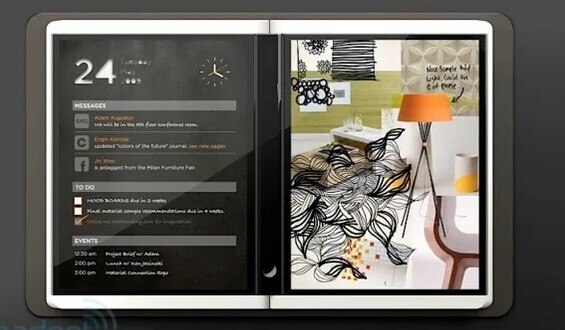
Another failed attempt from Microsoft was this digital notebook. Microsoft didn't even market it and totally shelved the project when everyone wanted to know more. A decade later, they showed the Surface Neo, which looked like a similar concept, but they didn't release it either. Whenever they do, it will probably be too late.
Antikythera Mechanism
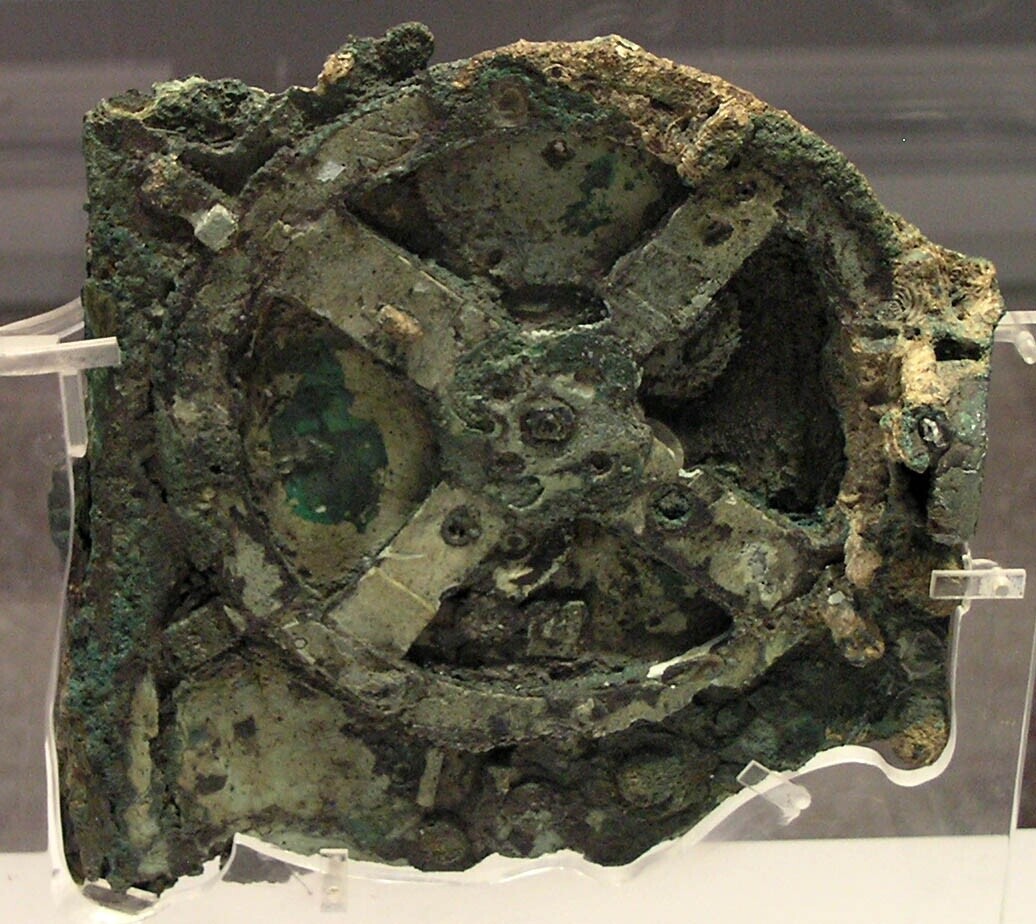
This mechanism found in the Ancient Greece ruins is considered the oldest example of an analogue computer. It was used to predict astronomical events like eclipses, as well as tracking stars and phenomena over decades. It took millennia to create something like that again.
