The Original Broadcast of ‘A Charlie Brown Christmas’ Was a Blatant Coca-Cola Ad
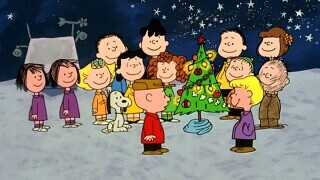
A Charlie Brown Christmas became an instant holiday classic following its premiere broadcast 60 years ago, thanks to its hashtag-relatable messages about seasonal depression, unrealistic wish lists, and Jesus. (That last one was actually pretty controversial at the time, but we’re getting ahead of ourselves.) Considering how much the Peanuts lament the commercialization of Christmas, however, they’d probably be pretty dismayed to see that their own special was originally lousy with Coca-Cola ads. In fact, commercialization is the only reason it exists in the first place.
When producer Lee Mendelson initially hooked up with Peanuts writer Charles M. Schulz, he just wanted to make a documentary about the hot new comic strip, with just a few minutes of animation from Bill Melendez to spice things up. After Mendelson failed to sell any of the networks on his documentary, Coca-Cola’s advertising agency contacted him with the news that the soda giant was looking for Christmas specials to sponsor and suggested he whip up one of those real quick. That’s no exaggeration: The team had only six months until the December 9, 1965 broadcast date and finished with just 10 days to spare. At least the leftovers from the Thanksgiving dinner they didn’t get to have were probably still good.
That first broadcast looked very different from the one you probably know, though. Not content with the usual strategic placement of a few bottles of Coke, the special originally began by literally flinging a child into a Coca-Cola billboard.
At the end, after Charlie and the gang finish their heartwarming rendition of “Hark! The Herald Angels Sing,” onscreen text wishes the viewer a “Merry Christmas from the people who bottle Coca-Cola,” though they probably didn’t actually get much say in the process.
No one seems to have thought anything of ideological irony at the time, but they didn’t have long to contemplate it. The next year, Dolly Madison snack cakes became the official sponsor of Peanuts, and they demanded the removal of the Coca-Cola billboard in A Charlie Brown Christmas and equal billing in the end credits. Eventually, those ads were removed, too, restoring the focus on the true meaning of Christmas: unhinged dance moves.
