Samantha Bee Was Warned Not to ‘Cause Trouble’ Amid Billion Dollar Transactions
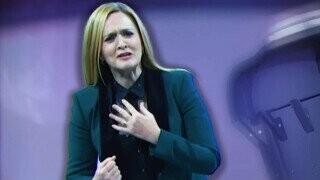
Samantha Bee wasn’t the least bit surprised by what happened to Stephen Colbert and The Late Show. She knows exactly what it’s like to get comedy pushback from corporate muckety-mucks who are trying to protect a big deal.
Bee hosted Full Frontal, which aired on TBS, which was purchased by Time Warner in the 1990s, which was bought by AT&T in 2016, which divested WarnerMedia in 2022 so it could merge with Discovery so that… Well, you get the idea. All of the mergers — as well as the deals that didn’t go through — were “a constant source of conversation,” Bee told Tom Papa this week on his Breaking Bread podcast. “It came up all the time.”
So Bee was asked to back away from certain topics? “One hundred percent,” she said. “When a huge corporate merger is happening, nobody wants to cause trouble. Business trumps everything.”
Don't Miss
Bee’s take on comedy’s power in the face of business concerns is bleak. “It doesn’t matter what your values are,” she said. “None of that fucking matters when you’re talking about people, millionaires and billionaires, literally making their business transactions. Everything you think that is important is absolutely impotent. It does not matter.”
That’s why Bee believes Colbert’s dismissal was predictable and inevitable. First, CBS’ parent company, Paramount Global, was trying to extract an $8 billion favor from President Trump, whom Colbert regularly took to the woodshed on his show. “When the president of the United States has to give his sign-off on a corporate merger, the thing you can’t do is make jokes about him,” she said. “He’s a thin-skinned idiot, and we know he’s like a pernicious cancer and he cares about that stuff.”
Then factor in The Late Show’s financial losses — whether or not you believe it was losing $40 million a year, “it definitely was hemorrhaging money” — and Paramount’s decision was “such a no-brainer.”
The hardest part of cancelling Late Show, Bee figures, was how the network could spin the news. “Probably the most agonizing decisions they were having were about how do we float this?” she said. “How do we not get a lot of blowback? I’m sure they knew it was happening a long time ago. And the considerations were, how can we position it so that the story can be not as bad as it could be?”
No matter how it was spun, the decision was “awful,” said Bee. “I love Stephen. I consider him to be a friend. I think he’s amazing. I’m shocked, not surprised.”
Bee doesn’t have much hope for the future of late night, and it has more to do with viewers’ changing media habits than politics. “These legacy shows are hemorrhaging money,” she said. “People are just not tuning in.”
“People are literally on their phones all the time, for one thing,” she said, eliminating the need for comedy shows to recap the day’s events. And in her opinion, modern viewers would rather watch “people just absolutely murder each other in a South Korean game show” than someone like Jimmy Kimmel tell jokes about the news.
